


egyptian
Architecture of Pharaonic Egypt with monumental stone or mud-brick construction, formal plans, and characteristic tapering forms.
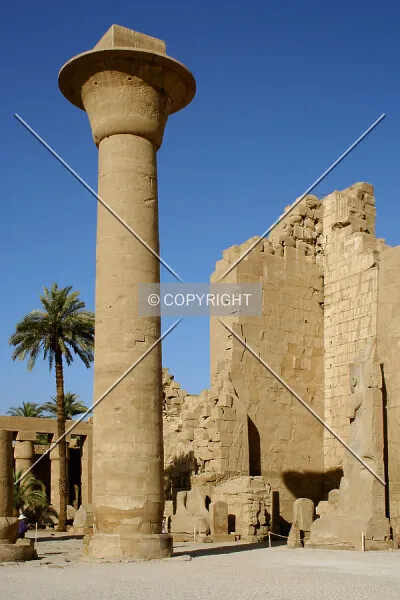
Pictured: Karnak Temple
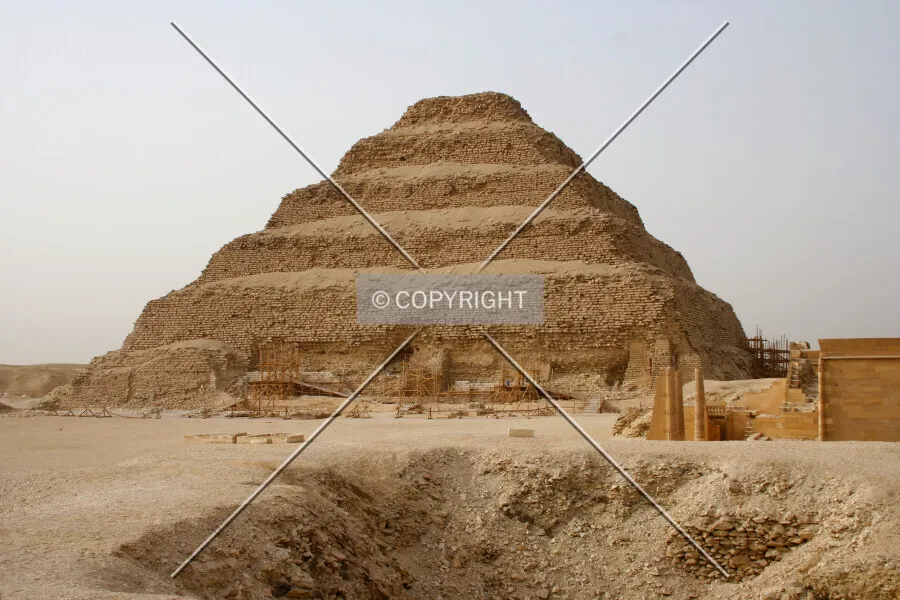
The Egyptian architectural style refers to architecture of Pharaonic Egypt in the Nile Valley, mainly from the last 3 millenniums B.C. The geographic extent includes parts of modern-day Egypt and Sudan. Characteristics include highly formal plans and monumental constructions of stone or mud brick. Surviving structures include many tombs, mortuary complexes, temples, and palaces.
Hallmarks of Egyptian architecture include sloping constructions such as pyramids, mounds, and tapering walls. Cornices and column capitals generally flare out in a 90 degree concave curve. Columns and walls are massive, and spaced closely together. Interior and exterior surfaces are covered with hieroglyphic writing, pictorial relief carvings, and stylized statuary.
The formal composition and massive construction belong to the ancient architectural tradition. Egyptian revival uses selected forms and motifs on much later buildings rather than belonging to that ancient setting.