
steel
An iron-based alloy containing carbon, used for strong metal facade surfaces with protection appropriate to exposure.
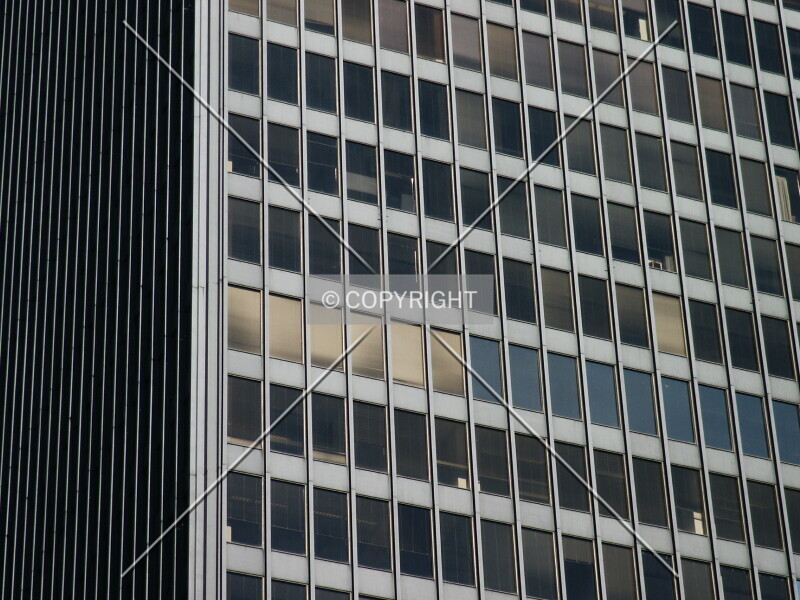
Pictured: 880 Lake Shore Drive
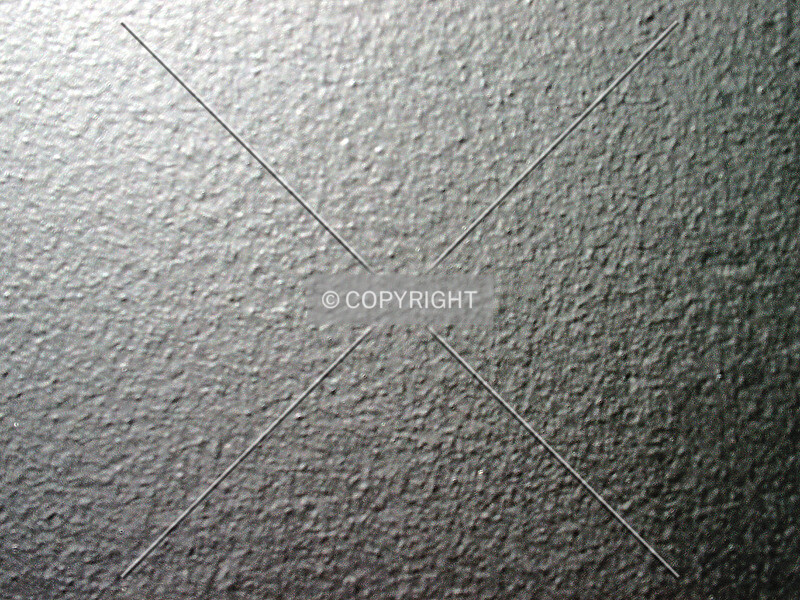
Steel is an alloy of iron, usually containing a percentage of carbon. It is stronger than pure iron and has many industrial and structural applications. It forms a very durable building facade, although it must be coated to prevent rust. Surface texture and cost vary with the steel product, fabrication, and finish.
The steel forms the facade material and can have a protective coating. Appearance depends on the product and surface finish.
Stainless steel and weathering steel have more specific alloy and corrosion characteristics. An ordinary coated steel facade retains the general steel meaning.
steel Photos
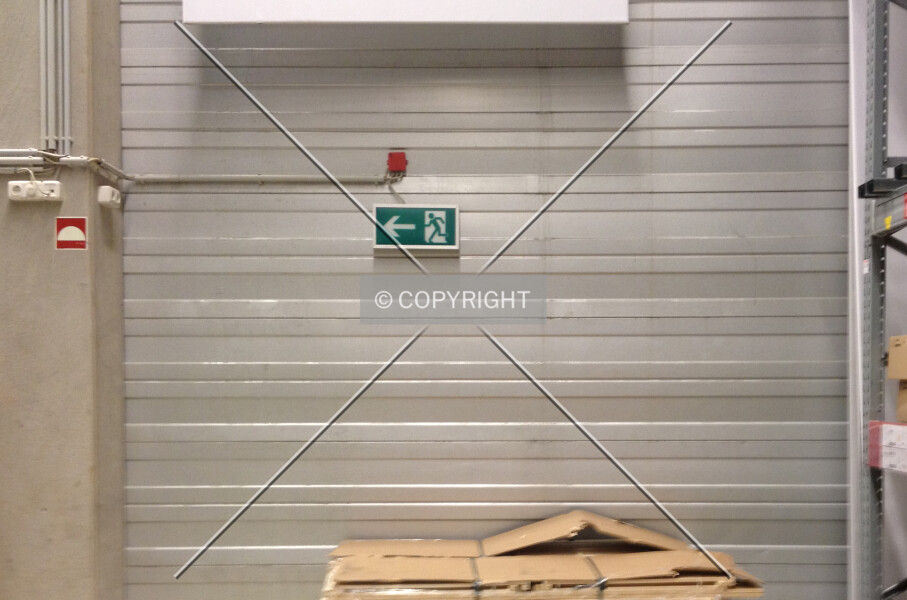
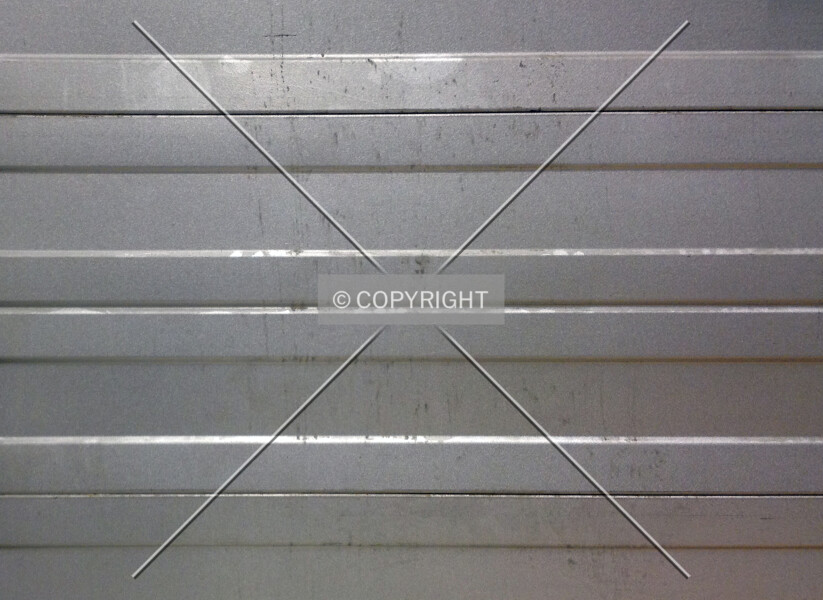
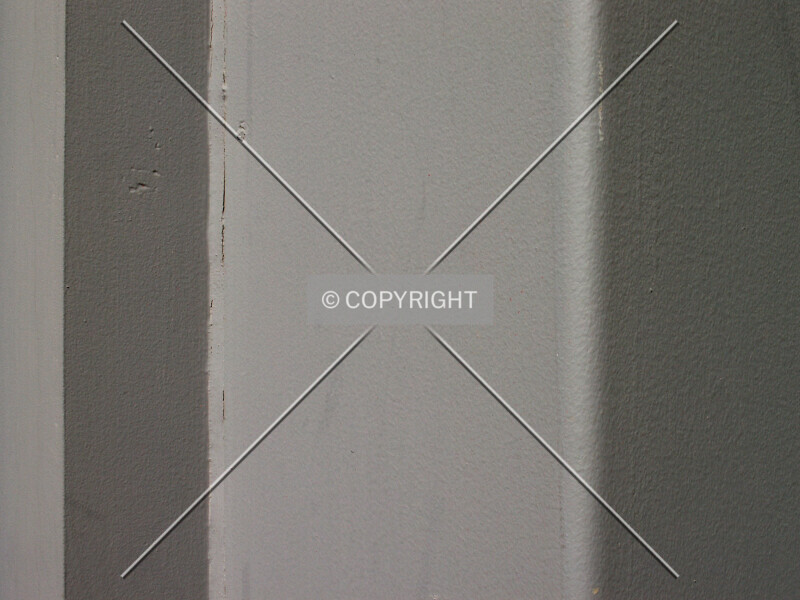
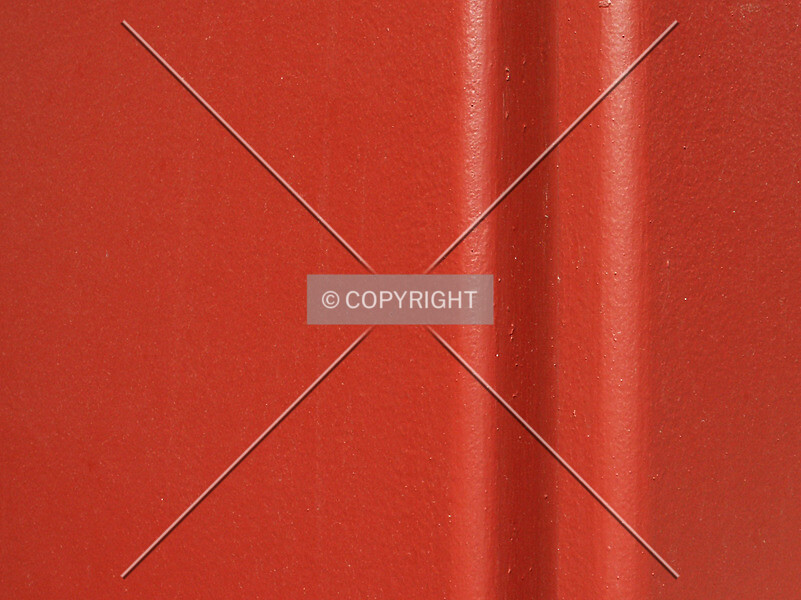
Related definitions
-
aluminum
A lightweight, silvery metal commonly used in facade panels and curtain-wall framing, with good corrosion resistance. -
bronze
A copper-based alloy, usually containing tin, used in sculptures and decorative building facades. -
cast iron
Facade elements cast from molten gray iron or related iron alloys, often molded into decorative architectural forms. -
copper
A reddish-brown chemical element which weathers to brilliant green with age. -
stainless steel
Corrosion-resistant steel containing at least 10.5 percent chromium, used for durable metallic facade surfaces. -
titanium
A lightweight, silvery, corrosion-resistant metallic element used as a building facade material. -
weathering steel
Steel formulated to develop a protective weathered rust layer, commonly giving exposed facades an orange-brown appearance. -
zinc
A silvery gray metal with a slight bluish tint, used in facades for its appearance and corrosion resistance.