
oil heating
A building heating system that burns oil products on the site, normally distributing the resulting heat through air ducts.
An oil heating system provides heat to a building by burning petroleum, kerosene, benzene, diesel, or other oil products in an oil burner and distributing it, normally by forcing air through ducts reaching various points in the building. The oil burner works typically by directing pressurized oil through a nozzle and then igniting the spray to produce heat.
The oil burner generates heat for the building. Oil distribution or storage alone does not establish this heating system.
Ducted air is the normal distribution example rather than a mandatory feature. The oil fuel distinguishes the system from coal or natural-gas heating.
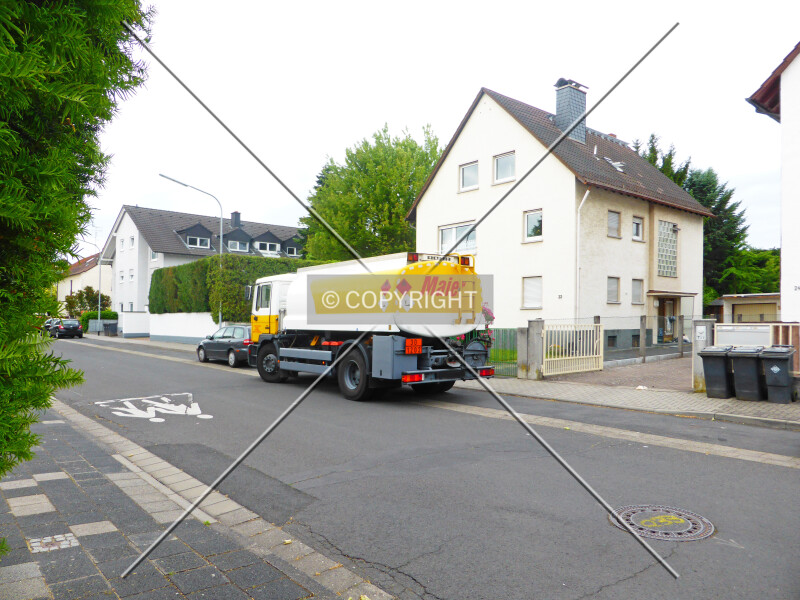
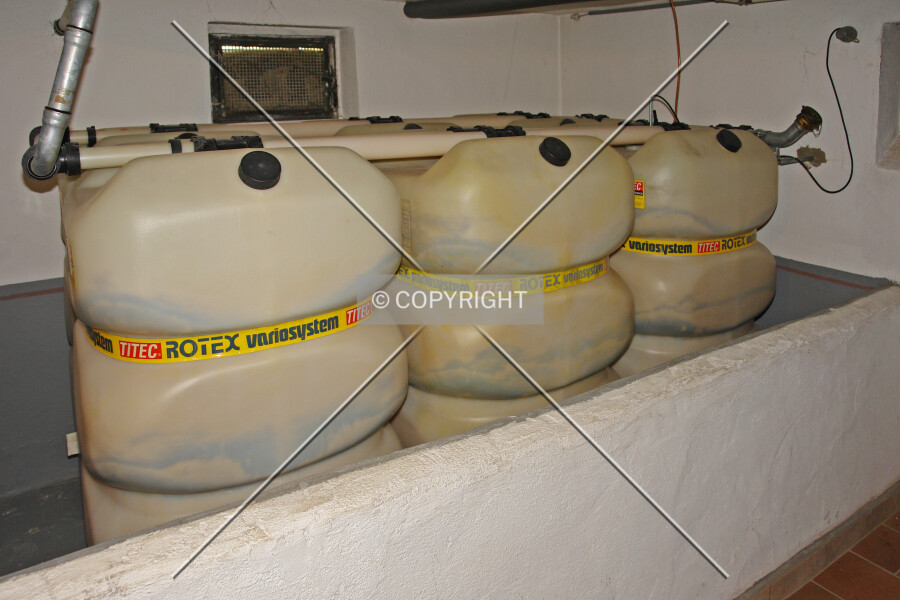
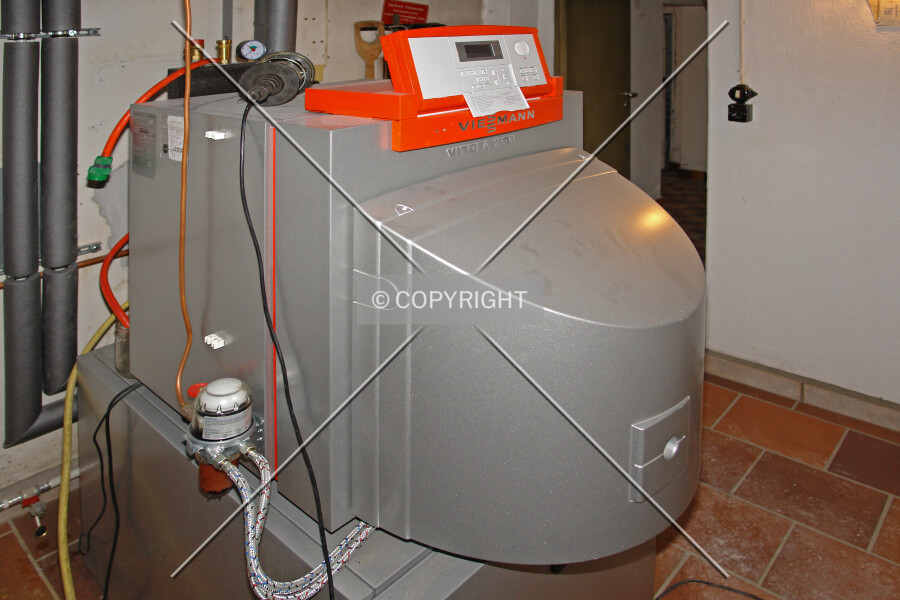
oil heating Photos
Related definitions
-
coal heating
A building heating system that burns coal on the site and distributes the resulting heat, normally through air ducts. -
electric coils in floor
Heating is generated by passing electric current through heating coils embedded in the floors. -
electric convectors
Electric heaters that warm surrounding air and create circulation through the density difference between warm and cool air. -
fireplace
An open hearth where wood is burned to heat the adjoining interior space, distinct from an enclosed wood stove. -
forced air
Room-level or floor-level electric heating with fans beside heated coils, excluding fuel-fired ducted heating. -
gas heating (central)
Heating is generated for the whole building by burning natural gas on the site. -
gas heating (floor-by-floor)
Natural-gas heating with an individual burner serving a room, space, or floor rather than central ducted distribution. -
geothermal heating
Heating is generated by transferring natural heat underneath the building or nearby into the interior. -
heat pump
A heating system mechanically transferring heat from nearby air or water into a building, with geothermal heating listed separately. -
hydronic floor heating
An underfloor heating system circulating boiler-heated water through closely spaced pipes in a closed loop. -
pellet stove
An interior heating system using a stove which burns compact pellets of biomass or compressed wood. -
radiators
Heating devices that transfer heat from circulating water, steam, or another heated substance through a large metal surface. -
remote heat generation
Heat is supplied by an external heating plant, and delivered in the form of a heat conductor such as water. -
solar heating (active)
A building heating system supplied by electricity generated from solar radiation by photovoltaic panels on the site. -
wood oven
A building heating system burning wood in enclosed chambers, either centrally or in separate floors or units.