
metro station
A site where passengers regularly board and alight from subways, light rail, and rapid transit in an urban network.
A metro station is a facility adjoining any rapid transit railroad line, where passengers get on and off of trains. It includes stations on subway, light rail, elevated, and similar urban transit networks, but does not include train stations on regional, or intercity passenger railroads. It also does not include stations on tram lines which overlay streets; in the case of light rail, the rails must have a designated right of way, with other vehicle traffic overlapping only at crossing points.
The railway service and its right of way distinguish the station. A train station serves regional or intercity passenger trains, while a tram station serves streetcars. For the light-rail facilities described here, a road crossing does not turn a designated rail right of way into a track shared continuously with road traffic.
The station may be underground, elevated, or at ground level. Platform layout and construction method do not change the transport service it accommodates. A shared interchange can contain facilities for both urban rapid transit and regional or intercity trains.
metro station Photos
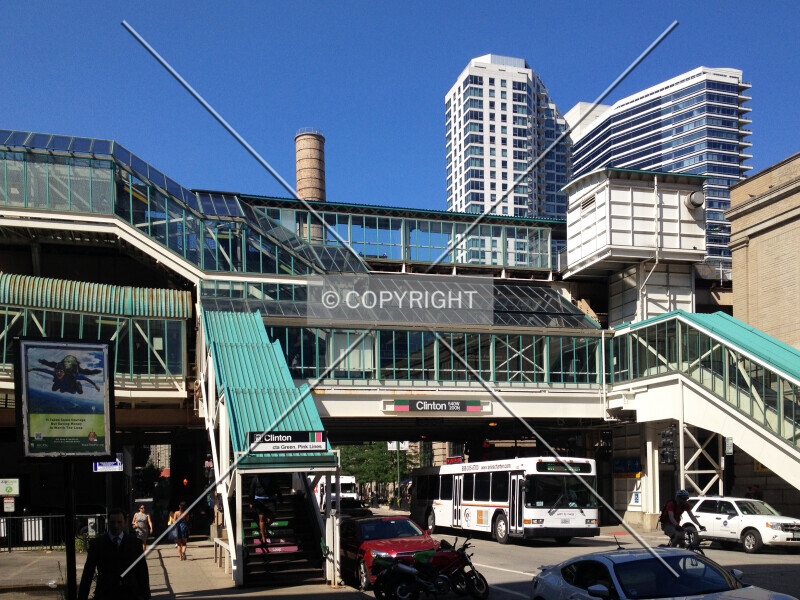
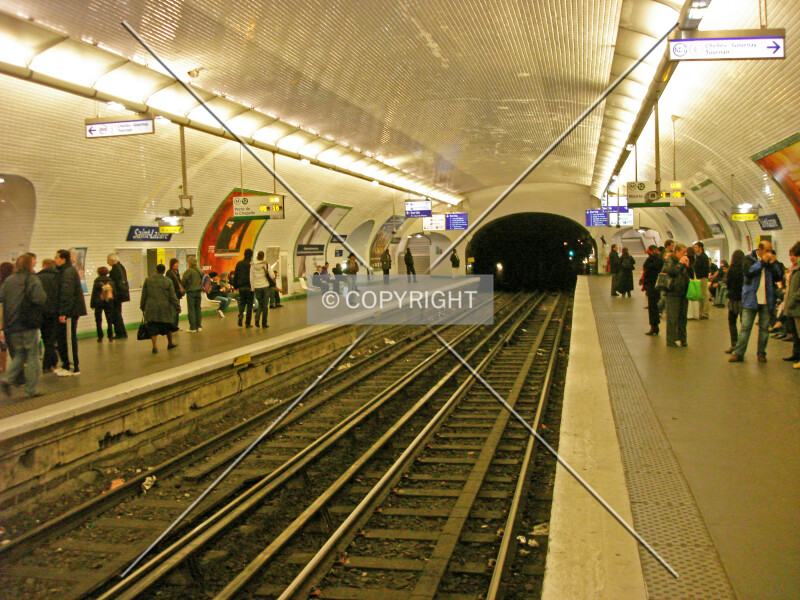
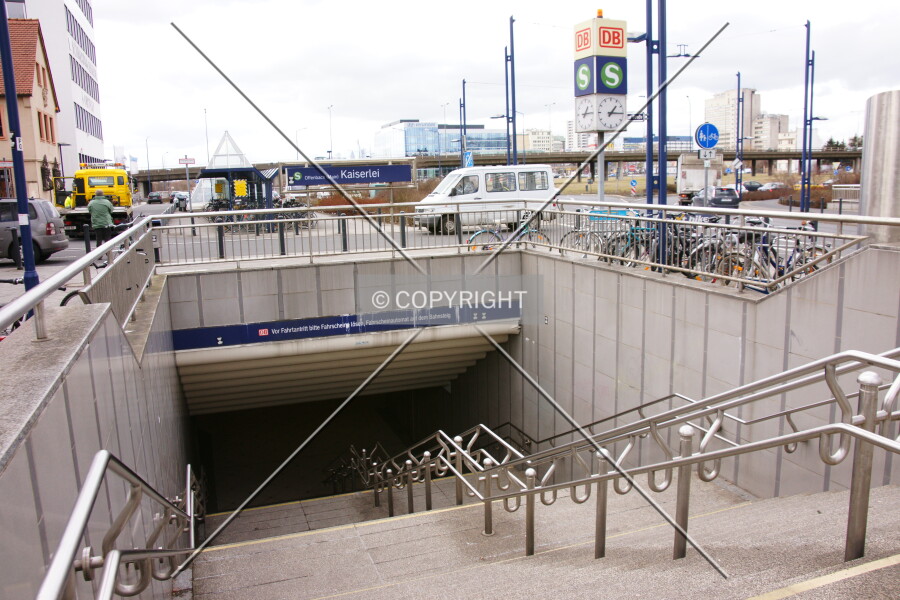
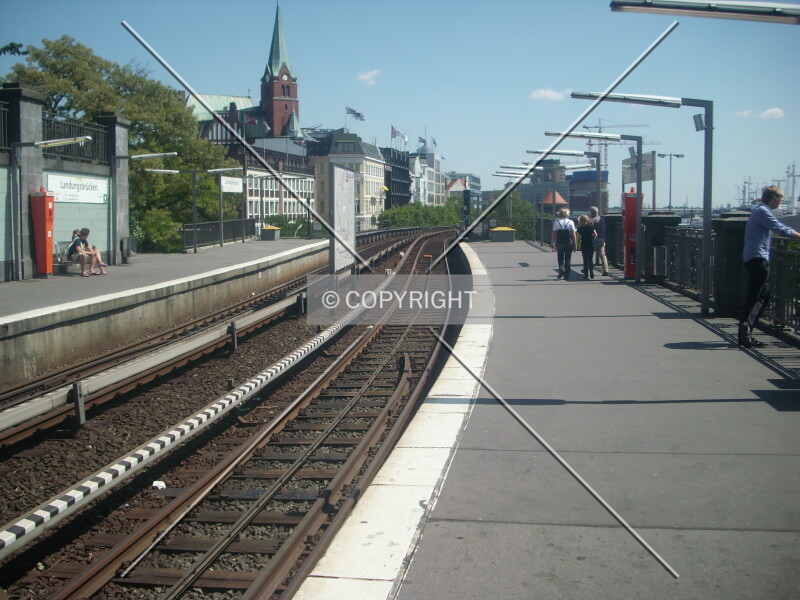
Related definitions
-
airport cargo terminal
An airport facility for receiving cargo aircraft and transferring freight to or from airplanes. -
airport passenger terminal
An airport building for passenger ticketing, baggage handling, waiting, and access to aircraft gates. -
boat ramp
A shoreline transfer site where boats or amphibious vehicles can move smoothly between land and navigable water. -
bus station
A designated place for bus passengers to board or leave buses, including terminals, stops, and waiting shelters. -
cargo port terminal
A waterside terminal for transferring cargo between ships and land for onward transport or storage. -
container port terminal
A facility for loading and unloading large cargo containers carried by ships. -
container rail terminal
A facility for loading and unloading large containers carried on railroad networks. -
ferry terminal
A station for scheduled ferries carrying passengers, cargo, or vehicles across a body of water. -
fishingport terminal
A landside terminal where fishing products are unloaded from ships, often with storage for onward distribution. -
funicular station
A site where passengers board and alight from inclined railcars that are pulled uphill and downhill by cables. -
heliport
A site with regular helicopter traffic, designated for boarding, takeoffs, and landings. -
logistics center
Building space for intermediate storage and distribution of freight and commodities between source and destination. -
mail distribution center
A place for collection and distribution of mail between the sender and receiver. -
monorail station
A passenger station with platforms for single-rail trains, from short shuttle services to long-distance routes. -
package station
An automated self-service facility for sending and receiving packages through a postal or private delivery network. -
parcel distribution center
A place for collection and distribution of shipped packages between the sender and receiver. -
passenger port terminal
A shore-based or floating terminal where passengers board or leave ships, excluding ferry terminals. -
riverport terminal
A station or loading terminal that handles ships and their passenger or cargo traffic on a river. -
spaceport terminal
A launch or landing site for space flights, including crewed spacecraft, orbital satellites, and robotic spacecraft. -
suspension cableway station
A site where passengers regularly board and alight from ski lifts or any suspended cable cars. -
train station
A site where passengers regularly board and alight from regional or intercity trains. -
tram station
A platform, structure, or place where passengers can board and alight from streetcars. -
truck freight terminal
A freight-network transfer structure where trucks load or unload cargo exchanged with trucks or other transport modes.