
education
Spaces for classroom teaching or designated academic study, excluding separate research, library, administrative, and dormitory uses.
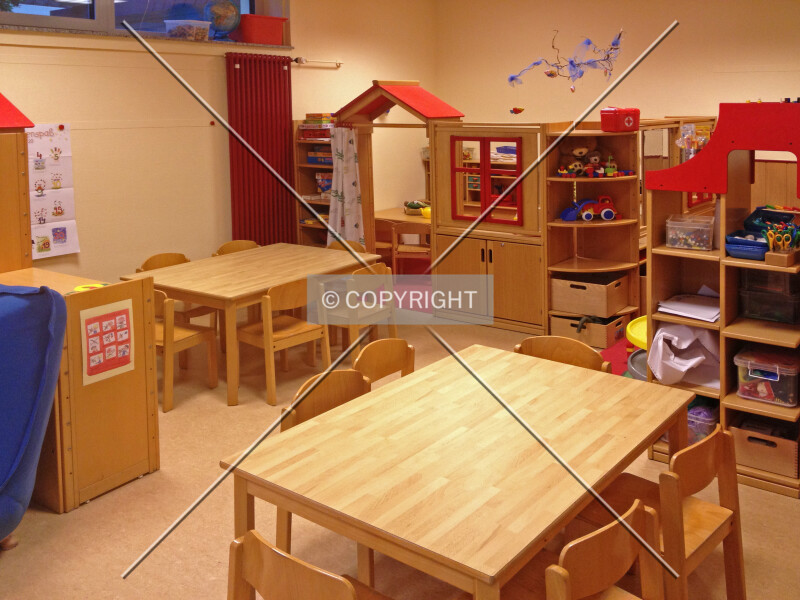
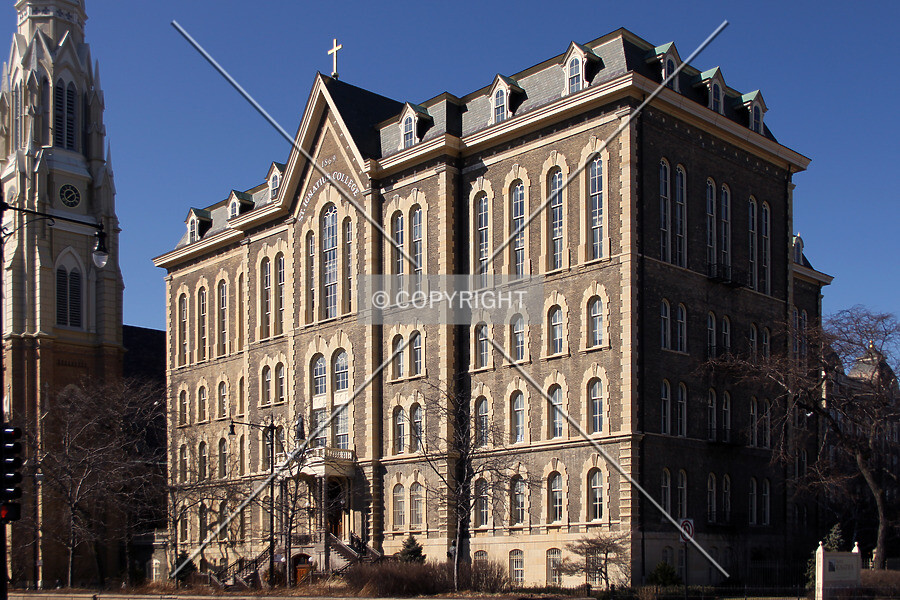
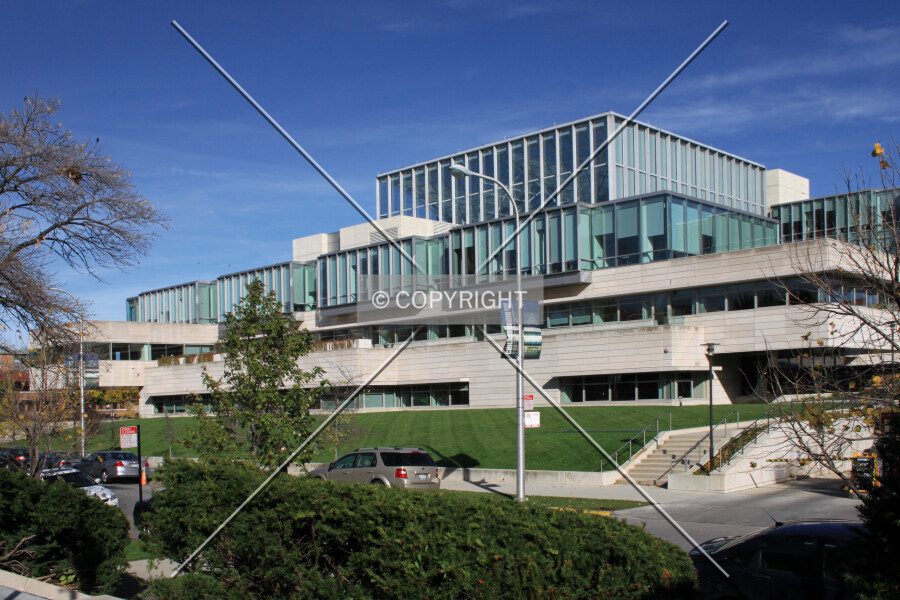
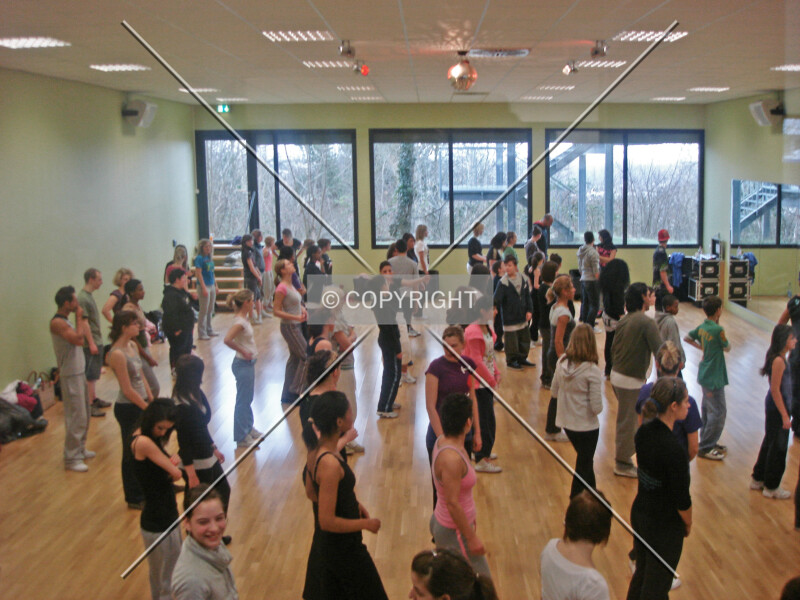
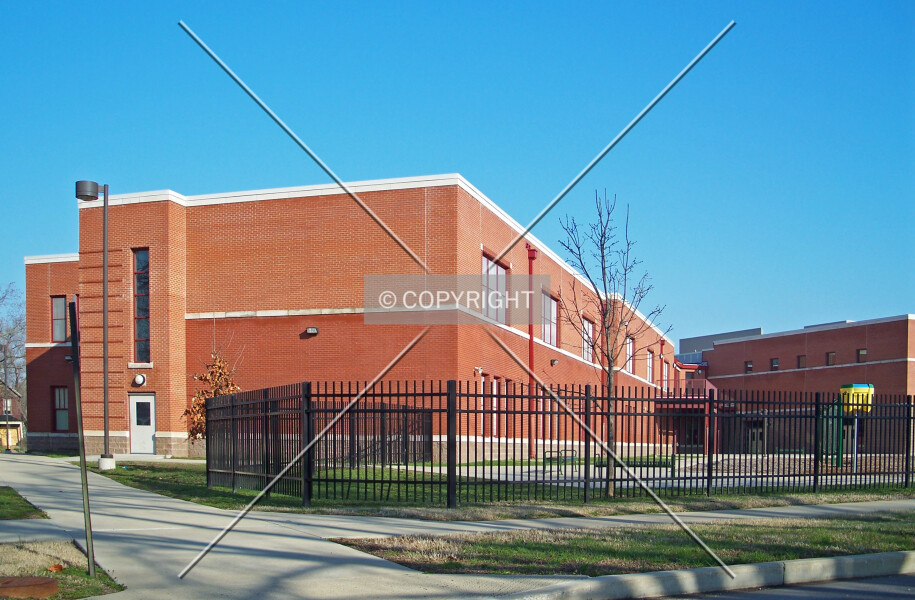
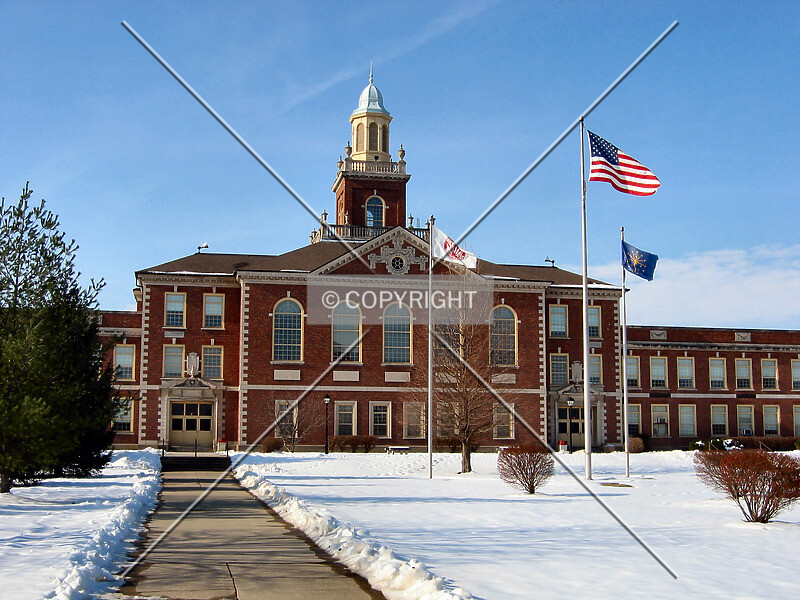
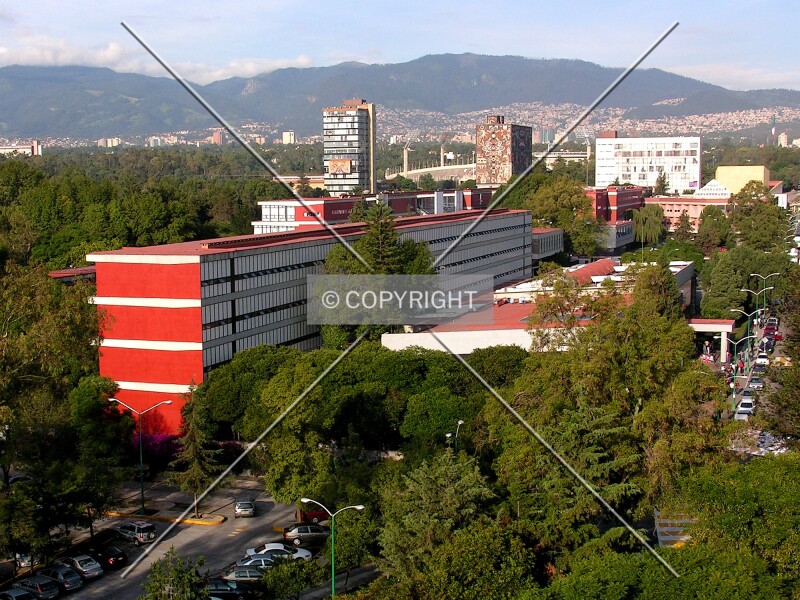
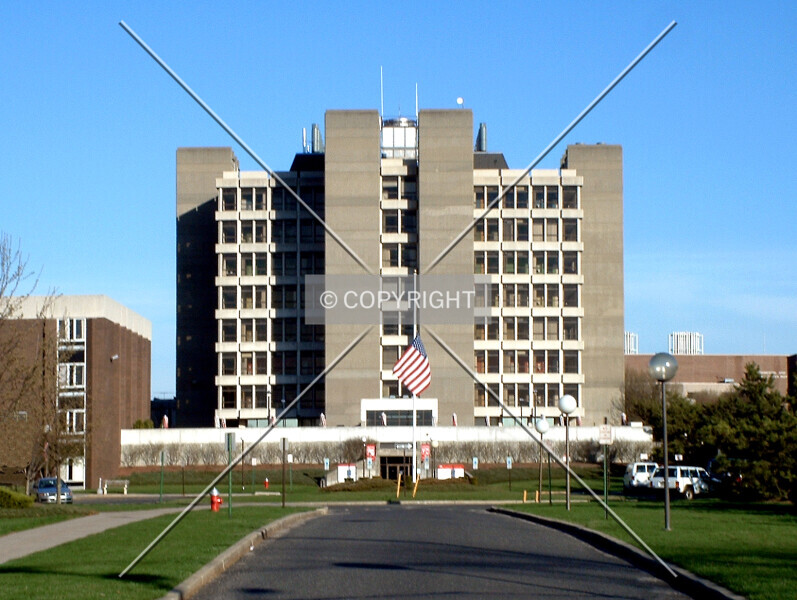
Educational facilities are places where students learn from teachers in classrooms, or places designated for academic study. These include schools and training centers, but do not include libraries, museums, research facilities, or administrative areas, unless these are subsidiary parts of a classroom facility. Dormitories are not counted as educational buildings.
Classroom instruction and designated academic study establish the educational purpose. The affiliation of a building with a school or university is not enough when its separate function is research, administration, or another expressly excluded use.
Supporting spaces can belong to an educational facility when they are subsidiary to its classroom use. Dormitories remain excluded: housing students is a residential or lodging function, not classroom education.
education Photos
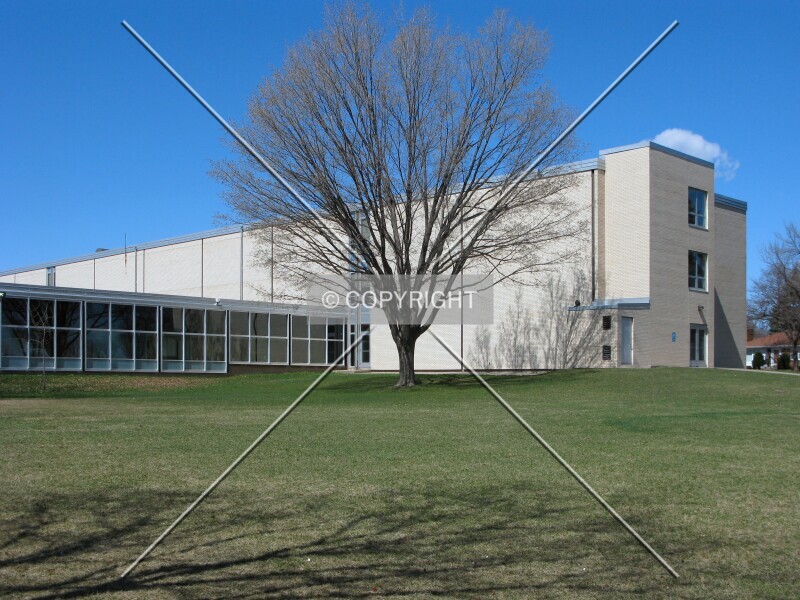
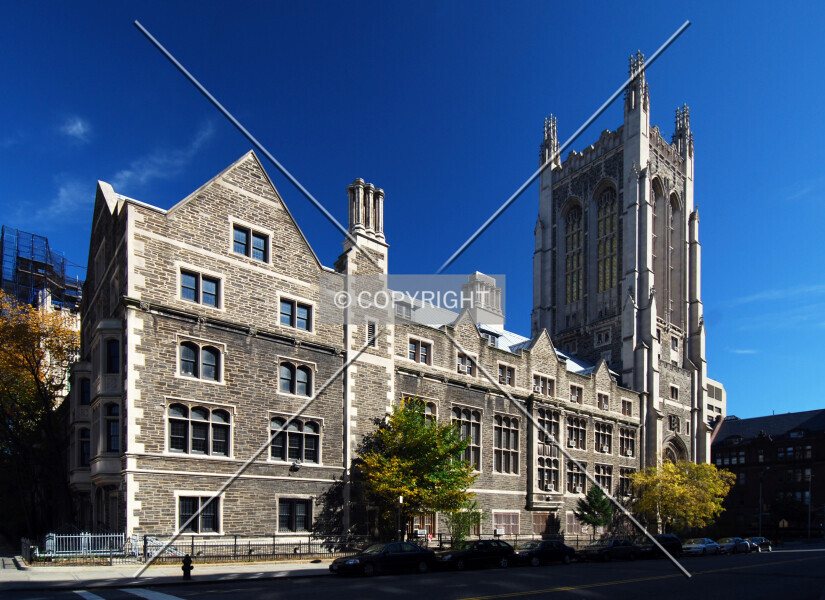
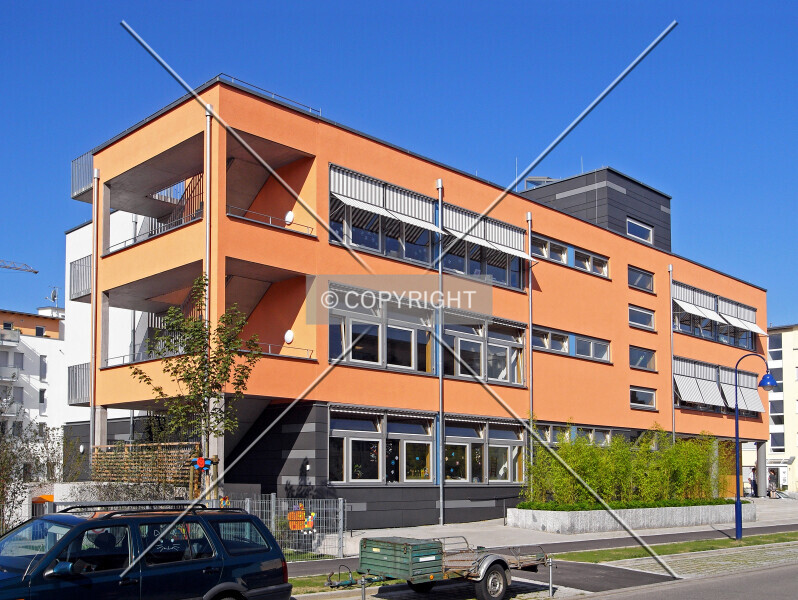
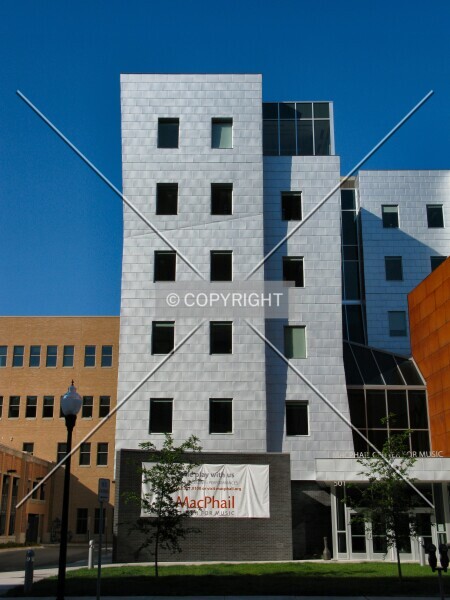
More specific definitions
8 sub-definitions-
adult education
Classroom space for non-degree programs taught to adults for the sake of learning. -
higher education
Classroom space for education at the college level or higher, or any formal adult education. -
intermediate school
Classroom space for students between elementary and college or university level. -
kindergarten
Educational space for children about 5 years old, before enrolling in primary school. -
pre-school
A school-like facility which acculturates very young children before they enter kindergarten. -
primary school
Classroom space for the early phase of schooling, generally ages 5 to 13 between kindergarten and intermediate school. -
training school
Places offering professional or leisure lessons outside degree-oriented academic study. -
tutoring
A place where supplemental education is provided to current or prospective students.
Related definitions
-
agriculture
Spaces which service the harnessing of natural bounty, especially crops and livestock. -
government
Governmental premises for public interaction and receipt of government services, excluding regular administrative offices. -
health
Space used for medical and recuperative care, or for maintenance of well-being. -
industry
Spaces associated with direct production of material goods, including manufacturing, mining, and assembly. -
infrastructure
Structures and spaces which serve basic civil functions as part of extensive built networks. -
leisure
Places used for free-time enjoyment, including cultural attractions and spaces for fun, recreation, or relaxation. -
library
A space housing a large book collection with areas for study, research, or reading, subject to the small institutional exclusions. -
lodging
Guest accommodation with housekeeping and a self-determined stay, including serviced apartments with flexible leasing. -
office
Places for desk-based work where people administer any kind of business activities. -
parking
Space for temporarily leaving automobiles and other roadworthy transport vehicles when they are not in use. -
religion
Spaces dedicated to worship, prayer, or other spiritual activities prescribed by an organized or defined religious tradition. -
research
Spaces for experimental research and scientific and technological development. -
residential
Building space used as a home by people living there on at least a semi-permanent basis. -
retail
Space used for the trading of goods and services between vendors and consumers. -
services
Space used by a business to deliver services outside a customer-facing retail setting. -
social
Areas intended to bring people together for friendly, communal, or charitable purposes. -
sports
Spaces intended for athletic performance, training, practice, exercise, or recreational sport, subject to the amenity exclusions. -
storage
Places where goods are kept while not in use, excluding shipping hubs used only for rapid transfer between route stages. -
symbolic
Objects and places intended to convey meaning or attract visual or auditory attention, including attention to themselves.