
government
Governmental premises for public interaction and receipt of government services, excluding regular administrative offices.
The governmental usage category includes buildings where the public interacts with the government and receives government services. It does not include regular administrative offices.
The public interaction or service-receipt purpose is required by this usage definition. Government ownership alone does not identify that purpose, and the regular administrative offices expressly excluded here retain their own office description.
A building can contain separate areas with different intended uses. The public service premises can be described at that extent without treating every office occupied by the same government as a public-interaction space.
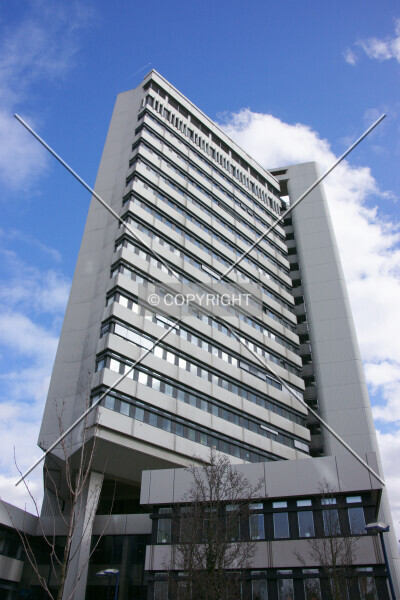
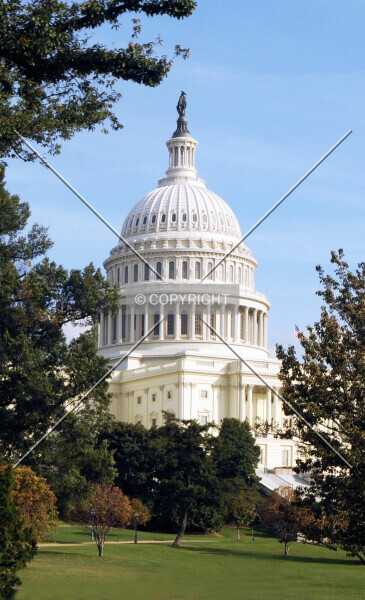
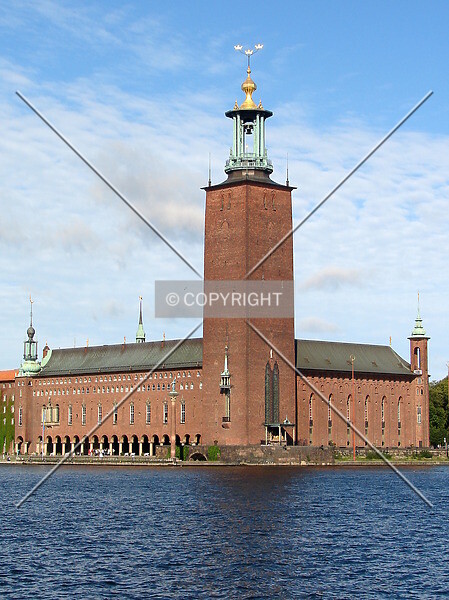
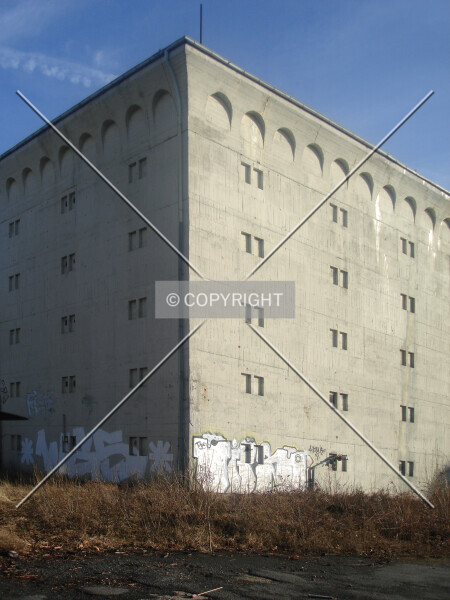
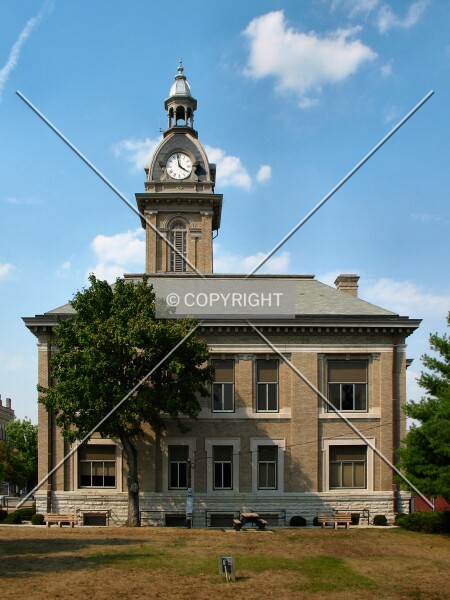
government Photos
More specific definitions
6 sub-definitions-
civil defense
Spaces and structures used for protection of citizenry and maintaining social order. -
diplomacy
Facilities for a country's diplomatic representation abroad or its mission to an international body, with associated services. -
government office
Administrative premises used by government institutions, including ministries, military offices, and service administration. -
judiciary
Governmental court facilities and supporting judicial sites, including confinement before trial and incarceration under sentences. -
legislation
Government buildings used for making laws and for meetings of legislatures, parliaments, or municipal councils. -
military
Places for armed forces under a government to train, exercise, test weapons, and conduct related military activities.
Related definitions
-
agriculture
Spaces which service the harnessing of natural bounty, especially crops and livestock. -
education
Spaces for classroom teaching or designated academic study, excluding separate research, library, administrative, and dormitory uses. -
health
Space used for medical and recuperative care, or for maintenance of well-being. -
industry
Spaces associated with direct production of material goods, including manufacturing, mining, and assembly. -
infrastructure
Structures and spaces which serve basic civil functions as part of extensive built networks. -
leisure
Places used for free-time enjoyment, including cultural attractions and spaces for fun, recreation, or relaxation. -
library
A space housing a large book collection with areas for study, research, or reading, subject to the small institutional exclusions. -
lodging
Guest accommodation with housekeeping and a self-determined stay, including serviced apartments with flexible leasing. -
office
Places for desk-based work where people administer any kind of business activities. -
parking
Space for temporarily leaving automobiles and other roadworthy transport vehicles when they are not in use. -
religion
Spaces dedicated to worship, prayer, or other spiritual activities prescribed by an organized or defined religious tradition. -
research
Spaces for experimental research and scientific and technological development. -
residential
Building space used as a home by people living there on at least a semi-permanent basis. -
retail
Space used for the trading of goods and services between vendors and consumers. -
services
Space used by a business to deliver services outside a customer-facing retail setting. -
social
Areas intended to bring people together for friendly, communal, or charitable purposes. -
sports
Spaces intended for athletic performance, training, practice, exercise, or recreational sport, subject to the amenity exclusions. -
storage
Places where goods are kept while not in use, excluding shipping hubs used only for rapid transfer between route stages. -
symbolic
Objects and places intended to convey meaning or attract visual or auditory attention, including attention to themselves.