
land form
An outdoor site which is built as a distinct object, yet is not regarded as a structure.
Land forms are built objects which are not buildings or structures, and are formed by shaping the land or a particular site into a recognizable object distinct from its surroundings. These sites encompass a variety of built forms, but do not include natural sites or linear entities (such as roads, pipelines, canals, or transmission lines).
Unlike buildings and structures, outdoor constructions may overlap or exist within each other. They may also include buildings and/or structures within their boundaries.
The deliberate shaping or preparation makes the place distinct from a natural site. Buildings or structures can stand within its boundary without being the land form itself.
land form Photos


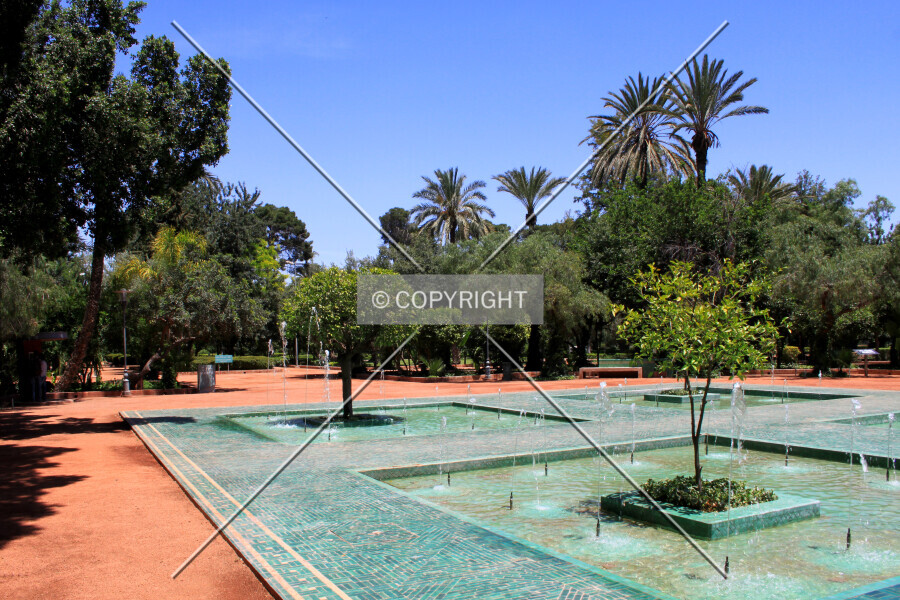
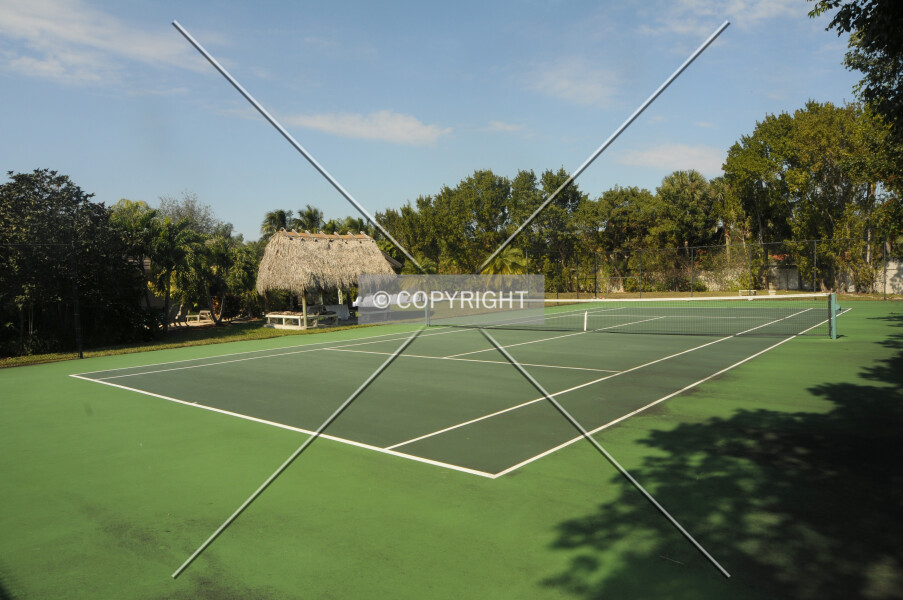
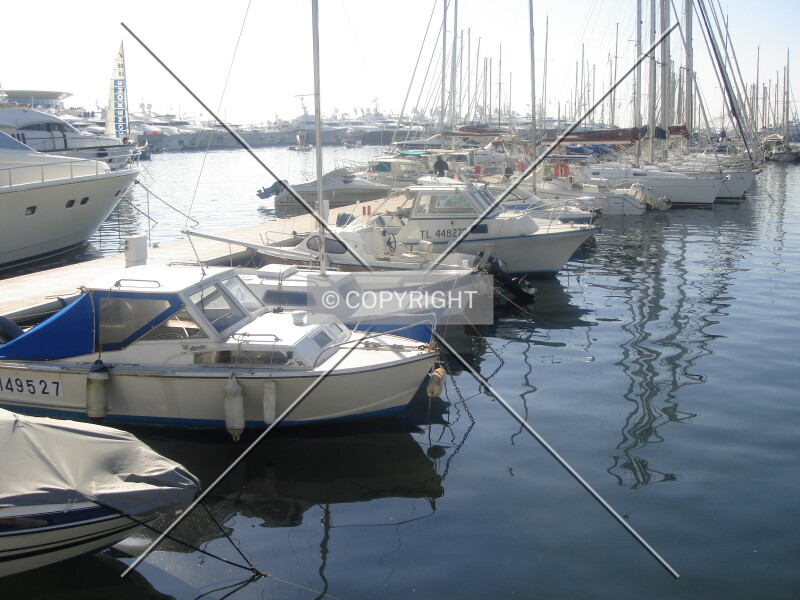

More specific definitions
6 sub-definitions-
cultivated land
A parcel of land prepared or used for controlled growth of selected species for consumption. -
excavated area
A distinct hole or negative space formed by digging, drilling, or cutting into the earth. -
landscaped area
An outdoor site where ornamental plantings or natural features are arranged in a controlled environment. -
paved area
A distinct area of land with an artificial or constructed surface, including stable non-planted natural materials. -
playsite
A distinct outdoor area constructed for a recreational purpose with one or many minor supporting structures. -
water form
A body of water or bounded area within water deliberately formed or demarcated through construction.
Related definitions
-
building
A structure primarily intended to shelter occupants, usually enclosed but including related open forms. -
module
Any part of a structure which is treated separately in order to assign specific data or object relations to it. -
structure
A constructed object other than a regular building, generally not formed primarily as a sheltering enclosure.