
definition
strict definition
rail traffic
A site or structure used as a route for trains, subways, or other form of rail transportation.
A rail traffic corridor is a passage or right-of-way holding active railroad tracks for through traffic. It does not normally include rail stations, even though part of the structure may shelter or house train tracks.
The railroad tracks must be active and serve through traffic. A site used only to store out-of-service cars has a depot role.
A station can contain tracks while primarily serving passengers. Its sheltering of those tracks does not normally establish rail-corridor use.
rail traffic Photos
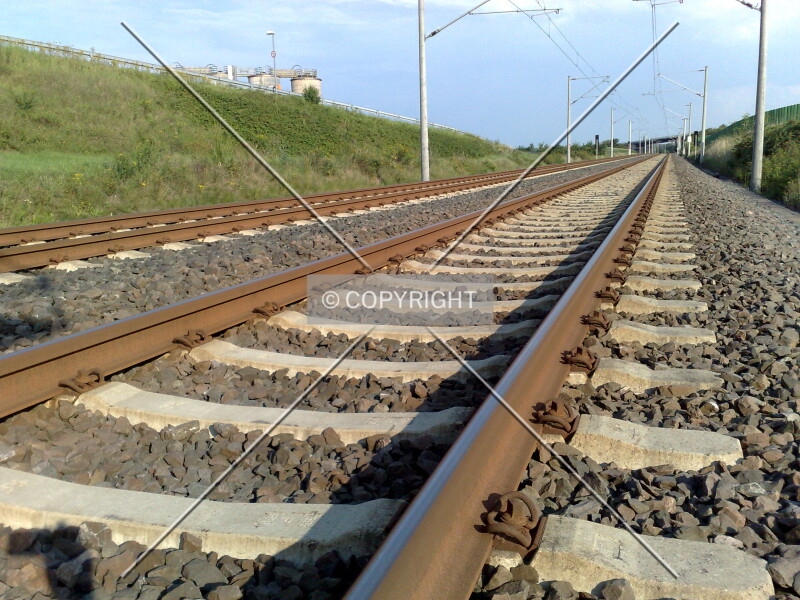
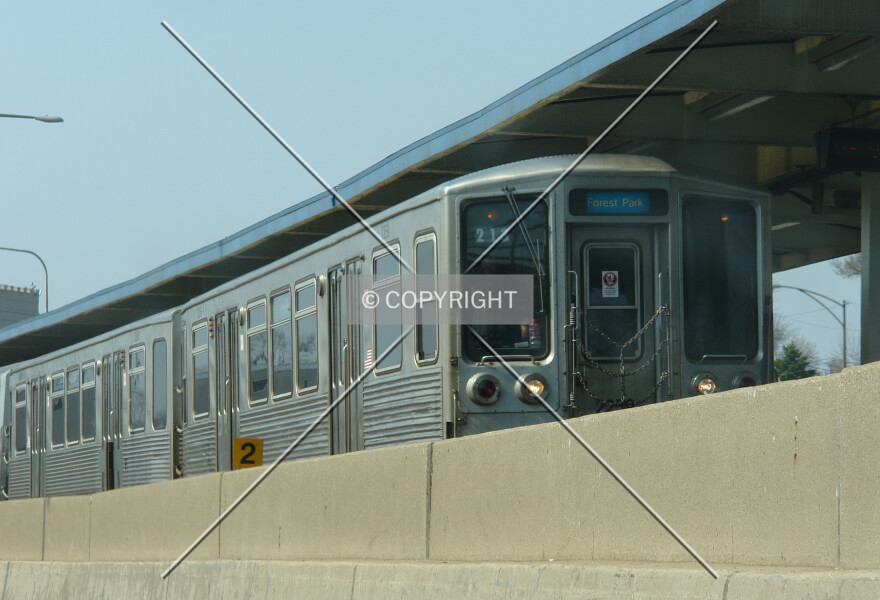
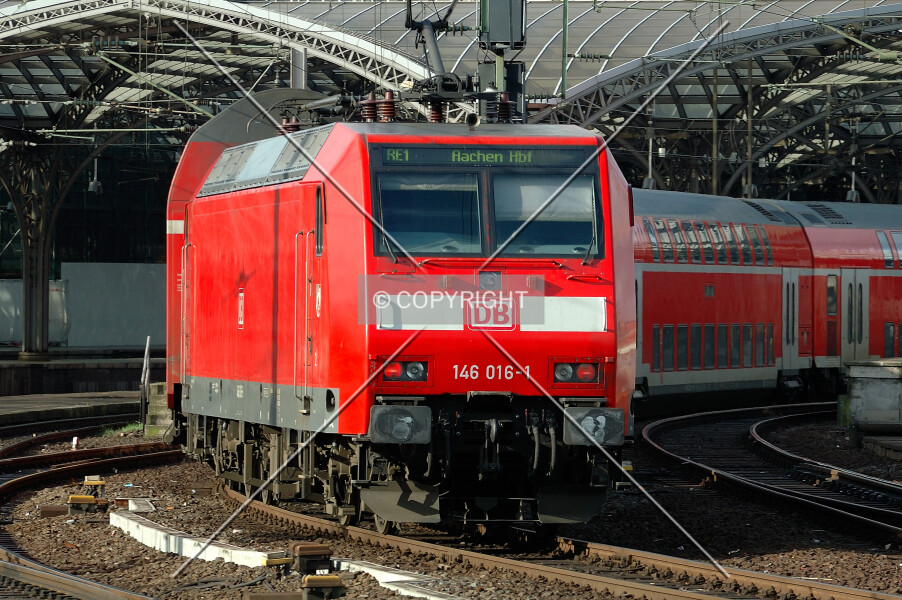
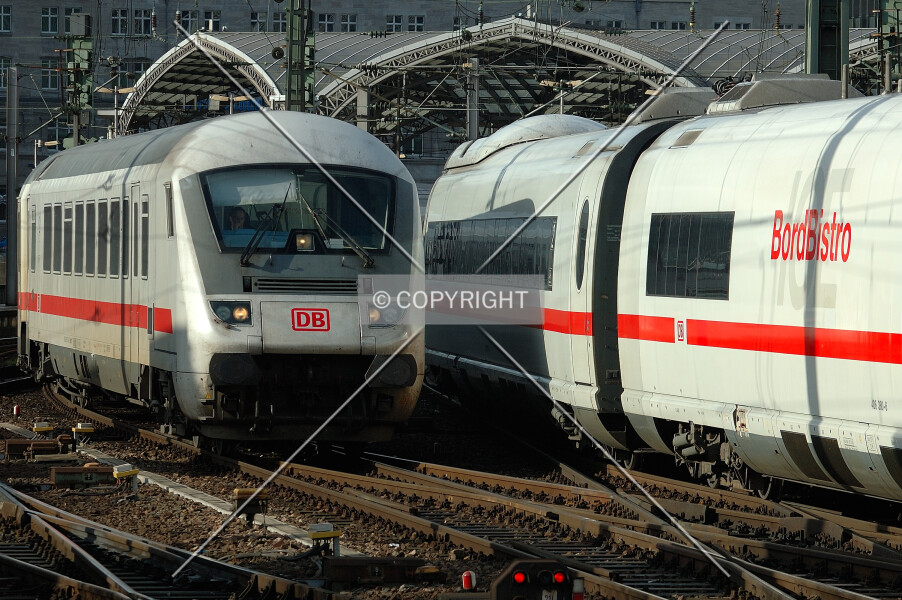
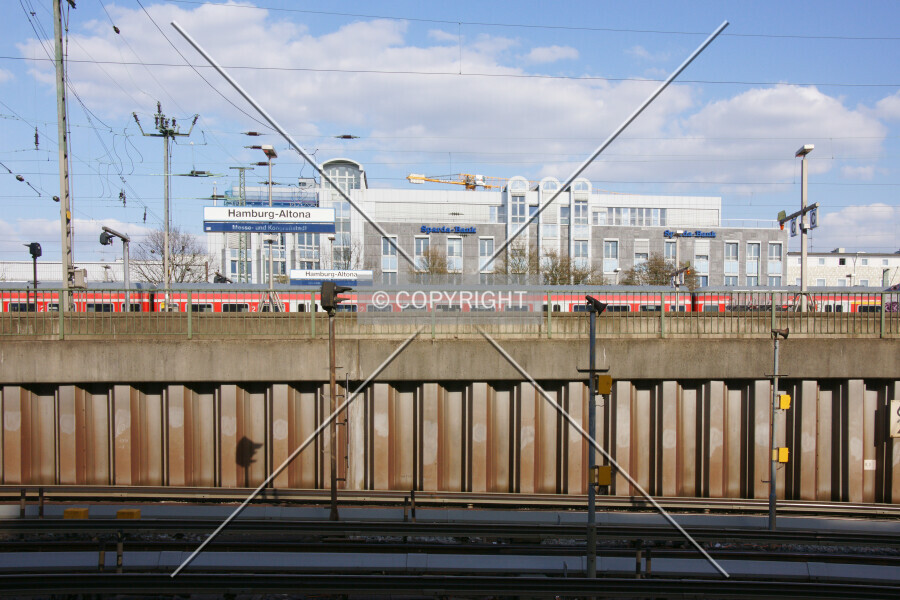
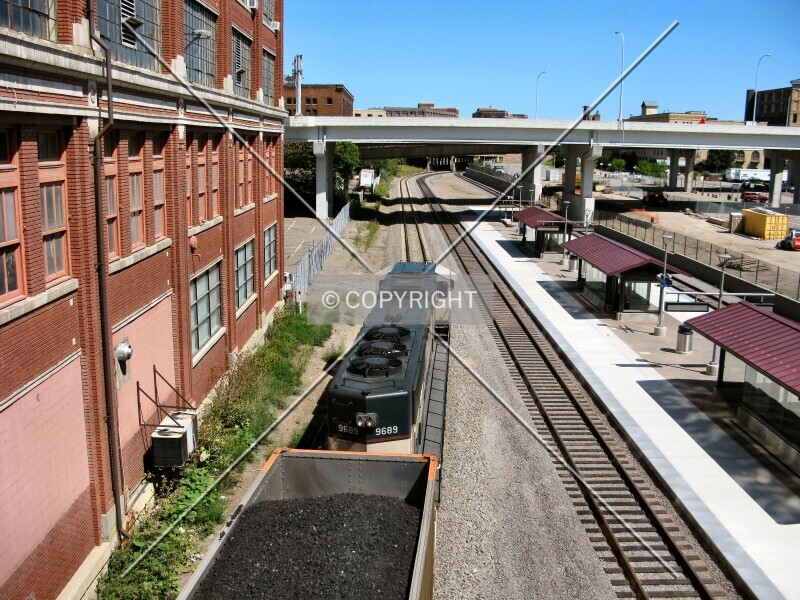
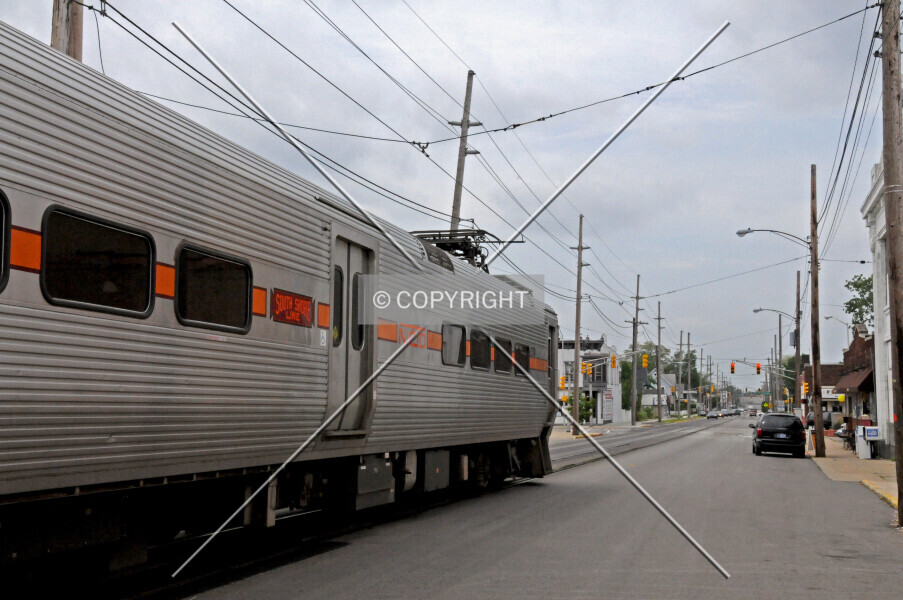
Related definitions
-
aircraft traffic
A runway, taxiway, or identifiable infrastructure carrying a flight path for airplanes or other flying vehicles. -
bicycle traffic
A structure or right-of-way designated for travel by non-motorized bicycles, such as a road, bridge, or tunnel. -
cablecar traffic
A corridor or structure carrying passenger or freight cabs on elevated moving cables, excluding stations and ground-level cable railways. -
foot traffic
A structure or right-of-way designated for pedestrian travel along a route, such as a bridge or tunnel. -
guided busway
A track-guided pathway for rubber-tired buses, which may have drivers or operate automatically. -
horse traffic
A pathway or place used by horses moving with or without riders, generally without carriages. -
hovercraft traffic
A place or right-of-way designated for hovercraft travel over land, water, or ice. -
maglev traffic
A passage or right-of-way for trains guided along a pathway and supported above it by magnetic levitation. -
monorail traffic
A passage or right-of-way for single-rail trains, entirely separated from the street grid. -
ship traffic
A site or structure that materially supports boats or ships traveling between places, including raising, guiding, or carrying them. -
tram traffic
A passage or right-of-way carrying active tram or streetcar tracks, normally excluding tram stations. -
vehicle traffic
A site, corridor, or structure used as a route for cars and other roadway motor vehicles. -
wildlife conduit
A passageway created or designated for wildlife movement, usually across barriers to maintain habitat continuity.