
definition
strict definition
persons
Statistics on the number of human beings involved with any structure or object.
Quantities of persons are statistics concerning the number of human beings associated with a structure or other object in some defined capacity. These quantities can be taken as averages, as snapshots at key points in time, as historical accumulations, or other such statistics.
The relationship to the place and the time basis define the statistic. A resident count, an attendance figure, and a passenger total concern different populations or movements.
An average over a period is distinct from a snapshot or a historical accumulation. One person can make repeated visits, so the number of visits need not equal the number of distinct individuals.
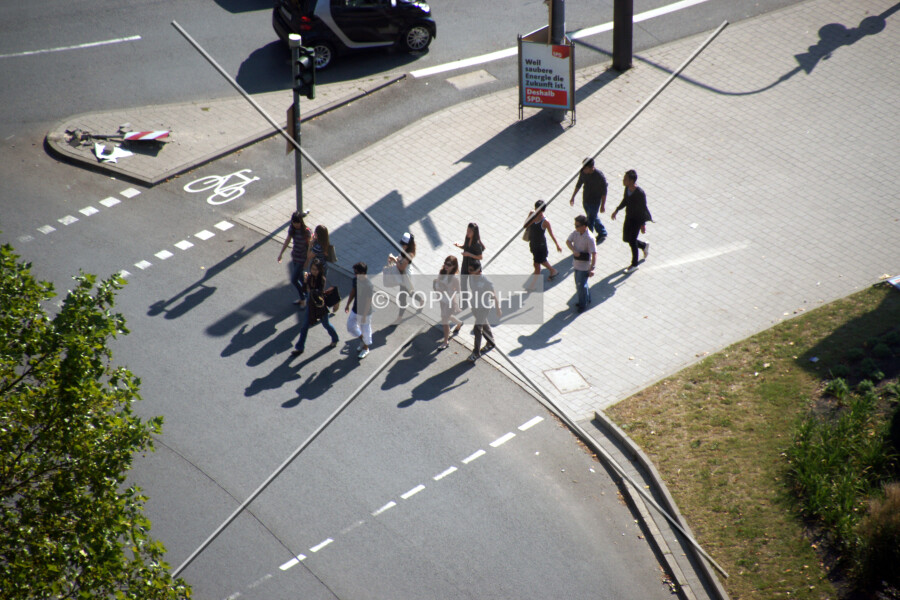
persons Photos
More specific definitions
11 sub-definitions-
building population
The rough capacity of regular users of a building under normal conditions of full occupancy. -
capacity per hour
The number of persons who can be accommodated in one hour, especially in objects like amusement rides. -
construction workers (peak)
The maximum number of workers active at one time during the construction of a built object. -
cumulative visitors
The accumulated number of qualifying visits to a place over its history, usually counting at most one visit per person per day. -
full capacity
The total number of people a structure can hold safely, including standing and seated. -
passenger elevator capacity
The maximum number of persons that one passenger elevator can transport together safely. -
passenger traffic per year
The number of persons entering or passing through a transportation node as passengers in its primary connected routes. -
peak attendance at one time
The highest number of persons who have ever used or visited a place at one time in history. -
population
The number of persons with primary residence in an area at a particular time. -
seated capacity
The maximum number of people that a structure can accommodate within its seating area. -
visitors per year
The total visits to a place in a calendar year, excluding employees, residents, and people regularly staying with them.
Related definitions
-
architectural features
Defined elements of a structure's design which have to do with general layout or appearance. -
construction equipment
Counts of equipment, vehicles, or supporting structures used during construction, with the counting period specified. -
floors
Internal levels of a structure, subject to the stated headroom, ground-level, mezzanine, and mechanical-space rules. -
internal transport systems
Mechanical devices or networks moving people or objects through a structure, including internal conveyance of goods. -
pathways
Distinct routes guiding movement of people, objects, substances, energy, or information. -
points of entry
Points through which people or things enter or leave a place, usually at its perimeter. -
rooms
Counts of internal divisions within a built object, generally bounded by walls but sometimes minimally separated. -
slots
Quantities of designated spaces for parking, storage, or holding specific objects. -
stairs
Constructed sequences of staggered steps for walking between levels, indoors or outdoors, excluding mounted ladders. -
structural components
Quantities of various distinct members in the framework of a building or other object. -
units
Counts of particular modular divisions within a structure, especially spaces intended for separate users. -
windows
Quantities referring to various forms of windows and other apertures for views and light.