
definition
strict definition
animal cultivation
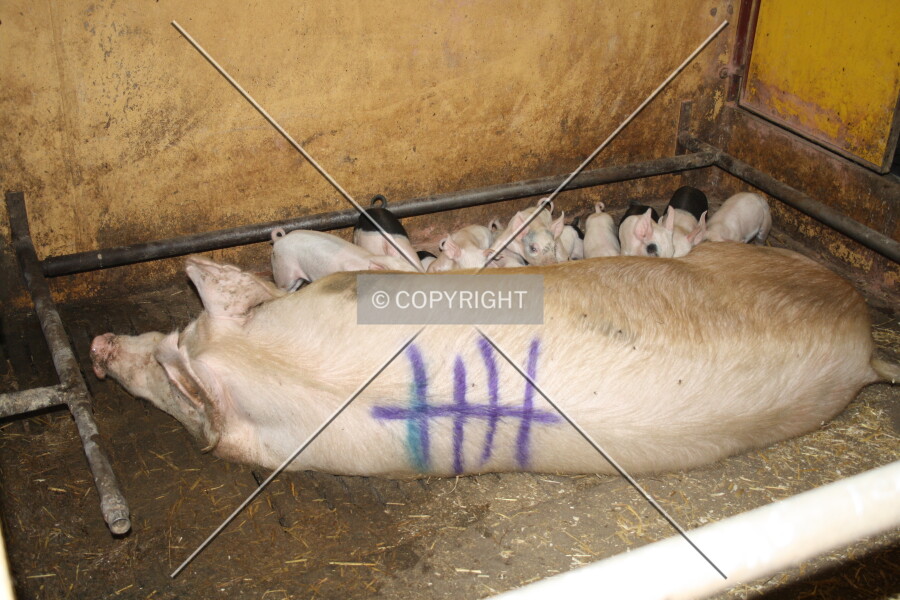
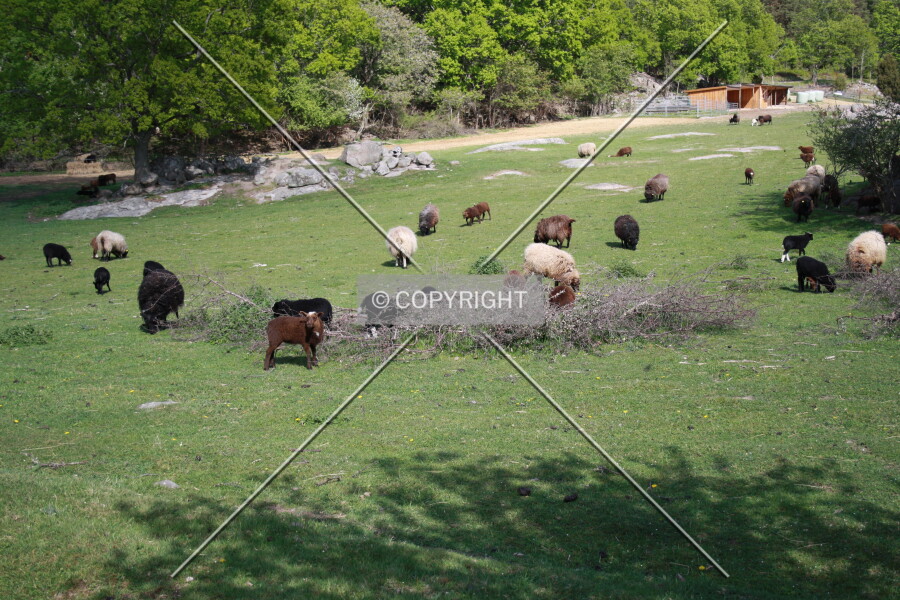
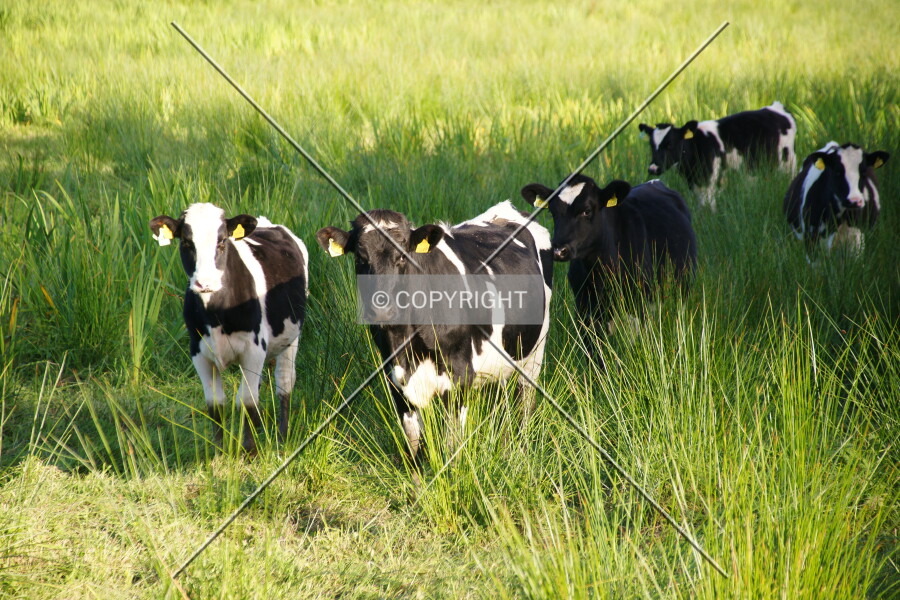
Agricultural spaces raising animals for meat, eggs, dairy, wool, or other products, generally excluding horse land.
Places for animal cultivation include any agricultural spaces where animals are kept and raised for meat, eggs, dairy, wool, or other animal products. This includes farm animal housing, animal pens, and grazing lands. It generally does not include lands for horses.
Animal housing, pens, and grazing land can all serve the agricultural purpose. The use does not require an enclosed building or a single kind of animal product.
The animals are kept and raised for agricultural output. Land for horses is generally excluded, so the presence of grazing animals alone does not establish this use.
animal cultivation Photos
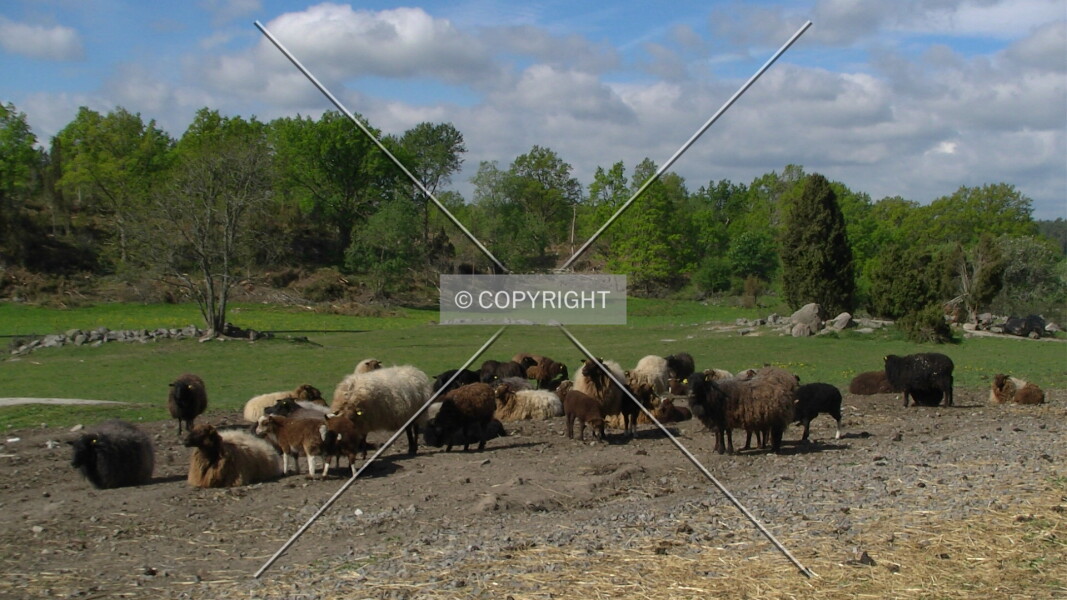
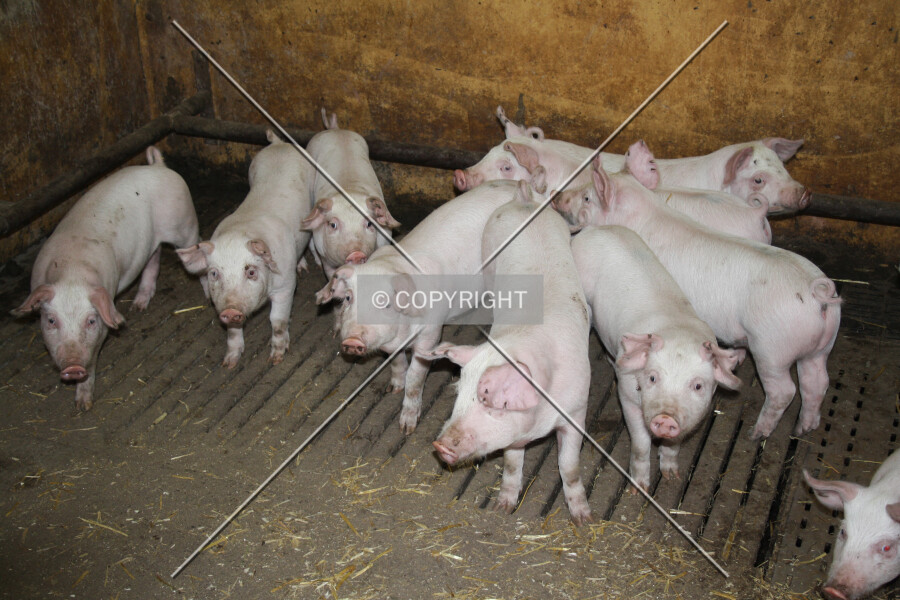
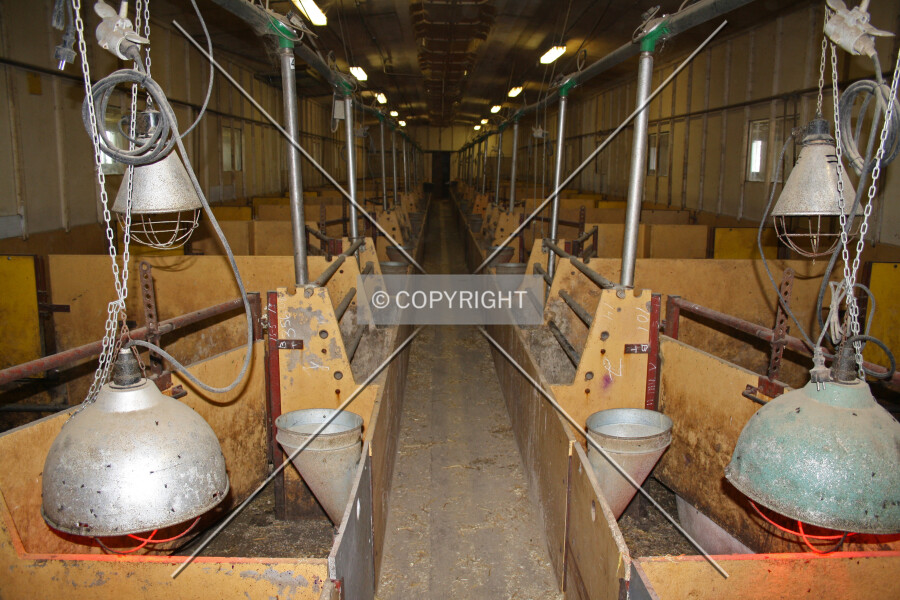
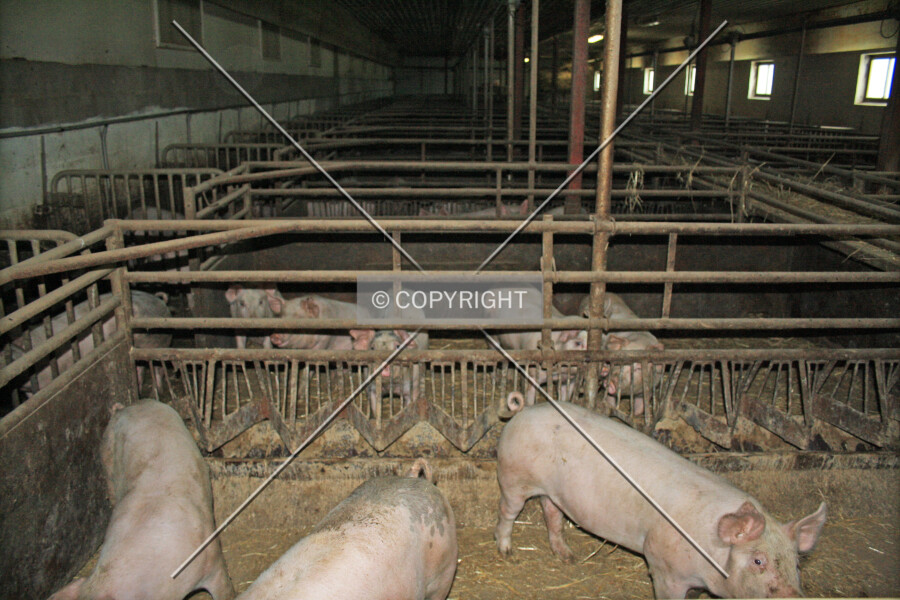


Related definitions
-
drug cultivation
Areas for growing and harvesting plants used for medicinal purposes or as psychoactive drugs. -
fiber cultivation
Areas for growing and harvesting fibrous plants used for clothing and non-edible materials. -
flower cultivation
Areas for growing and harvesting flowers for ornamental and expressive purposes. -
fruit cultivation
Areas growing edible fruit crops, including seedless varieties, in gardens, fields, or orchards. -
grain cultivation
Areas growing grasses and similar grain crops for edible seeds, including the listed pseudocereal crops. -
mushroom cultivation
Places for controlled growth or regular harvesting of edible fungi, including mushrooms and similar forms. -
nut cultivation
Areas growing edible seed kernels classed as nuts in cooking, including tree nuts and peanuts. -
plant nursery
A place growing plants for later removal or transplanting, whether in open ground or a controlled growing space. -
silviculture
Forests managed for wood harvesting, including Christmas trees and ornamental tree plantings but excluding fruit and sap crops. -
spice cultivation
Areas for growing and harvesting plants with high flavor used as edible seasonings. -
vegetable cultivation
Areas growing edible plants classed as vegetables on a culinary basis, including legumes such as beans.