
passenger elevator load (max)
The maximum weight which a passenger elevator can safely carry, expressed in kilograms or pounds.
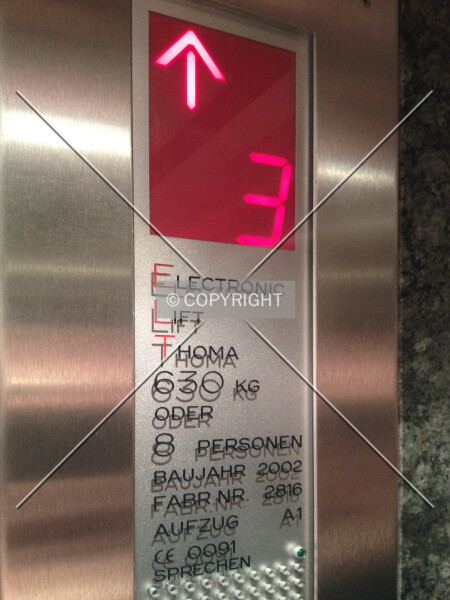
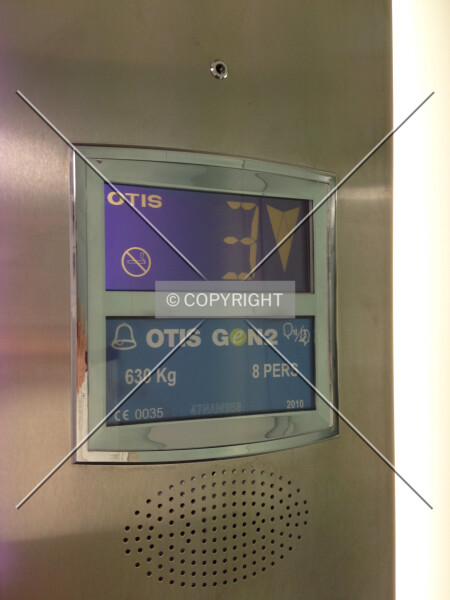
The maximum passenger elevator load is the highest weight which a passenger elevator in a structure or module is allowed to carry, expressed in kilograms or pounds. This is distinct from the passenger elevator capacity, which measures the number of persons an elevator can carry. This figure can be taken from posted allowances, even if those allowances are conservative.
The weight allowance applies to what the elevator carries. A permitted passenger count is a separate capacity measure and does not state the actual combined weight of the people entering.
A conservative posted weight limit remains the permitted load. The value does not require estimating the greater weight at which a mechanism or supporting component might fail.
passenger elevator load (max) Photos

Related definitions
-
building sway (max)
The maximum total length across which a structure is expected to sway in high winds at its extreme point. -
floor bearing capacity
The amount of extra weight (furniture, machinery, etc.) that a measured square unit of a floor can safely support. -
freight elevator load (max)
The maximum weight which a freight elevator can safely carry, expressed in kilograms or pounds. -
maximum vehicle weight
The practical or allowed weight limit for vehicles entering a particular place or facility. -
operational wind resistance
The wind speed at which a structure must cease operations or evacuate occupants. -
seismic resistance
The earthquake moment magnitude a structure is expected to withstand without an interruption of use. -
structural wind resistance
The maximum wind speed a built object can withstand without damage to its structural integrity.