
quartzite
A hard natural facade stone formed by the metamorphism and recrystallization of sandstone under heat and pressure.
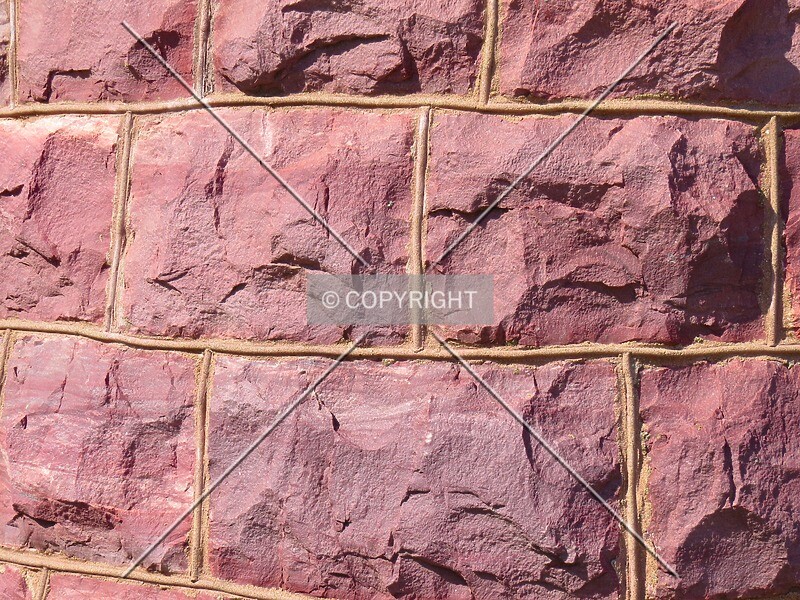
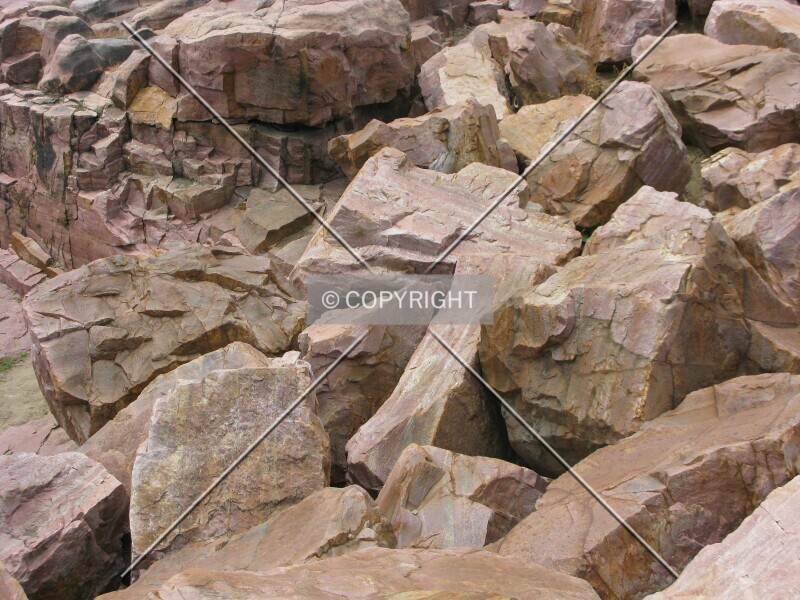
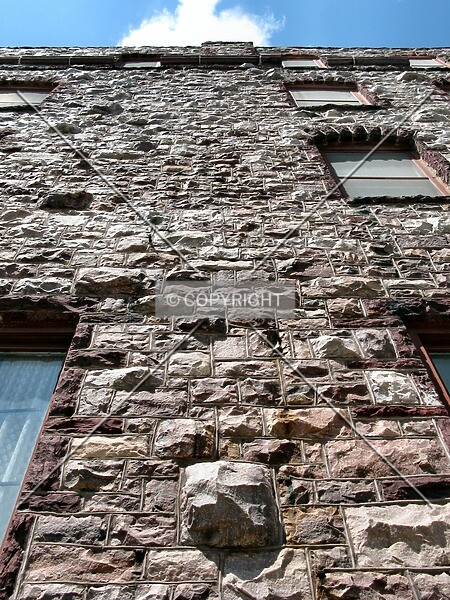
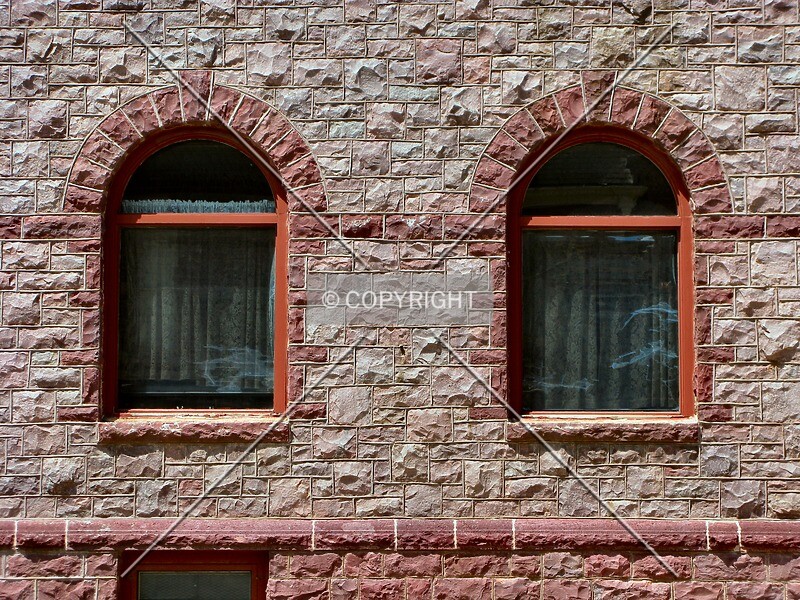
Quartzite is a metamorphic rock formed when sandstone deposits are compressed through geologic forces, usually by forces within tectonic plates. Under heating and pressure, the individual grains of sand and cementing materials recrystallize to form a very hard mass. Quartzite is valued as a decorative stone as well as for its hardness and resistance to corrosion. Its color is normally whitish or gray, often pinkish, and sometimes yellowish or other colors because of impurities.
The recrystallized structure distinguishes quartzite from sandstone, whose separate sand grains remain cemented together.
Quartz is the mineral, while quartzite is the metamorphic rock. A pale or pink color alone does not identify either material.
quartzite Photos
Related definitions
-
alabaster
A translucent gypsum or calcite stone, usually decorative indoors but occasionally used as a facade material. -
basalt
A dark, generally fine-grained igneous facade stone formed when lava cools and solidifies at the surface. -
gabbro
A dark, visibly grained intrusive igneous facade stone formed underground, here also including finer-grained diabase. -
granite
A hard, visibly grained igneous facade stone formed from magma cooling underground, used rough or polished. -
limestone
A sedimentary stone composed mainly of calcium carbonate, commonly used in natural stone building facades. -
marble
A brittle rock formed from calcite crystal and prized for its mottled patterns. -
quartz
A hard crystalline mineral occurring in many colors, normally clear or whitish when used on building facades. -
sandstone
A natural sedimentary facade stone made of cemented sand grains, commonly quartz, with varied colors and textures. -
serpentinite
A green metamorphic facade stone composed mainly of serpentine minerals, often selected for its color and pattern. -
slate
A metamorphic stone that splits into sheets, used as facade sheets or shingles outside roof surfaces. -
soapstone
A soft, talc-rich metamorphic rock with a slippery feel, used as a natural stone material on building facades. -
suevite
A composite rock formed in a meteor impact containing glass and fragments of rocks. -
travertine
A calcium-carbonate stone deposited from water, used as decorative natural stone and sometimes called travertine marble. -
tuff
A relatively soft volcanic rock made from consolidated erupted material, used as a textured natural facade stone.