
sports
Spaces intended for athletic performance, training, practice, exercise, or recreational sport, subject to the amenity exclusions.
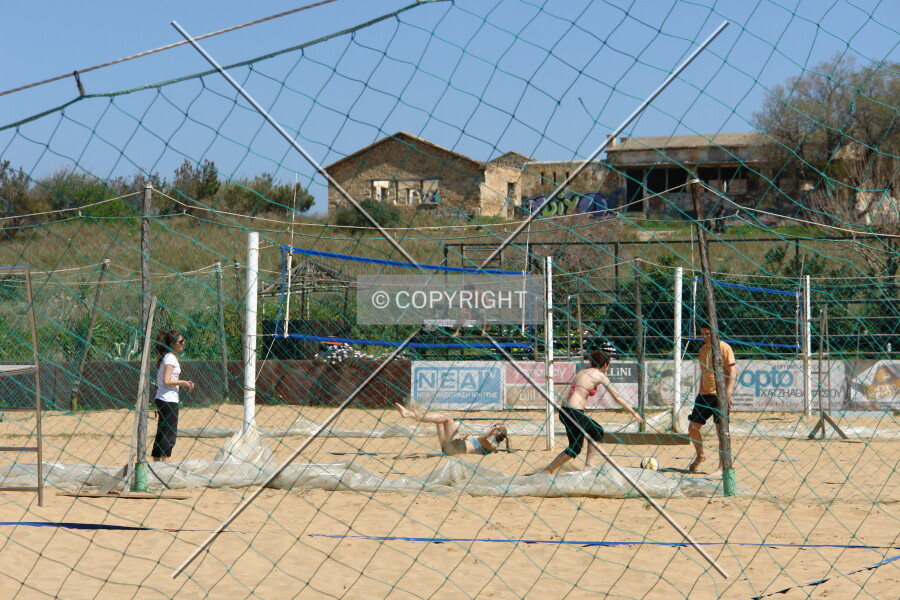
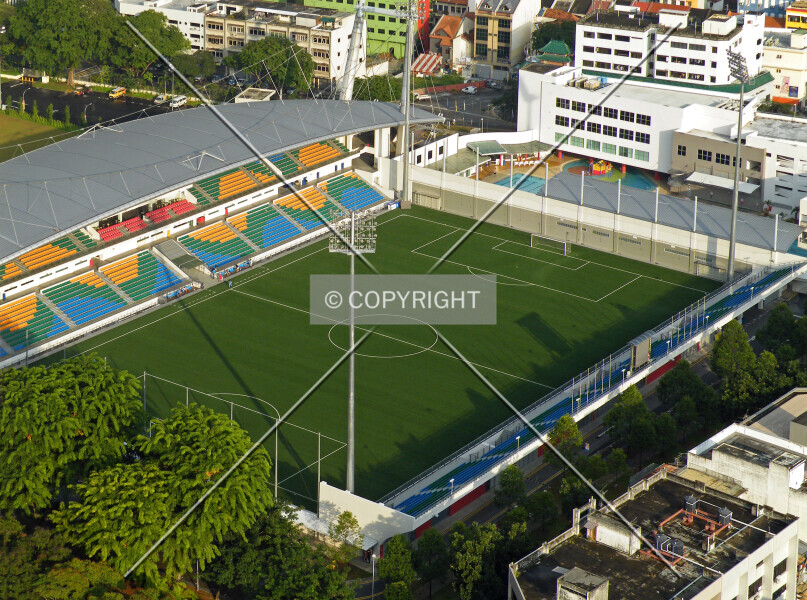
Sports usages apply to spaces for athletic activities, including performances for an audience, training, practice, exercise, recreational sports, and casual athletic activities.
Not included are amenity areas such as exercise rooms in hotels and apartment buildings. A school gymnasium is counted when it occupies a distinct structure, but not when it forms a part of a regular classroom building.
Competition and an audience are not required for every sports use: practice, exercise, and casual athletic activity are included. The distinction from a subordinate amenity remains, including the stated rule for gymnasiums within school classroom buildings.
sports Photos
More specific definitions
7 sub-definitions-
animal sports
A venue for sports involving animals as participants or auxiliary participants. -
athletics
A venue for sports demonstrating individual speed, strength, or agility without games. -
exercise
Places designated for noncompetitive physical conditioning through aerobic, strength, or coordination exercises. -
individual contests
A venue for athletic games which involves direct competition between individual players. -
mixed sports
Venues for a large variety of sports, with fewer than five customary sports assigned individually instead. -
team sports
Venues for athletic games played under defined rules between opposing teams of players. -
vehicle sports
Venues for races, performance stunts, or other sports carried out by operating motorized vehicles.
Related definitions
-
agriculture
Spaces which service the harnessing of natural bounty, especially crops and livestock. -
education
Spaces for classroom teaching or designated academic study, excluding separate research, library, administrative, and dormitory uses. -
government
Governmental premises for public interaction and receipt of government services, excluding regular administrative offices. -
health
Space used for medical and recuperative care, or for maintenance of well-being. -
industry
Spaces associated with direct production of material goods, including manufacturing, mining, and assembly. -
infrastructure
Structures and spaces which serve basic civil functions as part of extensive built networks. -
leisure
Places used for free-time enjoyment, including cultural attractions and spaces for fun, recreation, or relaxation. -
library
A space housing a large book collection with areas for study, research, or reading, subject to the small institutional exclusions. -
lodging
Guest accommodation with housekeeping and a self-determined stay, including serviced apartments with flexible leasing. -
office
Places for desk-based work where people administer any kind of business activities. -
parking
Space for temporarily leaving automobiles and other roadworthy transport vehicles when they are not in use. -
religion
Spaces dedicated to worship, prayer, or other spiritual activities prescribed by an organized or defined religious tradition. -
research
Spaces for experimental research and scientific and technological development. -
residential
Building space used as a home by people living there on at least a semi-permanent basis. -
retail
Space used for the trading of goods and services between vendors and consumers. -
services
Space used by a business to deliver services outside a customer-facing retail setting. -
social
Areas intended to bring people together for friendly, communal, or charitable purposes. -
storage
Places where goods are kept while not in use, excluding shipping hubs used only for rapid transfer between route stages. -
symbolic
Objects and places intended to convey meaning or attract visual or auditory attention, including attention to themselves.