
aluminum
A lightweight, silvery metal commonly used in facade panels and curtain-wall framing, with good corrosion resistance.
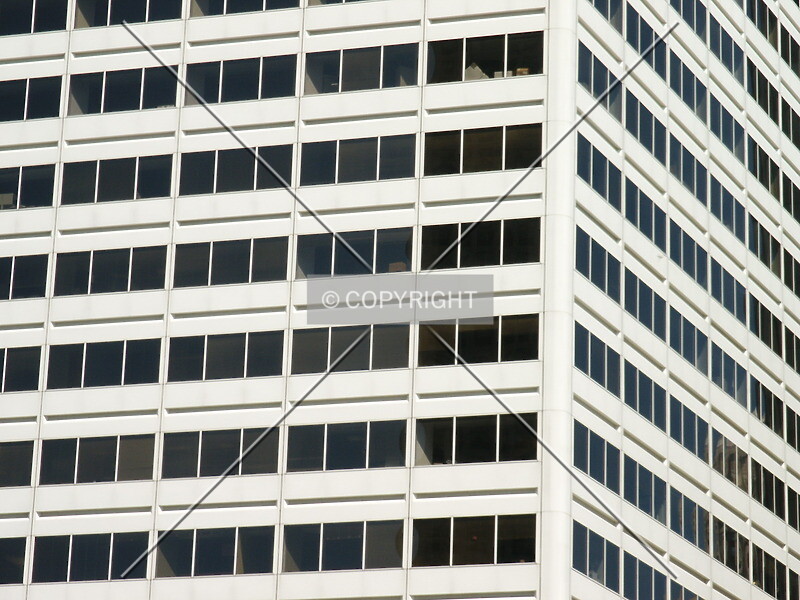
Pictured: Willis Tower
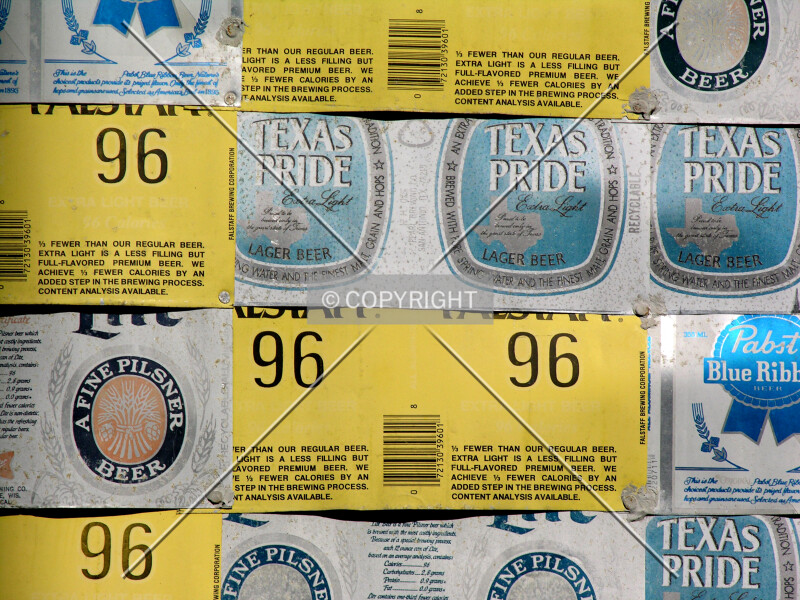
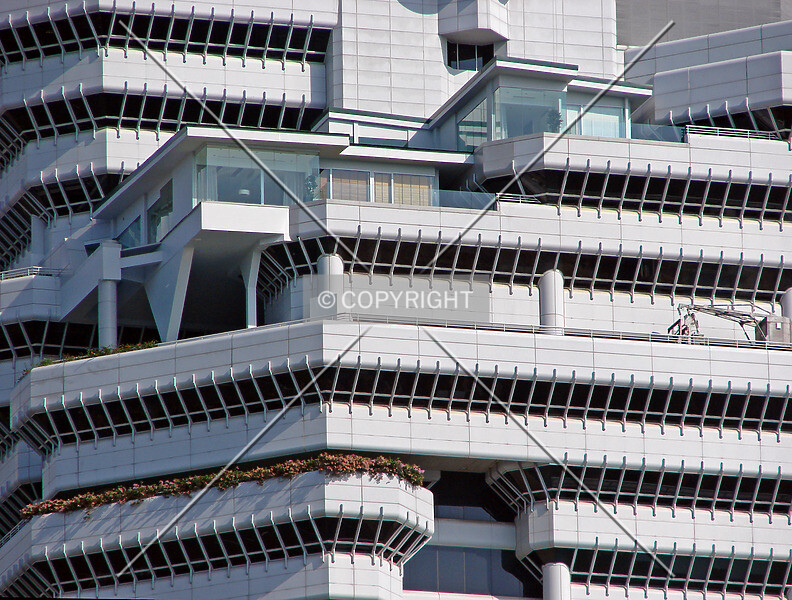
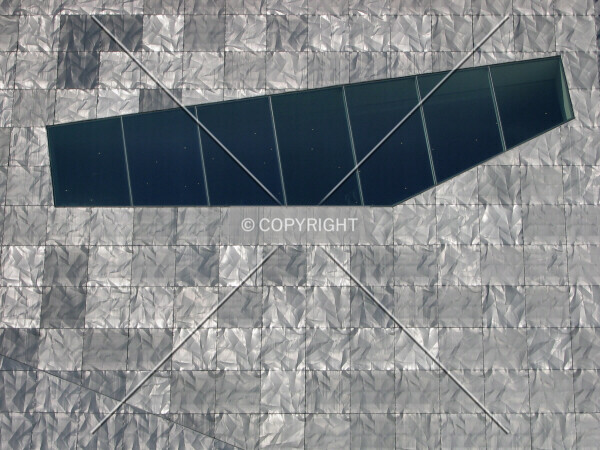
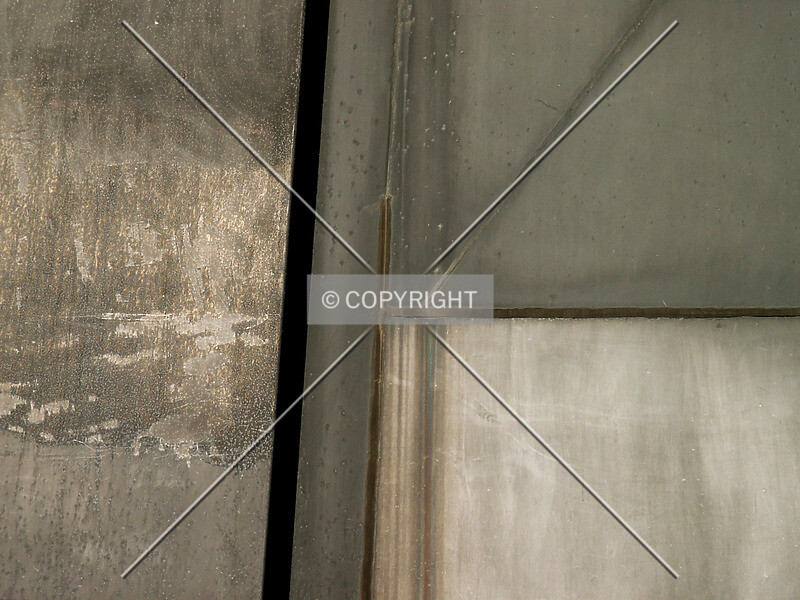
Aluminum is a lightweight silvery metal and the most abundant metal in the Earth's crust, making up about 8.1% of it. Hans Christian Oersted first produced the metal in 1825. Industrial production commonly separates aluminum oxide from bauxite through the Bayer process, then uses the Hall-Heroult electrolytic process to obtain aluminum metal.
Aluminum is used in facade panels and curtain-wall framing because it is light and readily formed. It has good corrosion resistance, but it is not immune to corrosion. Its reflective surface properties are distinct from thermal insulation: the metal itself conducts heat well.
Aluminum is the standard American English spelling. Aluminium is the form used in British English and many other English-speaking countries; both names refer to the same element.
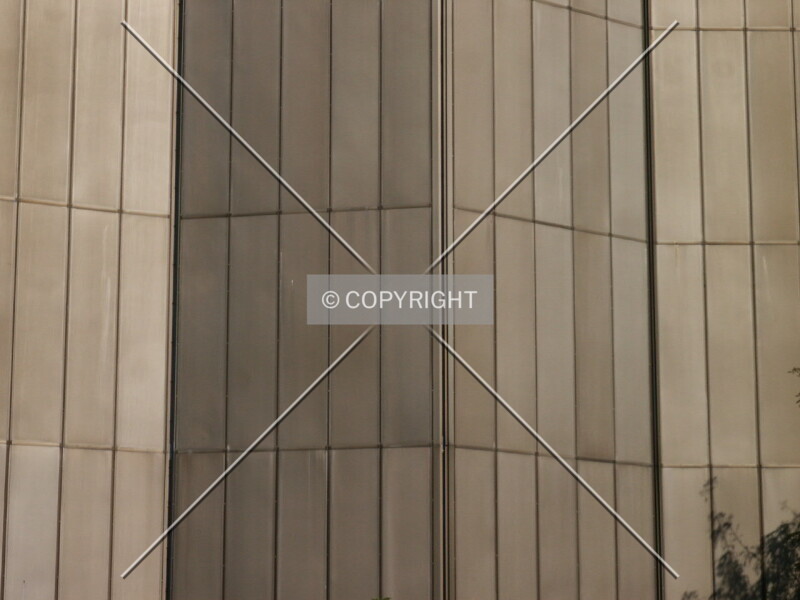
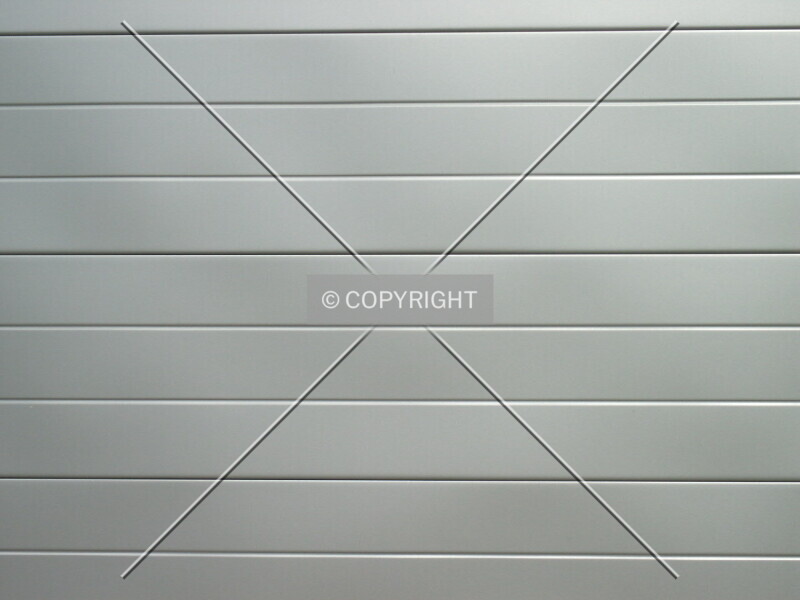
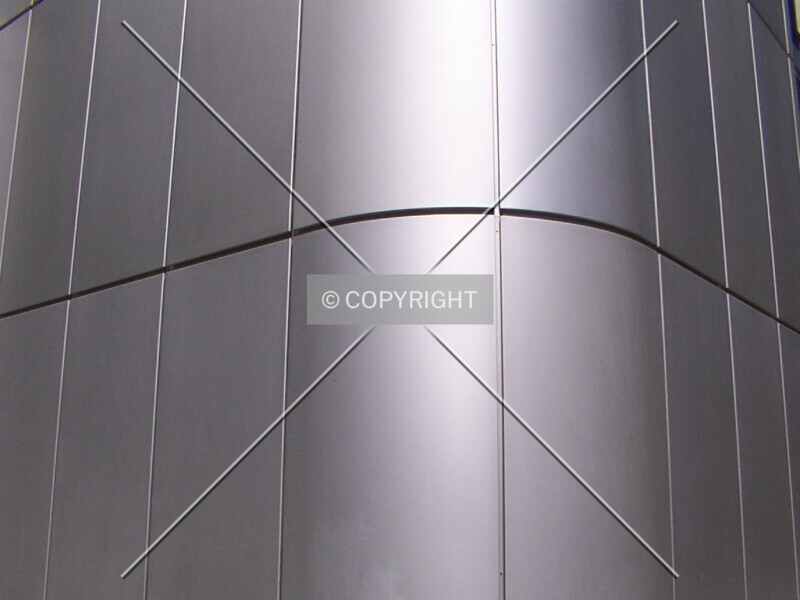
aluminum Photos
Related definitions
-
bronze
A copper-based alloy, usually containing tin, used in sculptures and decorative building facades. -
cast iron
Facade elements cast from molten gray iron or related iron alloys, often molded into decorative architectural forms. -
copper
A reddish-brown chemical element which weathers to brilliant green with age. -
stainless steel
Corrosion-resistant steel containing at least 10.5 percent chromium, used for durable metallic facade surfaces. -
steel
An iron-based alloy containing carbon, used for strong metal facade surfaces with protection appropriate to exposure. -
titanium
A lightweight, silvery, corrosion-resistant metallic element used as a building facade material. -
weathering steel
Steel formulated to develop a protective weathered rust layer, commonly giving exposed facades an orange-brown appearance. -
zinc
A silvery gray metal with a slight bluish tint, used in facades for its appearance and corrosion resistance.