
definition
strict definition
plastic flooring
Flooring materials composed of molded chemical substances, either as sheets or tiles.
Plastic flooring refers to flooring materials composed of artificial plastics, either poured as a continuous sheet or layer, or laid down as tiles.
The plastic forms the installed floor surface. The definition covers both material formed into a continuous layer on site and individual pieces laid together, so a tiled installation can belong to this family without being a mineral tile floor.
A plastic ingredient in a concealed backing or a thin protective finish does not automatically determine the flooring material. For example, polyurethane underlay beneath carpet leaves the exposed floor carpeted, and polyurethane varnish on wood leaves a wood floor.
plastic flooring Photos
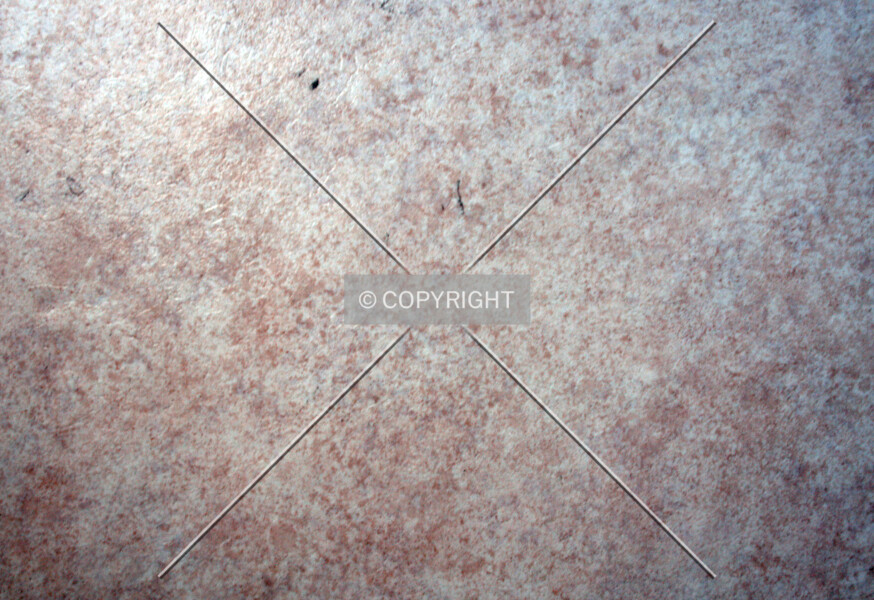
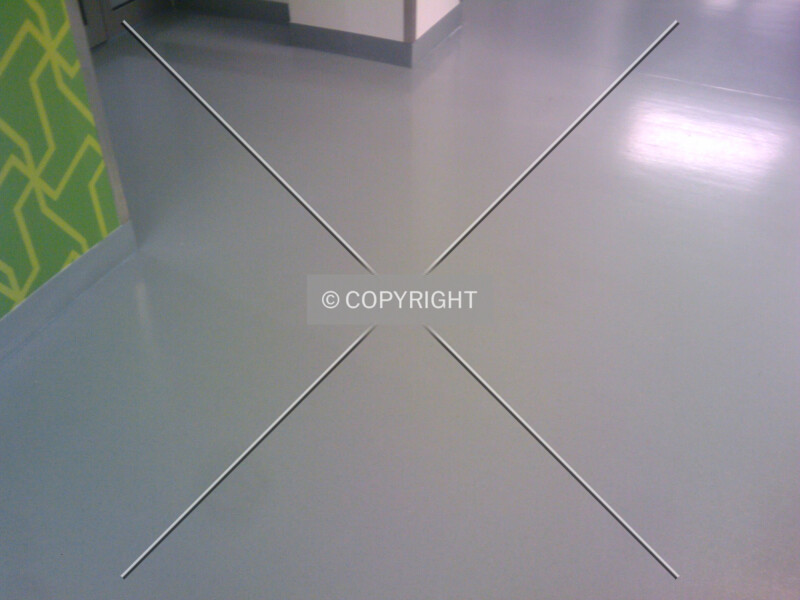
More specific definitions
6 sub-definitions-
epoxy
A poured plastic floor made by reacting epoxide resin with polyamine hardener, excluding epoxy paint and terrazzo. -
latex
A floor with a poured latex layer forming its surface, excluding floors coated only with latex-based paint. -
linoleum
Flooring made of tiles or sheets of linoleum, a rubbery mixture of organic and mineral substances on a fibrous backing. -
polyester
A plastic floor formed by a thick coating of polyester resin over an underlying surface. -
polyurethane
A floor formed by a thick, poured polyurethane resin layer, excluding wood varnish and concealed carpet underlay. -
vinyl
Flooring made of tiles or sheets of vinyl, a group of plastics which includes polyvinyl chloride.
Related definitions
-
mineral flooring
Flooring materials consisting of natural or aggregate earth or mineral substances. -
naturalistic surface
Ground or floor surfaces whose material is natural or simulates a naturally occurring surface. -
soft flooring
Floor coverings made of cushioning or lofty materials, including carpet, rubber, cork, and artificial turf. -
wood flooring
Floor coverings made from wood or rigid grasses, distinguished by material form and installation, with cork excluded.