
definition
strict definition
dam
A structure built to block or restrict the flow in a natural body of water.
A dam is a large structure which blocks the flow of water in a channel. Dams are frequently used to generate hydroelectric power, or they can be built simply to divert water from one course to another or to create an artificial lake.
The barrier changes the flow or retention of water in the channel. Power generation, diversion, and impoundment are different purposes served by that obstruction.
Dam forms differ in their construction and resistance to water pressure. An arch dam uses a curved form, while a gravity dam relies primarily on its mass.
dam Photos
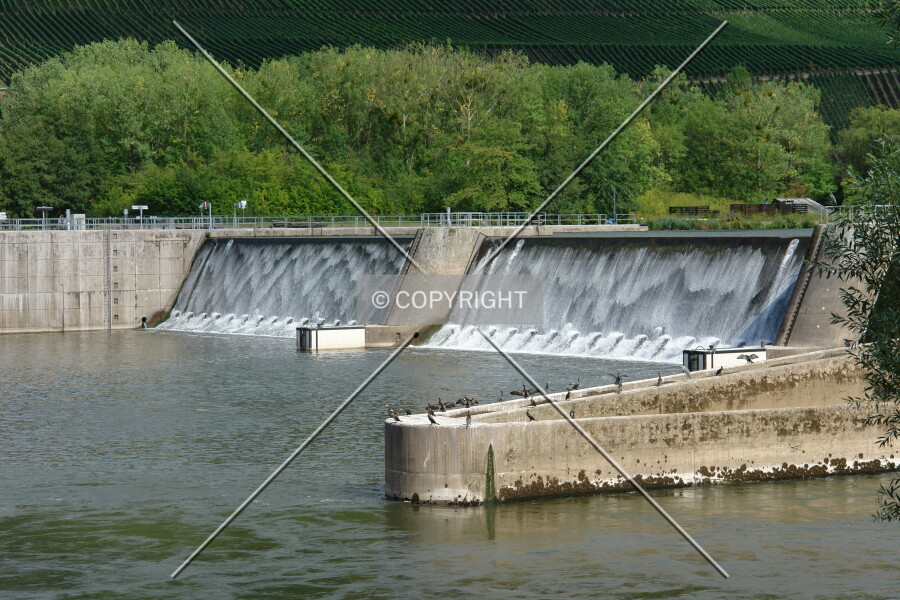
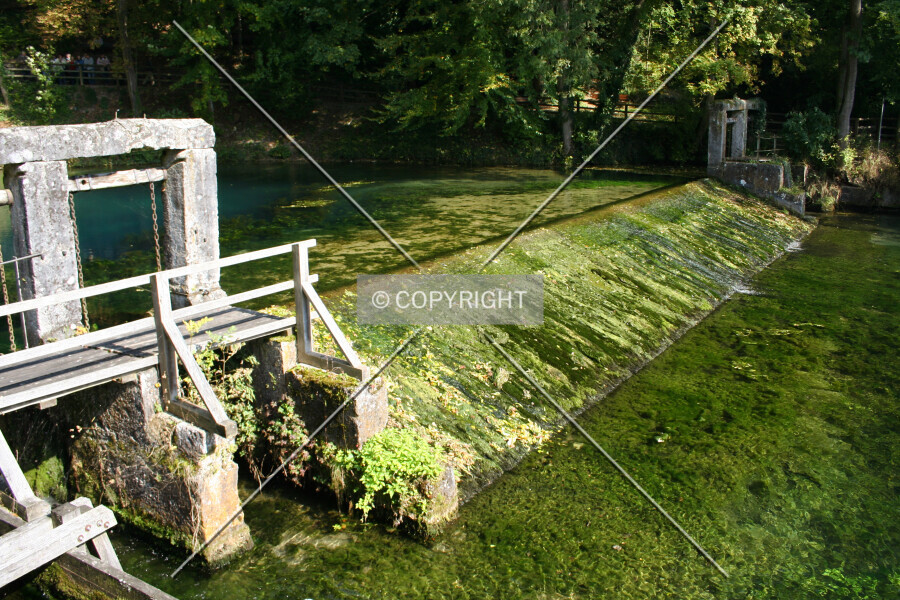
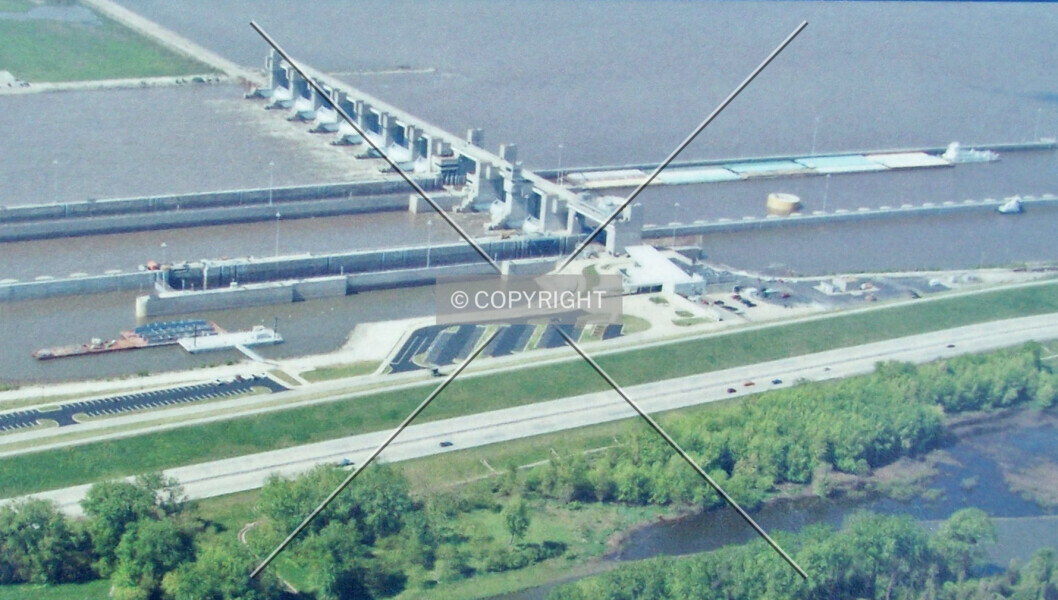
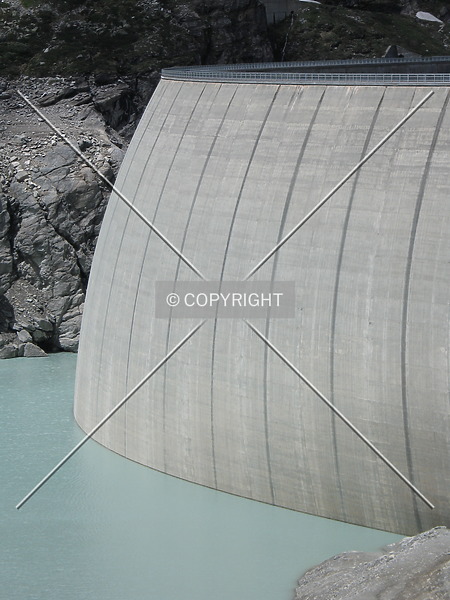
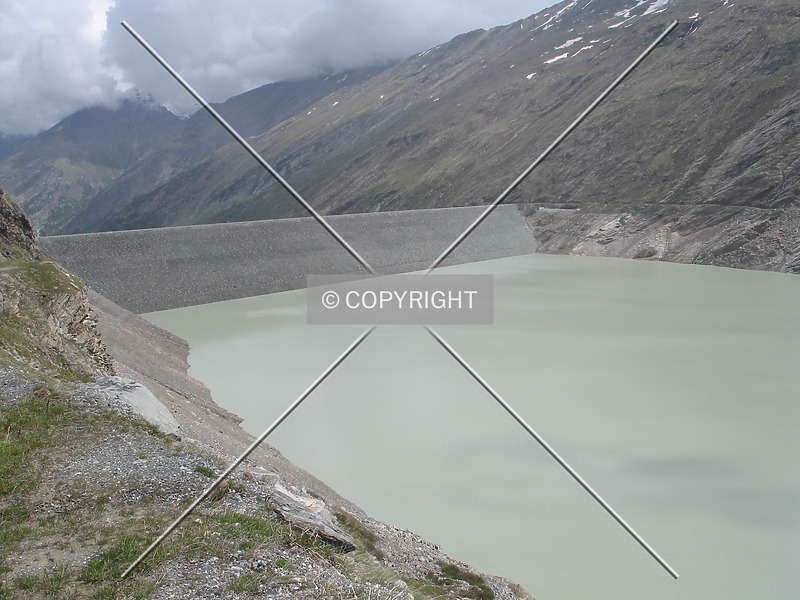
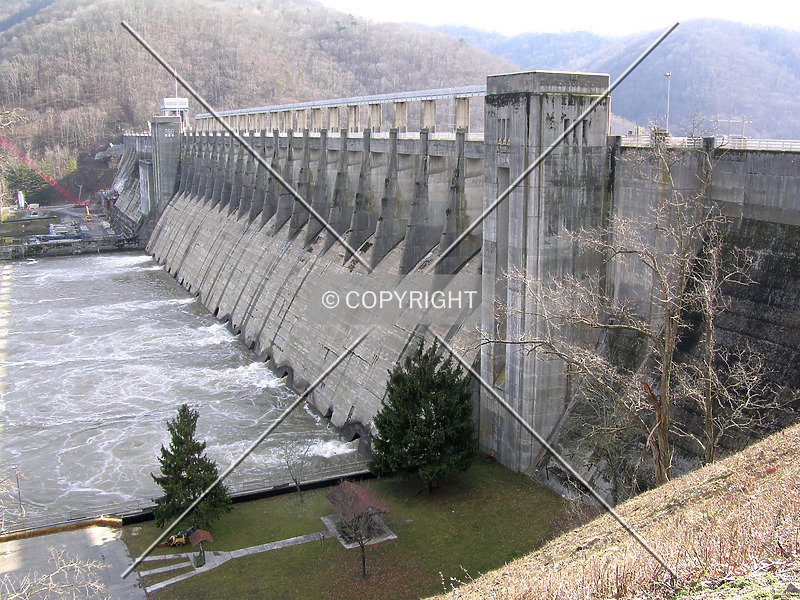
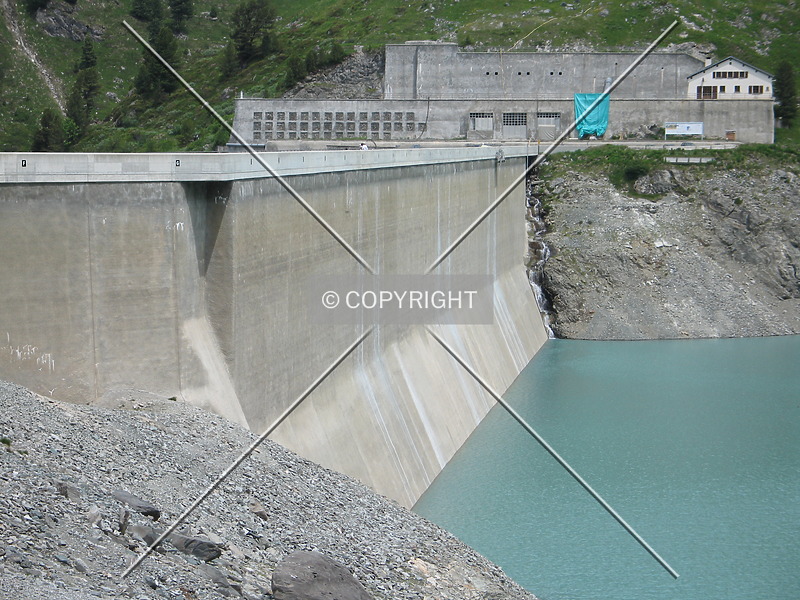
More specific definitions
6 sub-definitions-
arch dam
A dam curved toward the upstream side so that arch action helps resist the pressure of the water behind it. -
arch-gravity dam
A composite dam with the bowed shape of an arch dam and the heavy infill of a gravity dam. -
barrage
A dam consisting of a series of movable gates used to regulate water flow in a channel. -
embankment dam
A water barrier composed of loose material held together by an outer shell. -
gravity dam
A dam that relies primarily on its own substantial mass to resist pressure from the water behind it. -
weir
A barrier with water flowing over it, used to control the flow rather than block it.
Related definitions
-
bridge
A transportation structure spanning a gap or water between two points, distinct from connecting parts of buildings. -
linear structure
An elevated construction extending along a route, with potential length limited by need and available land or water. -
water transport structure
Fixed or permanent structures in water that assist the navigation or handling of boats and other water transport.