
asphalt
A highly viscous material taken from petroleum deposits, often formed into colored or patterned shingles, tiles, or sheets.
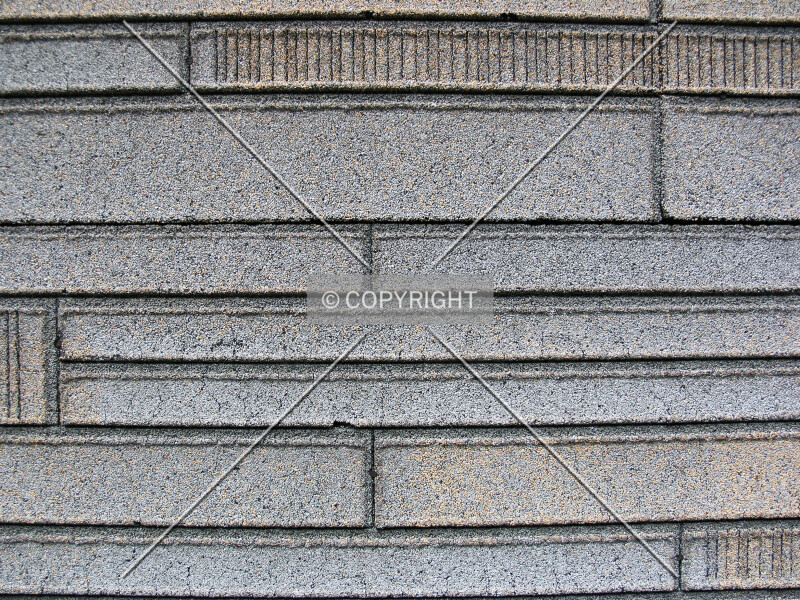
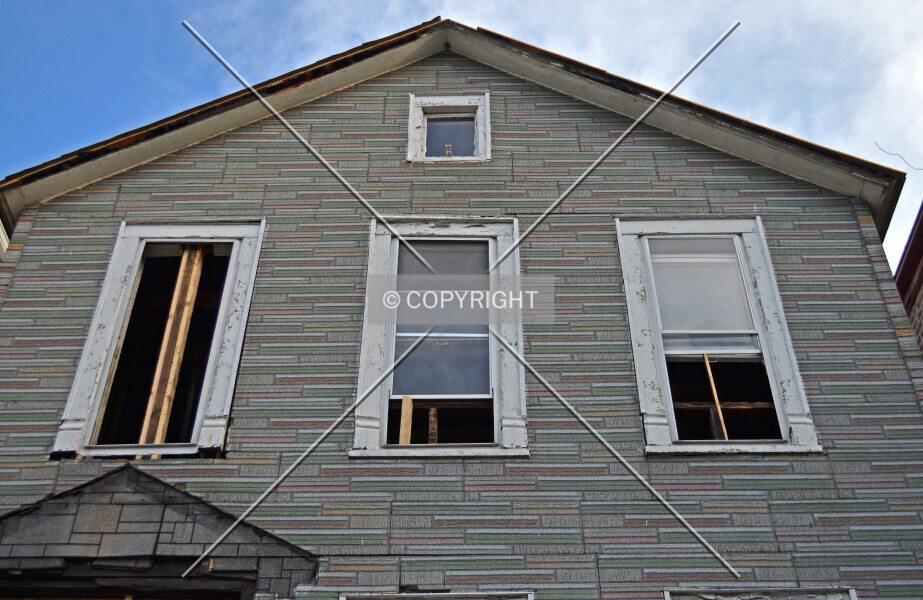
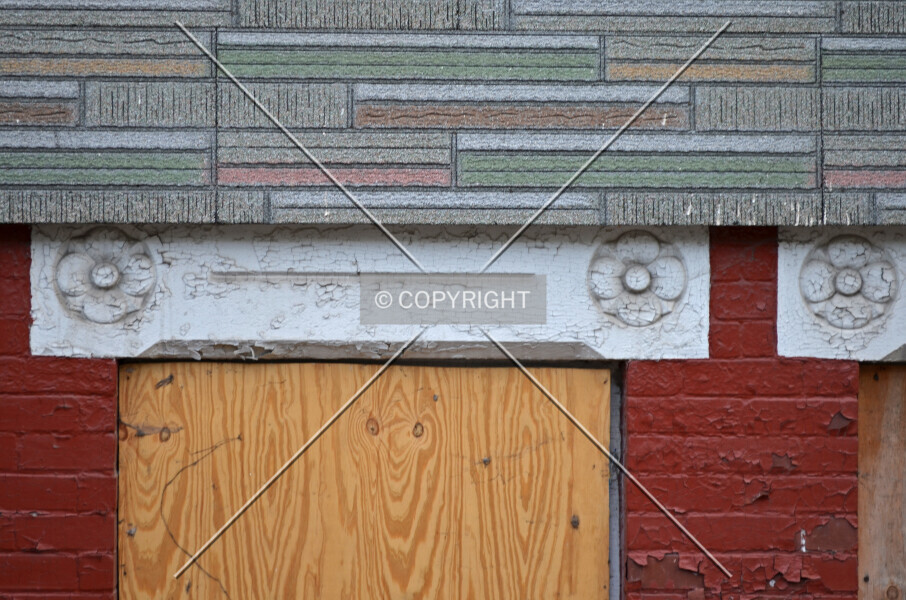
Asphalt is a black, sticky, highly viscous material taken or derived from petroleum deposits. As a facade material it is usually applied as shingles, sheets, or tiles in the form of a paper-like layer a few millimeters thick, which is usually coated with colored sand or ceramic particles, often with a patterned design.
In this cladding, the asphalt layer and its surface coating are different parts of the product. Sand or ceramic granules can give the exposed face its color and texture without making the whole shingle or sheet a ceramic tile.
A ceramic tile is a clay-based unit, while vinyl siding is a synthetic sheet or strip. Asphalt cladding is also different in form and use from asphalt paving, where mineral aggregate is bound into a surface for floors or outdoor traffic.
asphalt Photos
Related definitions
-
aggregate
Manufactured facade sheets formed by binding rocks or pebbles, using one stone type or a mixture. -
asbestos
A fireproof material made of silicate mineral fibers, often applied as shingles or panels. -
brick
Small blocks of baked minerals which are usually joined by mortar on building facades. -
cast stone
Concrete or cement-based units formulated and cut to resemble natural stone. -
cement board
A dense material composed of cement and reinforcing fibers, usually formed into hard sheets. -
ceramic tile
Clay-based ceramic pieces applied to facade backing with mortar or another adhesive, often colored or glazed. -
concrete
A fabricated mixture of cement, gravel, and other substances which can be applied as panels or left exposed as a framework structure. -
concrete masonry unit
Brick-like concrete blocks laid in masonry, often hollow and sometimes made with coal cinders. -
fiberglass
Facade sheets, panels, coatings, or other plastic surfaces heavily reinforced with glass fibers. -
fibrous concrete
A lightweight molded facade material incorporating fiberglass or similar material. -
glass
A smooth and normally transparent silicate material (only counts as a facade material when used between windows). -
plastic
Facade cladding made from synthetic or semi-synthetic polymers, including various plastic sheet and panel forms. -
stucco
A thick facade coating applied as a water-mixed paste that hardens in place, excluding paint and oil-based coatings. -
terra-cotta
Baked-clay material used on ornamental facades as tiles or sculptural forms, with polished or unpolished finishes. -
vinyl
Lightweight vinyl plastic used for facade cladding, commonly as weatherboard-like siding on houses.