
primary school
Classroom space for the early phase of schooling, generally ages 5 to 13 between kindergarten and intermediate school.
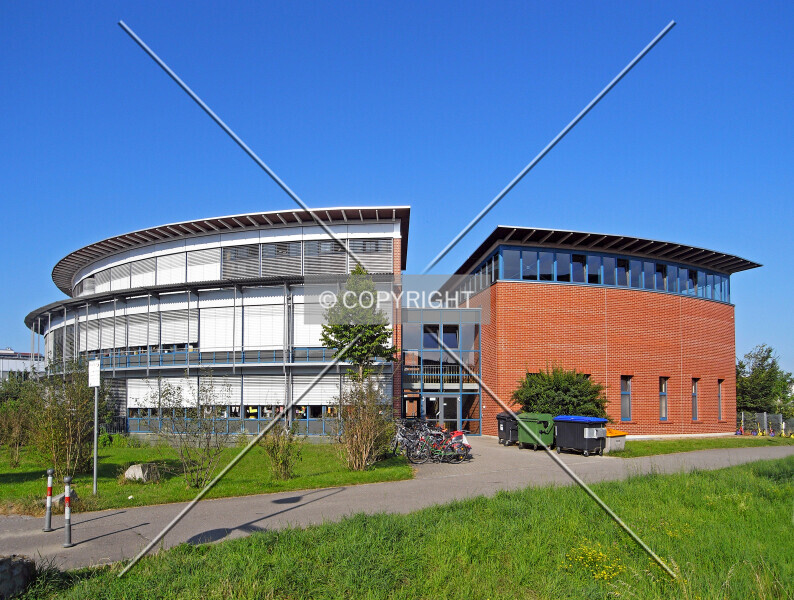
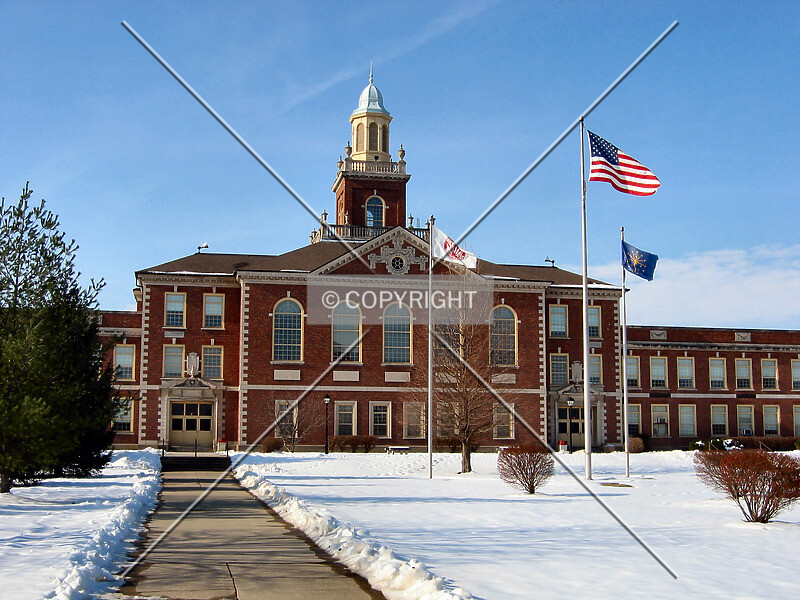
Pictured: Culture School
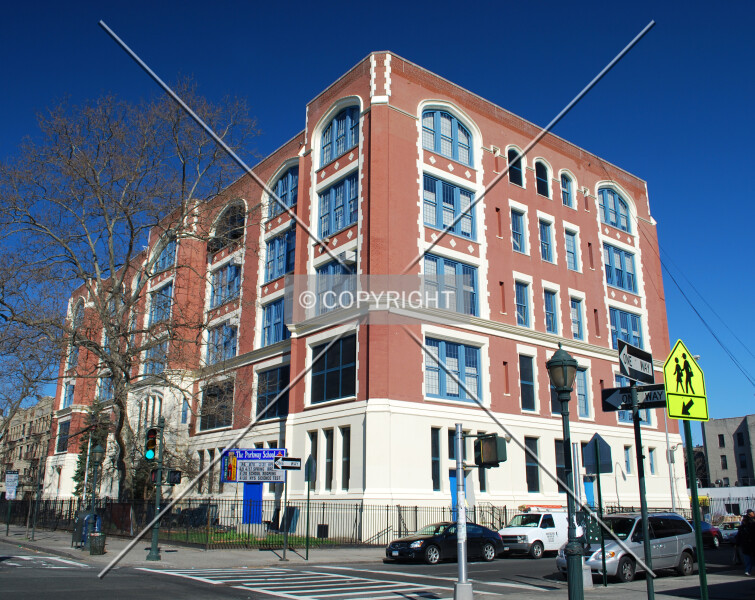
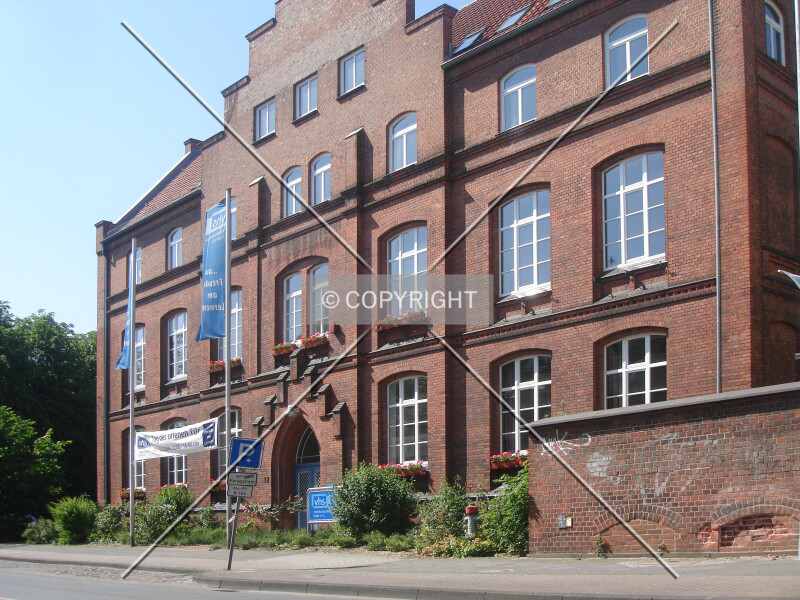
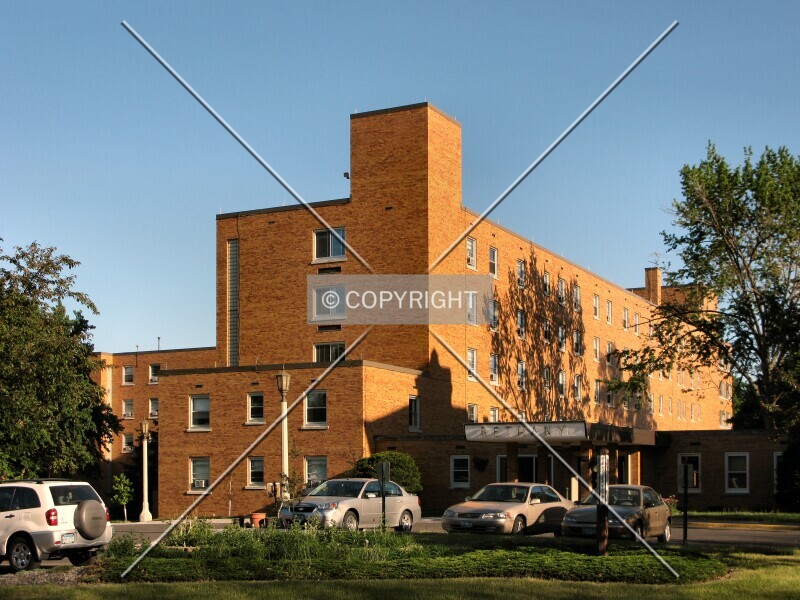
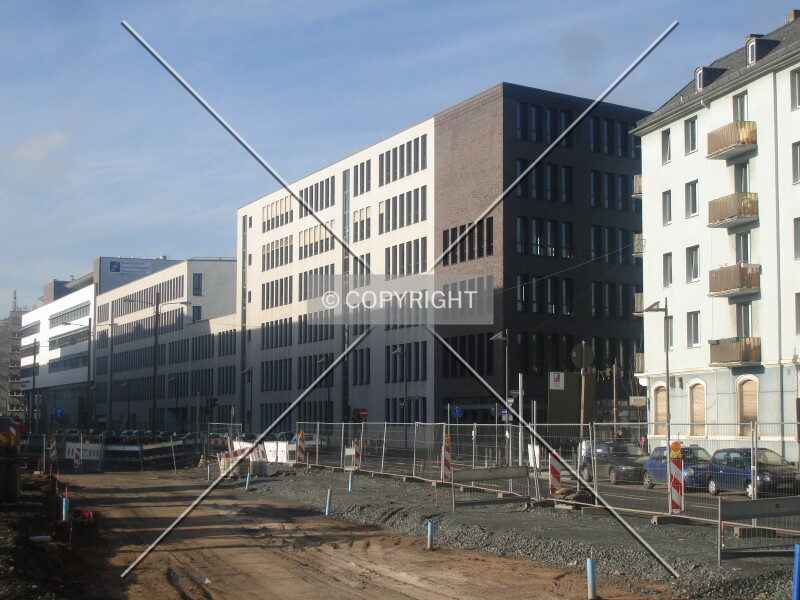
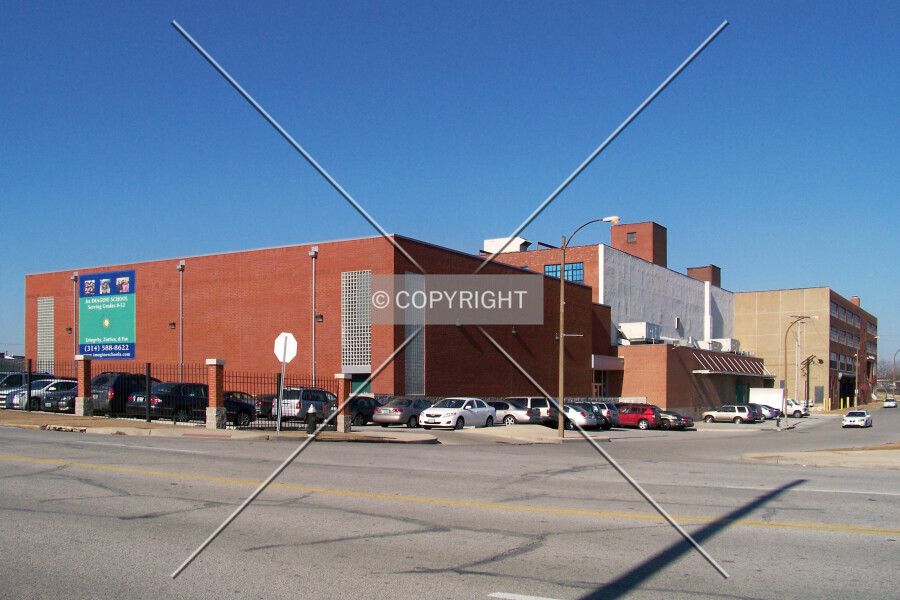
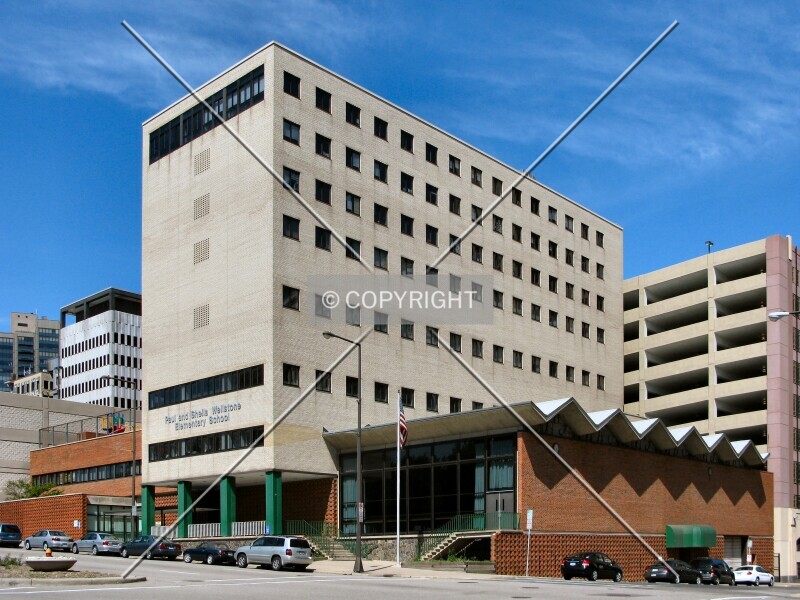
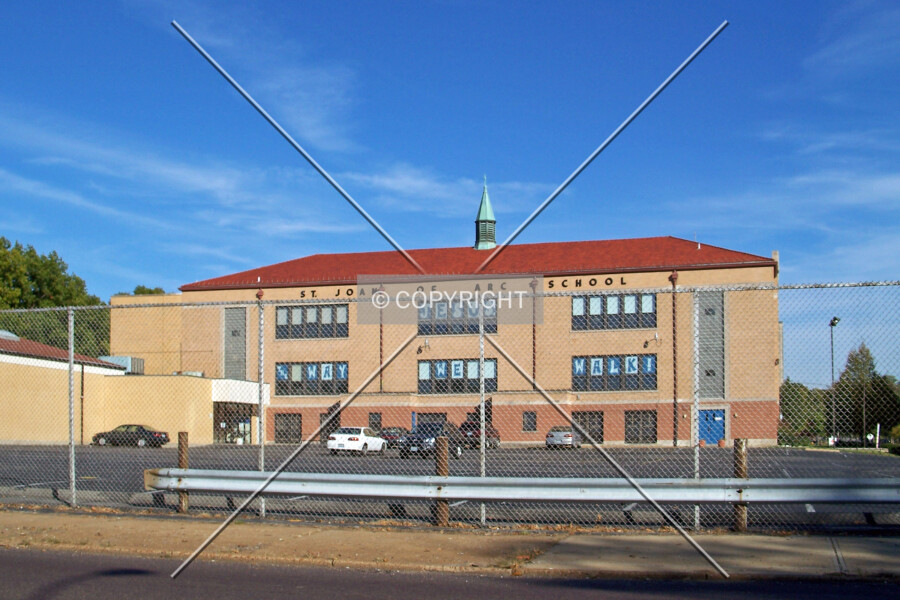
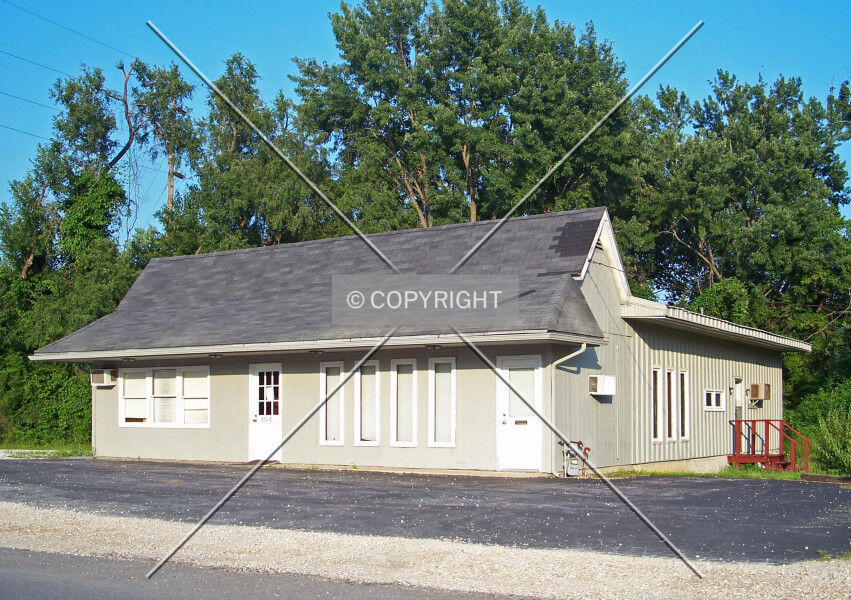
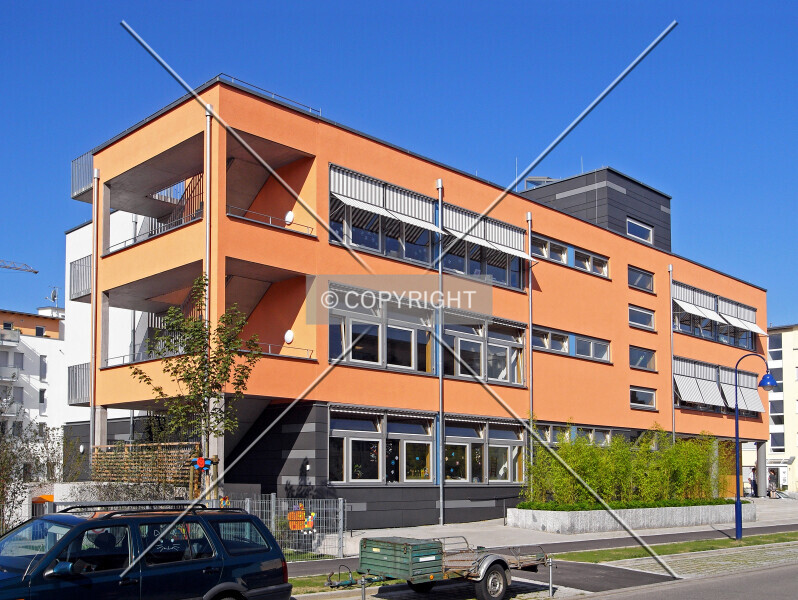
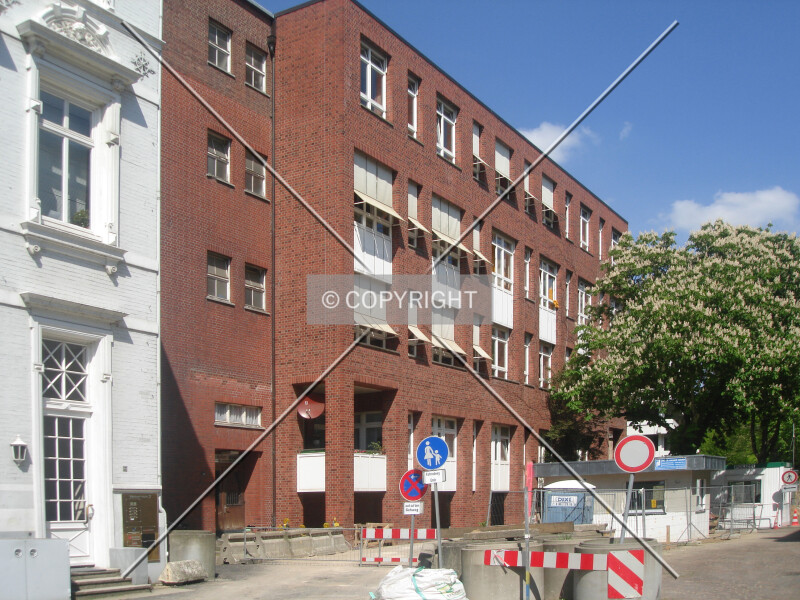
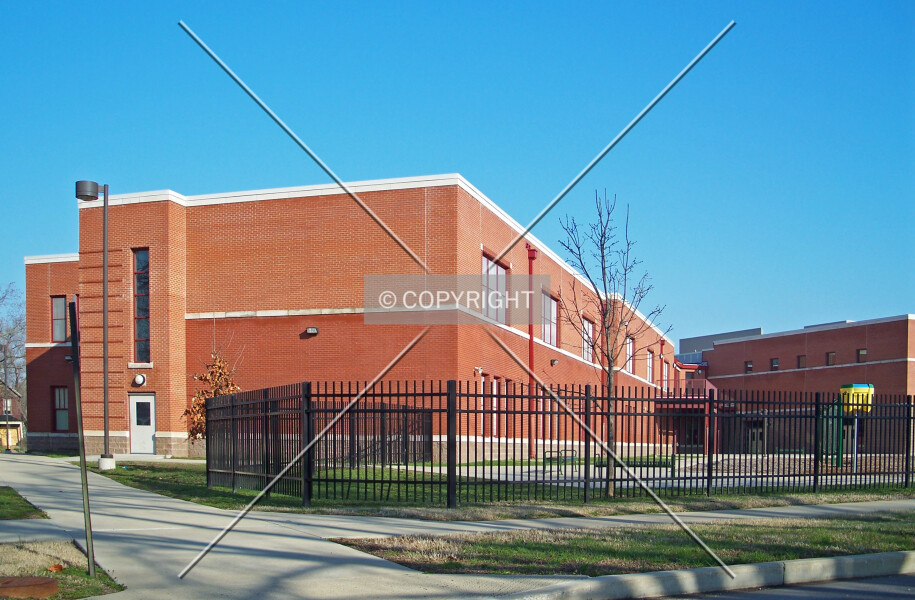
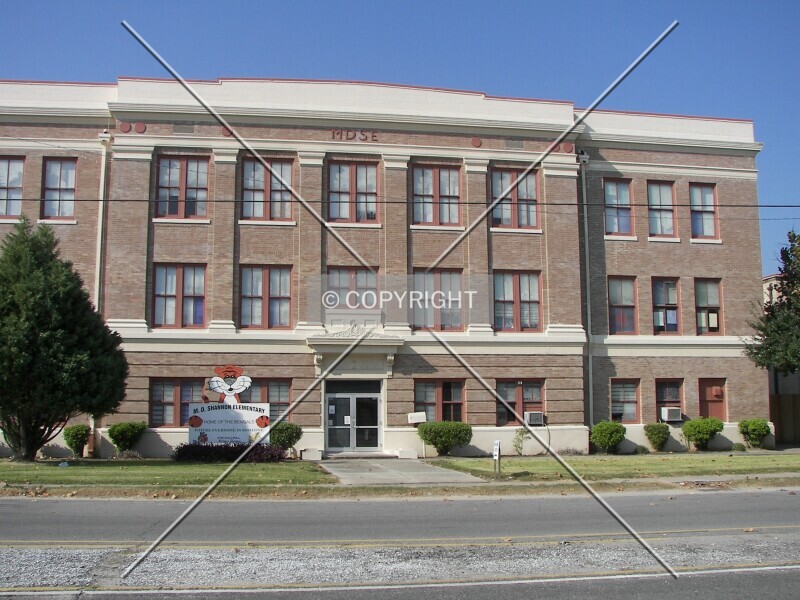
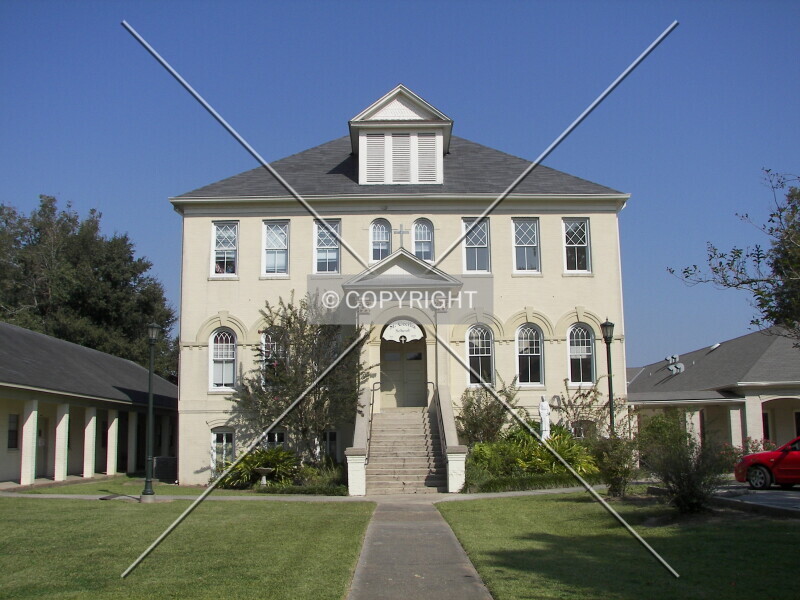
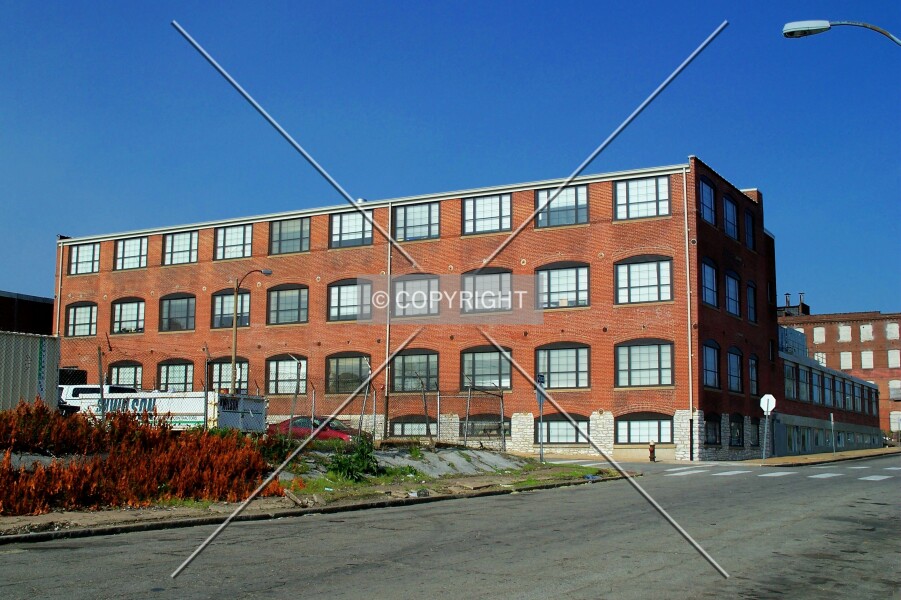
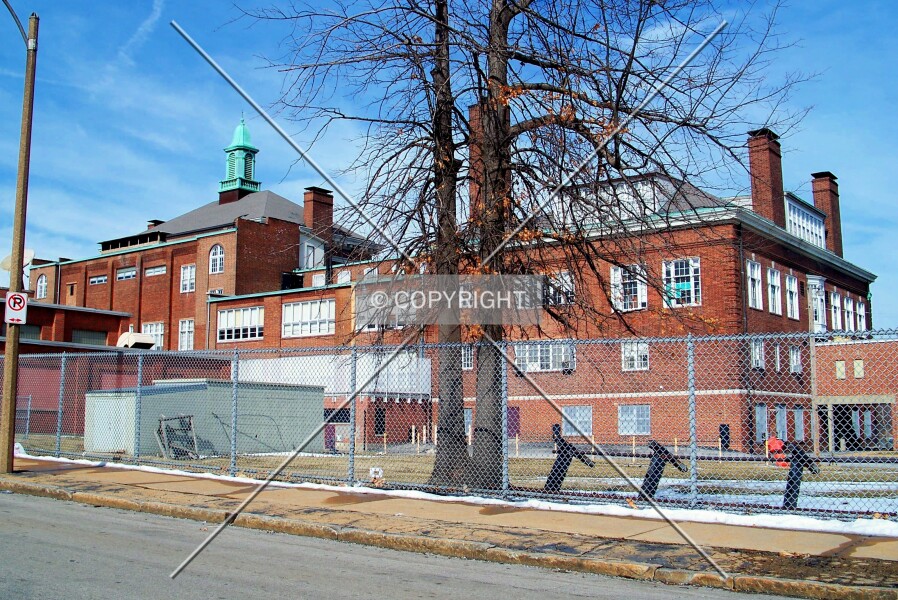
A primary or elementary school is an educational building where students attend classes in the early phase of their education. The ages covered generally range from about 5 to 13, and include all forms of schools between kindergarten and intermediate or high school level.
Any libraries, administrative offices, sports halls, and chapels sharing the same building with classroom space in schools are only assigned internal usages; they do not serve as a main or secondary usage of the school building unless they serve persons outside the school community.
The early educational stage distinguishes a primary school from an intermediate school; the ages are approximate. A library or sports hall in the classroom building can be subsidiary to the school or can also have a public function for people outside its community.
primary school Photos
Related definitions
-
adult education
Classroom space for non-degree programs taught to adults for the sake of learning. -
higher education
Classroom space for education at the college level or higher, or any formal adult education. -
intermediate school
Classroom space for students between elementary and college or university level. -
kindergarten
Educational space for children about 5 years old, before enrolling in primary school. -
pre-school
A school-like facility which acculturates very young children before they enter kindergarten. -
training school
Places offering professional or leisure lessons outside degree-oriented academic study. -
tutoring
A place where supplemental education is provided to current or prospective students.