
definition
strict definition
legislation
Government buildings used for making laws and for meetings of legislatures, parliaments, or municipal councils.
Legislative government buildings are the capitols, local government headquarters, and auxiliary buildings where laws are made and where parliaments, legislatures, and city councils meet.
The legislative activity determines the use. It can take place at national, subnational, or municipal level, and auxiliary buildings can belong to the legislative premises alongside the principal meeting building.
National capitols, subnational capitols, and city halls distinguish seats of government by their governmental level. A general administrative office does not acquire legislative use merely because its staff apply laws.
legislation Photos
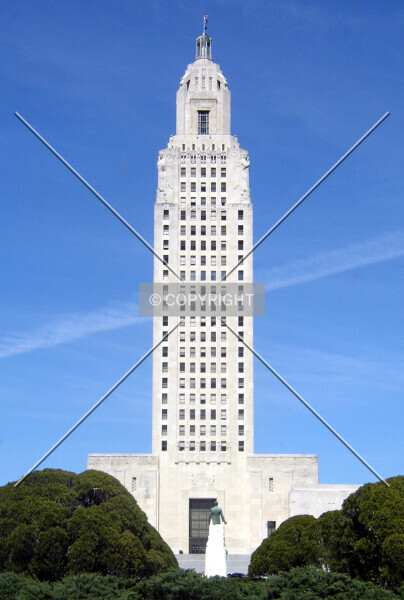
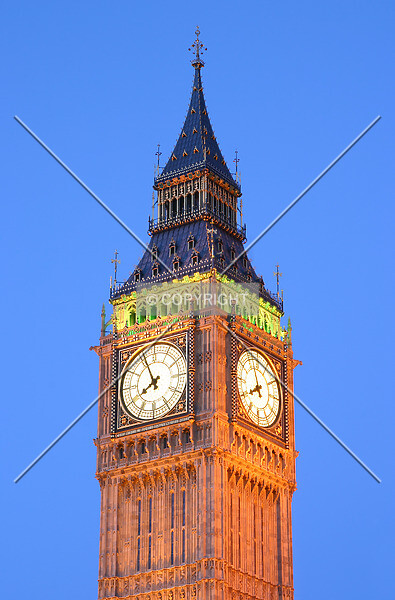
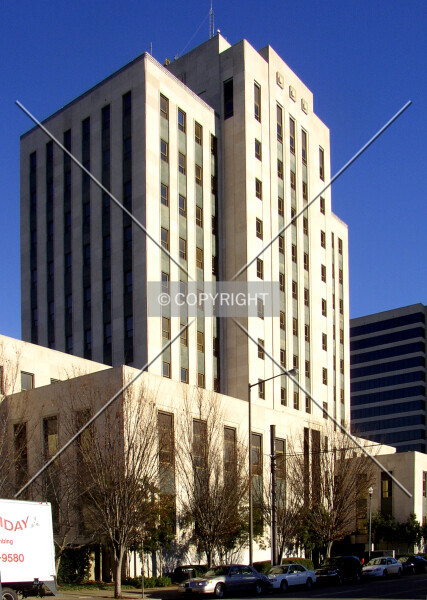
More specific definitions
3 sub-definitions-
city hall
The principal headquarters of a municipal government, including jointly named city-hall buildings where that name applies. -
national capitol
The seat of government or primary legislative house in a country or a territory. -
sub-national capitol
The legislative headquarters building for a state, province, or other 1st level national subdivision.
Related definitions
-
civil defense
Spaces and structures used for protection of citizenry and maintaining social order. -
diplomacy
Facilities for a country's diplomatic representation abroad or its mission to an international body, with associated services. -
government office
Administrative premises used by government institutions, including ministries, military offices, and service administration. -
judiciary
Governmental court facilities and supporting judicial sites, including confinement before trial and incarceration under sentences. -
military
Places for armed forces under a government to train, exercise, test weapons, and conduct related military activities.