
tudor revival
Architecture of the 19th and 20th centuries based on English Tudor domestic styles, usually with half-timbering and steeply pitched roofs.
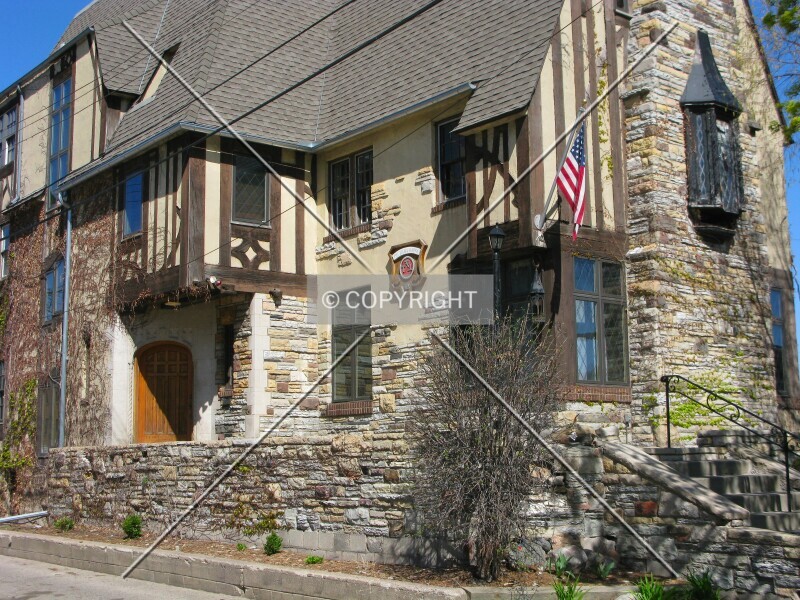
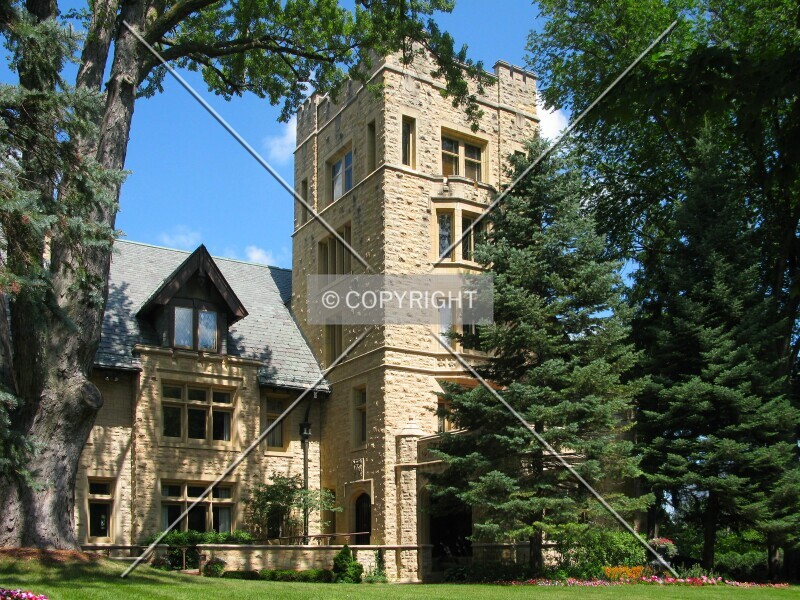
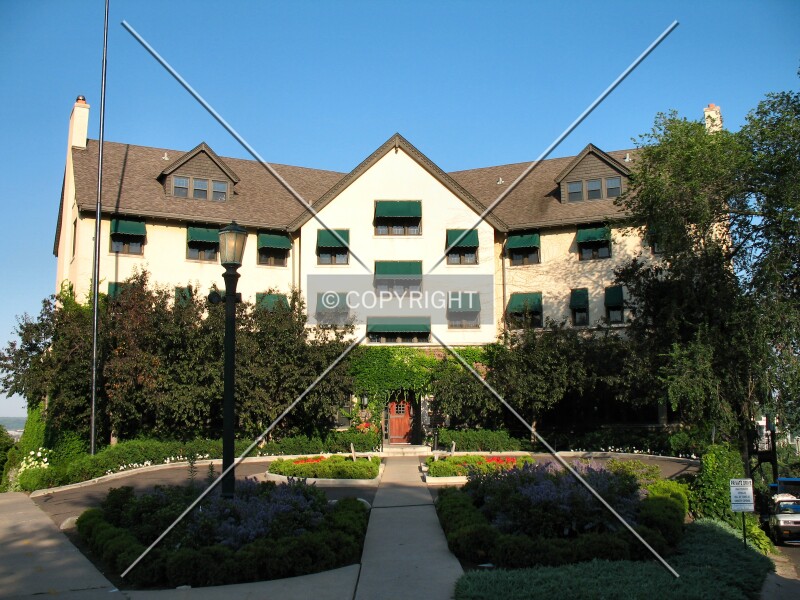
Pictured: University Club of St. Paul
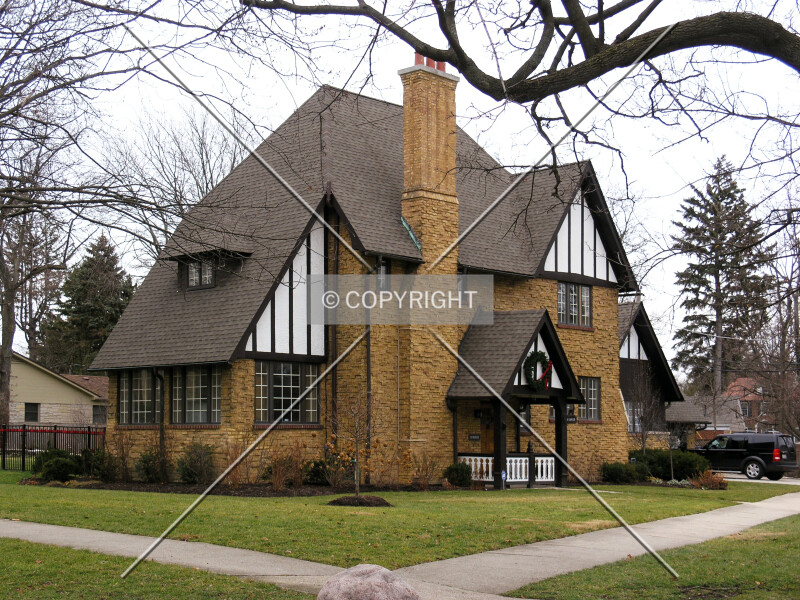
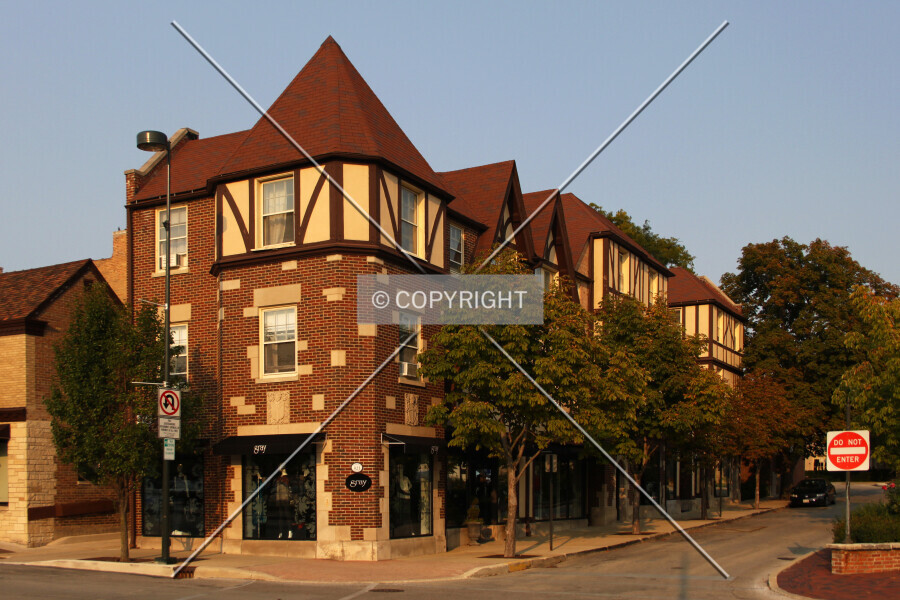
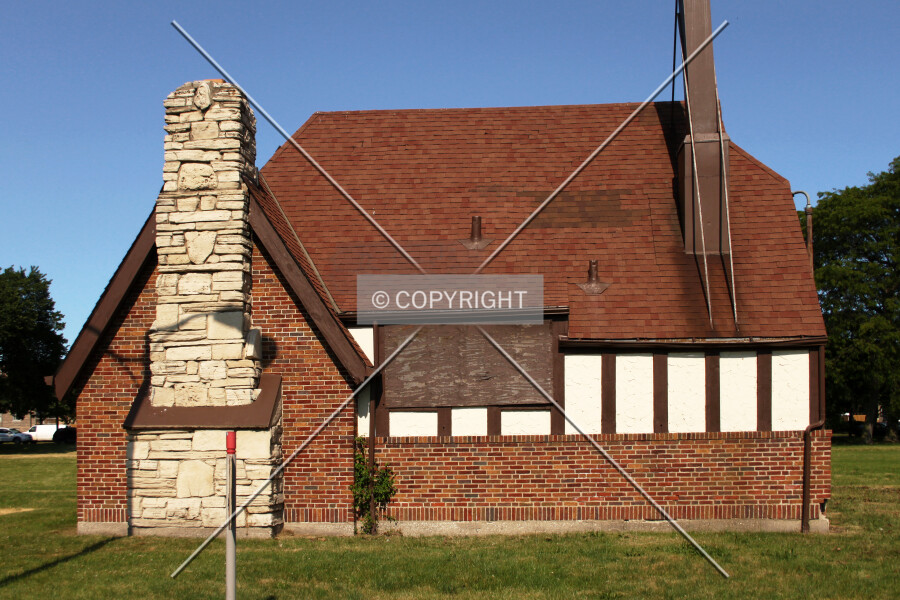
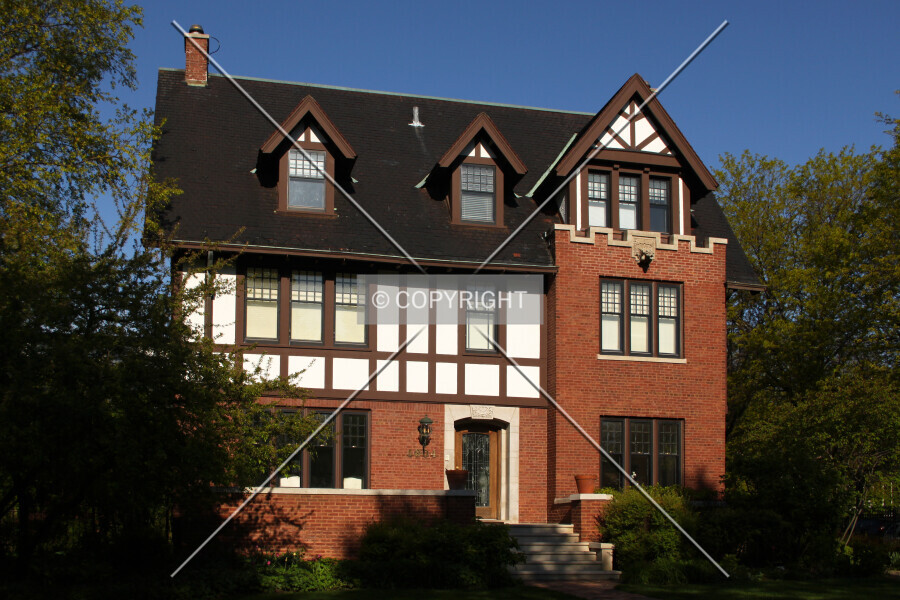
Tudor revival is a 19th and 20th century architectural style modeled on the cottages and domestic architecture of Tudor and Elizabethan England of the 16th and 17th centuries. Although much of Tudor architecture falls within the late Gothic style, the revival form is a particular romanticization of the original period's more rustic and domestic stylistic features, especially half-timbering, steeply pitched roofs, wide chimneys topped with chimney pots, multi-lit windows, cross gables, rounded turrets, projecting bays, asymmetrical massing, and a mixture of materials including brick, stone, wood, and stucco.
This style is common in Britain and America, not only for residential buildings but also for small and medium-sized public buildings.
The revival selects domestic and rustic features rather than reproducing every form of Tudor-period architecture. Half-timbering, complex roofs, projecting bays, and varied materials can work together in the later building.
tudor revival Photos
Related definitions
-
beaux-arts
Baroque revival architecture of the late 19th and early 20th centuries with elaborate ornamentation and an emphasis on hierarchies of space. -
chateauesque
A revival of the elaborate, castle-like architecture of French Renaissance chateaus. -
egyptian revival
Architecture of the 19th and early 20th centuries that uses ancient Egyptian forms and ornament. -
italianate
Architecture based on features of Italian Renaissance villas, with rectangular forms, projecting cornices, and decorative borders. -
mayan revival
An early twentieth-century revival of Maya architectural forms, imitated stonework, script, and ornament. -
moorish revival
A romantic revival of Mudéjar or classical Moorish architecture of Spain and North Africa. -
neo-baroque
A revival of baroque architectural forms and motifs in the 19th and early 20th centuries. -
neo-byzantine
A 19th and 20th century revival of Byzantine architecture, with domes, centralized plans, and Near-Eastern ornament. -
neo-classical
A conservative application of classical Greek and Roman design features, including columns, arches, and pediments. -
neo-gothic
Application of gothic forms to buildings of the 19th and 20th centuries, especially pointed arches, elaborate tracery, buttresses, and sharp spires. -
neo-renaissance
An adaptation of Italian Renaissance features to buildings of the late 19th and early 20th centuries, with restrained classical ornament. -
neo-romanesque
A revival of Romanesque architecture, characterized by heavily rusticated stonework, rounded arches, large forms, and steep roofs. -
neo-traditionalism
Architecture after 1980 that imitates historic ornamental styles literally, sometimes in a more abstract way. -
oriental revival
Traditional East Asian architectural forms applied to modern and postmodern designs. -
postmodern
Architecture after 1970 which plays creatively with ornamentation or massing derived retroactively from historical styles. -
queen anne
A mainly residential style featuring complex shapes with turrets, strong ornamentation, and varied coloring. -
second empire
Architecture belonging to or derived from the dominant Parisian style of the 1870s, with ornate facades and mansard roofs. -
soviet classicism
A highly formal and ornamental neoclassical style associated with Soviet and Eastern European institutional architecture. -
spanish revival
A revival of old Spanish and Moorish styles characterized by flamboyant ornament and bright colors. -
swiss chalet
A vernacular Alpine domestic style using wide gables, overhanging eaves, and exposed wood framing.