
international style
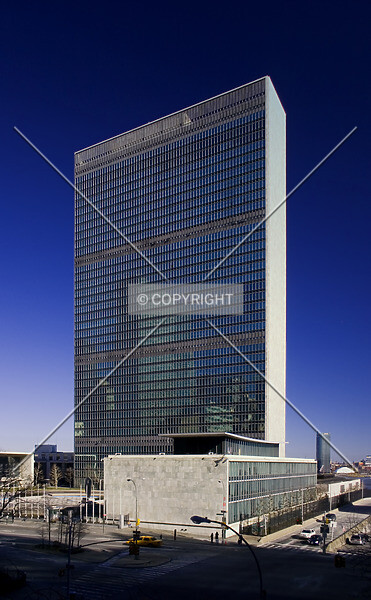
High modernism of the 1950s-1970s, characterized by simple forms and spacious interiors.
Pictured: Liechtensteinische Post
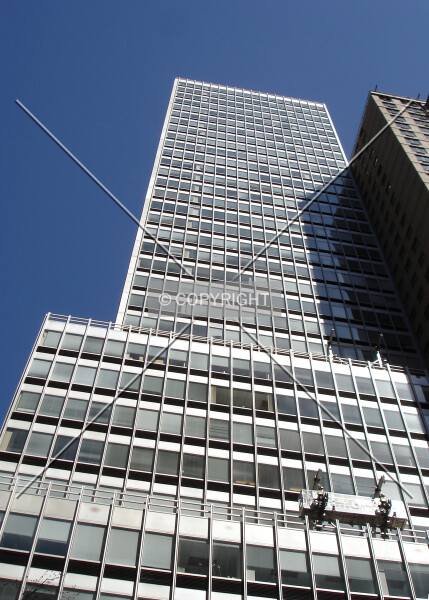
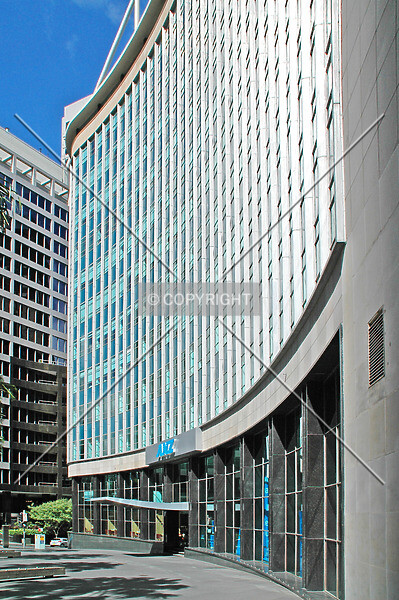
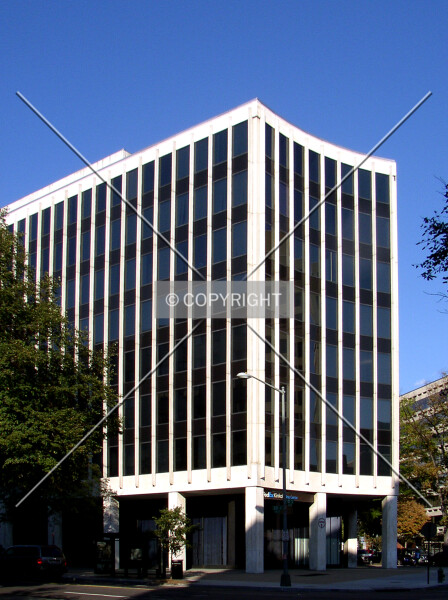
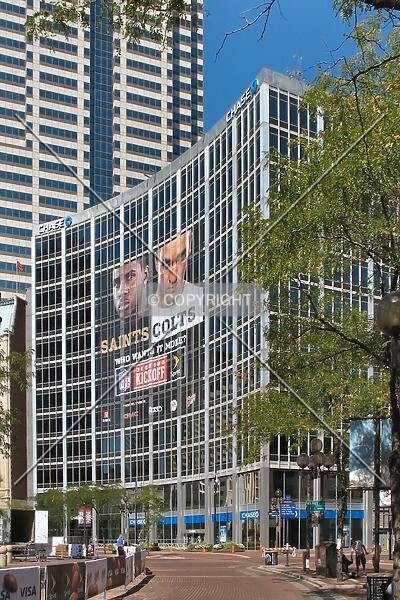
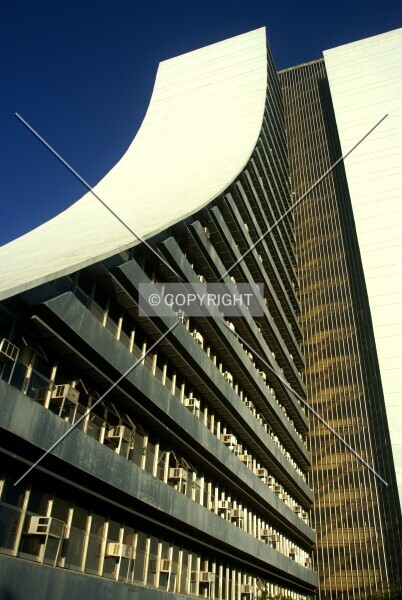
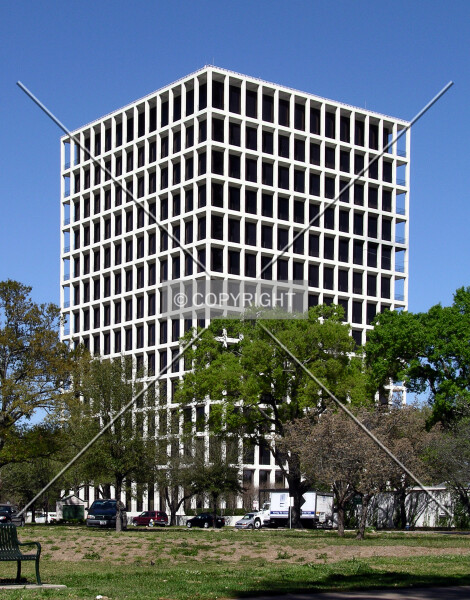
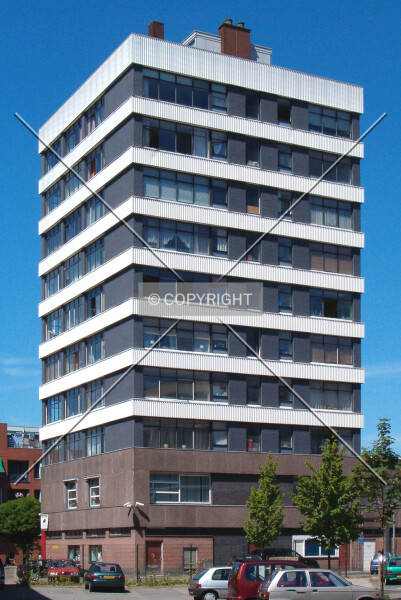
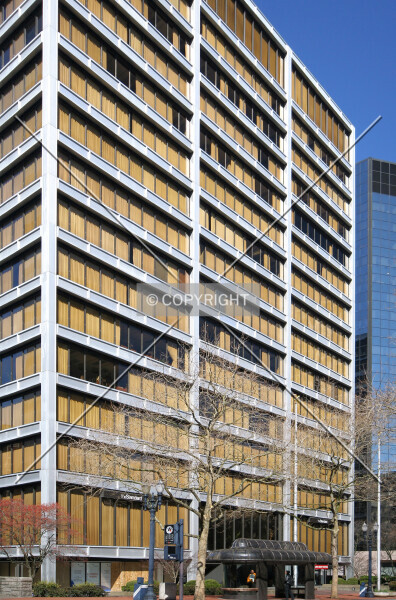
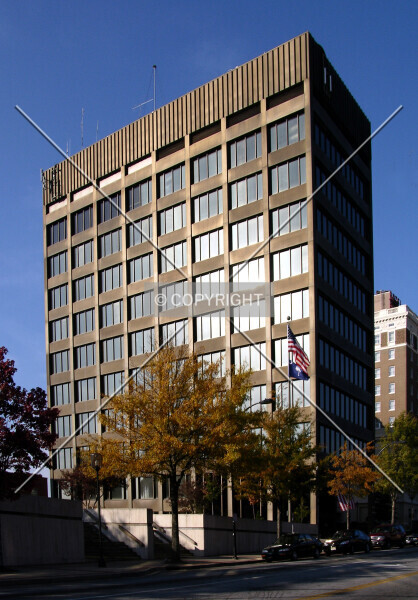
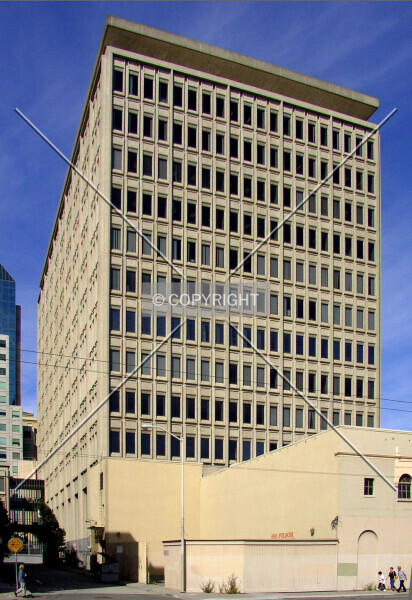
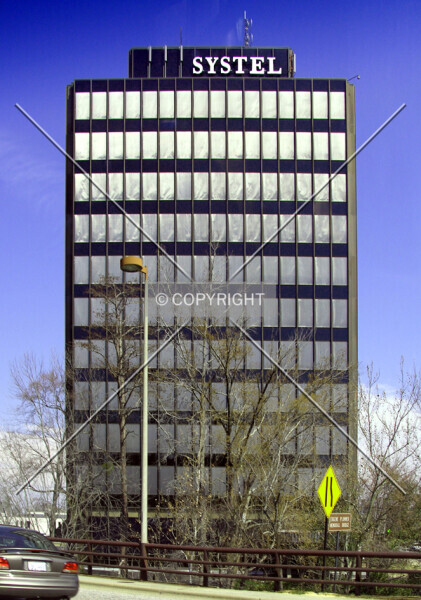
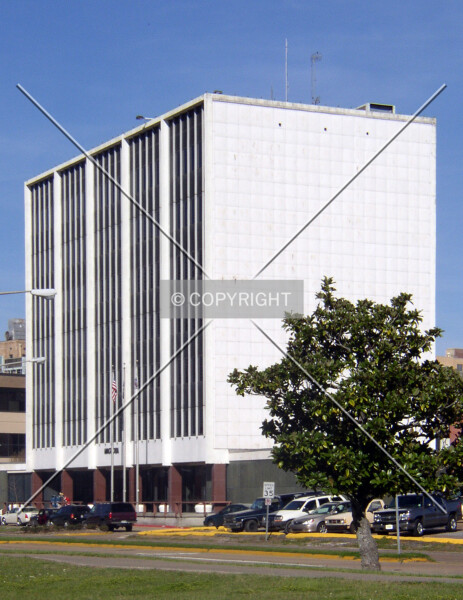
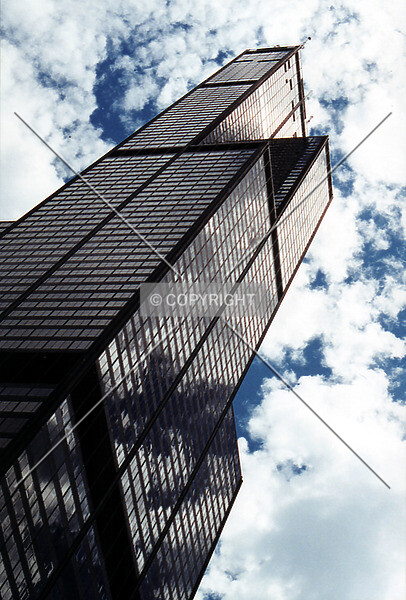
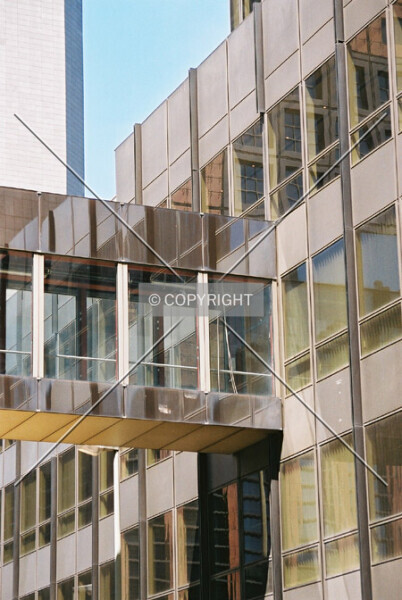
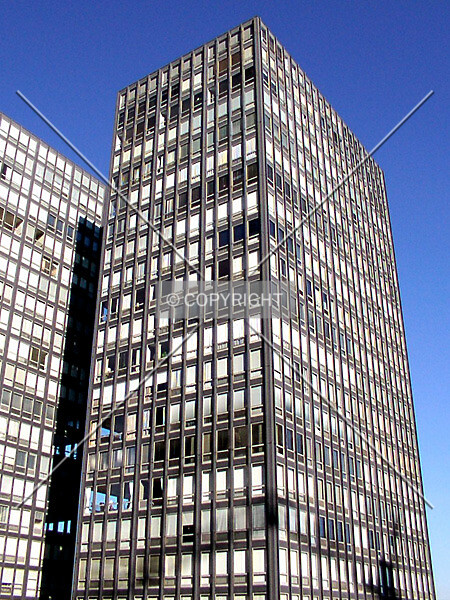
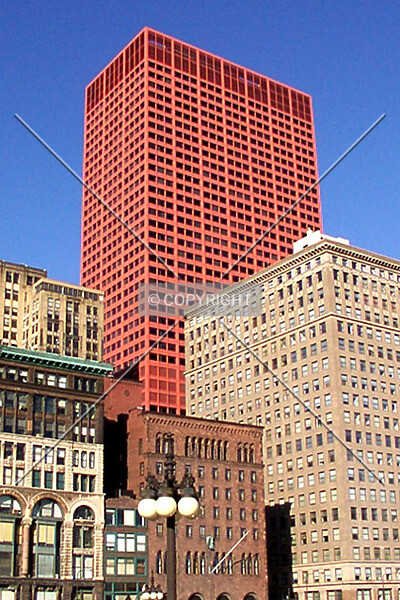
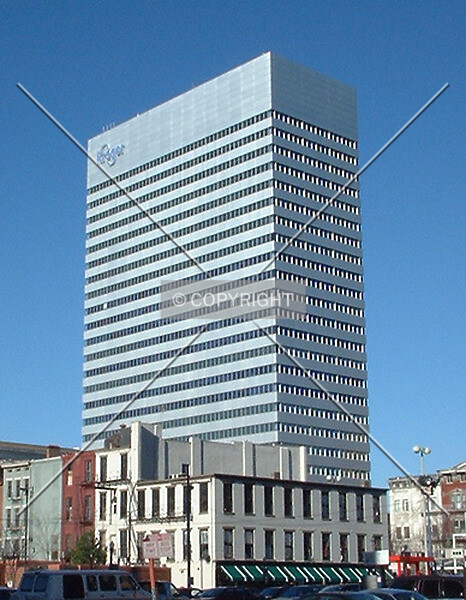
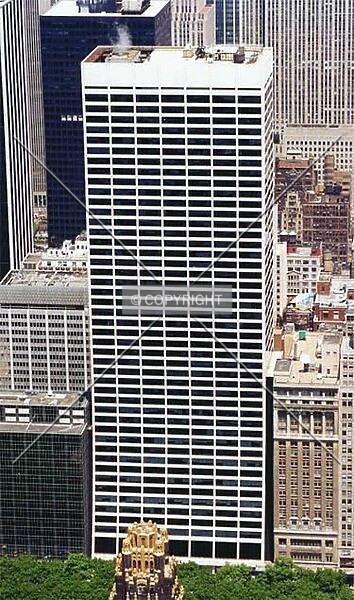
The International Style is the purest and most minimal form of modernism. It originated in a number of movements from Germany and The Netherlands in the 1920s, especially the Bauhaus but also influenced by de Stijl and the German Werkbund. Its designs are generally simple prismatic shapes, with flat roofs and uniform arrangements of windows in bands or grids.
The most common materials in International Style buildings are glass, steel, aluminum, concrete, and sometimes brick infill. Plaster, travertine marble, and polished stone are common on the interiors.
The leader of the Bauhaus School and a founder of the International Style was the architect Walter Gropius. Another Bauhaus architect, Ludwig Mies van der Rohe, is the most famous and influential figure in the movement. The Finnish architect Alvar Aalto another famous and original contributor to this style.
Approximate Dates: 1930 to 1980
international style Photos


Related definitions
-
art deco
A style of the 1920s and 1930s featuring streamlined shapes and restricted ornamentation. -
art moderne
A streamlined architectural development of Art Deco, with smooth forms, rounded corners, and little applied ornament. -
art nouveau
An idiosyncratic style of the early 20th century based on naturalistic and highly imaginative forms and decoration. -
arts and crafts
Architecture of the late 19th and early 20th centuries which emphasizes the handmade or non-industrial features of its design. -
brutalist
Modern architecture using heavy and massive forms, preferring an appearance of strength to elegance. -
chicago school
A pre-modern style that emphasizes the simplicity and modular regularity of a building's skeletal framework. -
deconstructivist
Architecture which mixes a modernist vocabulary with an anti-rational flair. -
early modern
A transition between art moderne and standard modernism, often with traces of neoclassical features. -
expressionist
Architecture rooted in early 20th century Germany with bold simple forms and effusions of angular or organic lines. -
folk art
Fantastic or unconventional architecture which relies on crafted ornamentation and non-standardized forms. -
googie
Jazzy and futuristic architecture of the 1950s and 1960s evoking the Space Age. -
modern
Architecture from the mid-20th century onwards, with simple forms suited to mass production of building materials. -
prairie school
Architecture influenced by Frank Lloyd Wright, with natural materials and broad horizontal lines. -
shingle style
A domestic style characterized by simple lines, broad gables, gentle curves, and rustic materials. -
structural expressionist
Architecture which gives the appearance of high technology by emphasizing its structural elements.