
definition
strict definition
chateauesque
A revival of the elaborate, castle-like architecture of French Renaissance chateaus.
Pictured: Biltmore Estate
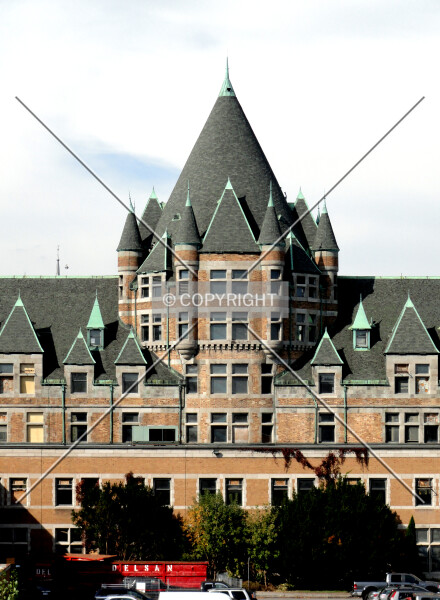
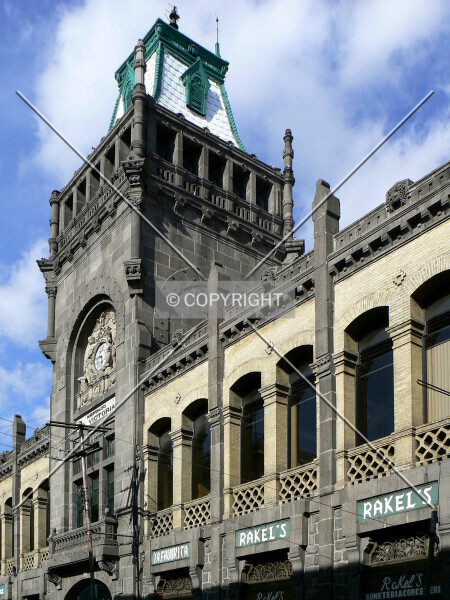
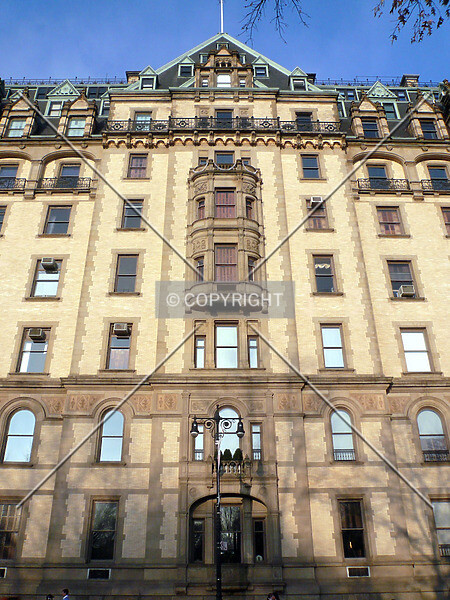
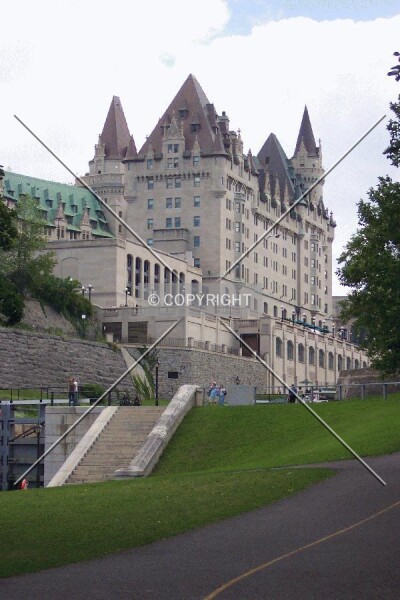
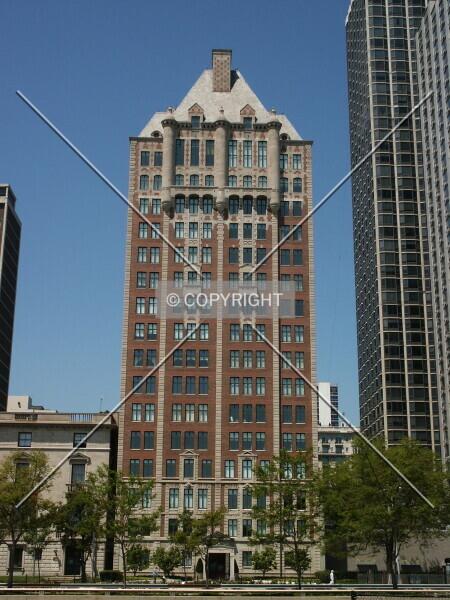
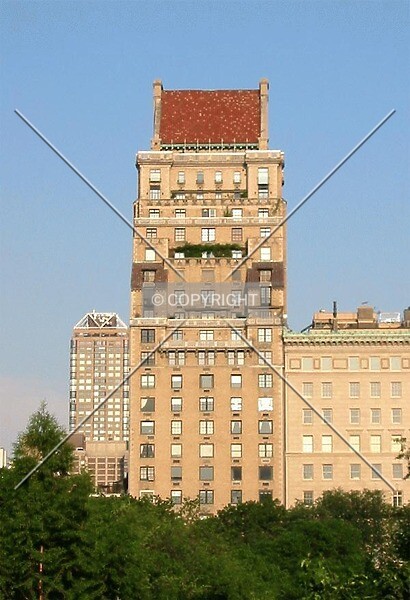
Chateauesque architecture is a revival of the elaborate, castle-like styles of French Renaissance chateaus, especially those of the 16th century. The style may be applied to high-rise residential buildings as well as houses and large hotels.
Approximate Dates: 1880 to 1930
Steep roofs and towers or turrets give the composition its chateau-like form. Elaborate roofline details can retain a fortified appearance even where the building is a house, hotel, or residential block.
chateauesque Photos
Related definitions
-
beaux-arts
Baroque revival architecture of the late 19th and early 20th centuries with elaborate ornamentation and an emphasis on hierarchies of space. -
egyptian revival
Architecture of the 19th and early 20th centuries that uses ancient Egyptian forms and ornament. -
italianate
Architecture based on features of Italian Renaissance villas, with rectangular forms, projecting cornices, and decorative borders. -
mayan revival
An early twentieth-century revival of Maya architectural forms, imitated stonework, script, and ornament. -
moorish revival
A romantic revival of Mudéjar or classical Moorish architecture of Spain and North Africa. -
neo-baroque
A revival of baroque architectural forms and motifs in the 19th and early 20th centuries. -
neo-byzantine
A 19th and 20th century revival of Byzantine architecture, with domes, centralized plans, and Near-Eastern ornament. -
neo-classical
A conservative application of classical Greek and Roman design features, including columns, arches, and pediments. -
neo-gothic
Application of gothic forms to buildings of the 19th and 20th centuries, especially pointed arches, elaborate tracery, buttresses, and sharp spires. -
neo-renaissance
An adaptation of Italian Renaissance features to buildings of the late 19th and early 20th centuries, with restrained classical ornament. -
neo-romanesque
A revival of Romanesque architecture, characterized by heavily rusticated stonework, rounded arches, large forms, and steep roofs. -
neo-traditionalism
Architecture after 1980 that imitates historic ornamental styles literally, sometimes in a more abstract way. -
oriental revival
Traditional East Asian architectural forms applied to modern and postmodern designs. -
postmodern
Architecture after 1970 which plays creatively with ornamentation or massing derived retroactively from historical styles. -
queen anne
A mainly residential style featuring complex shapes with turrets, strong ornamentation, and varied coloring. -
second empire
Architecture belonging to or derived from the dominant Parisian style of the 1870s, with ornate facades and mansard roofs. -
soviet classicism
A highly formal and ornamental neoclassical style associated with Soviet and Eastern European institutional architecture. -
spanish revival
A revival of old Spanish and Moorish styles characterized by flamboyant ornament and bright colors. -
swiss chalet
A vernacular Alpine domestic style using wide gables, overhanging eaves, and exposed wood framing. -
tudor revival
Architecture of the 19th and 20th centuries based on English Tudor domestic styles, usually with half-timbering and steeply pitched roofs.