


beaux-arts
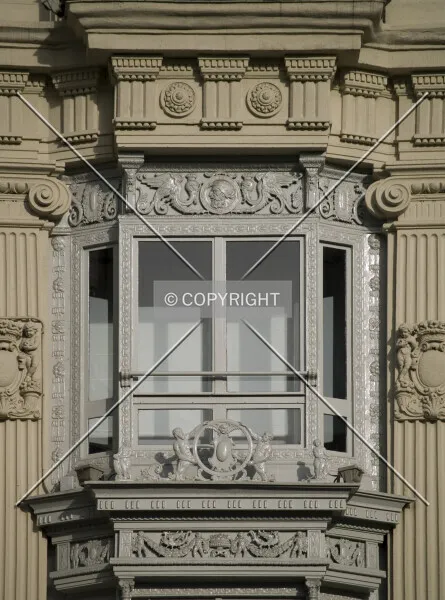
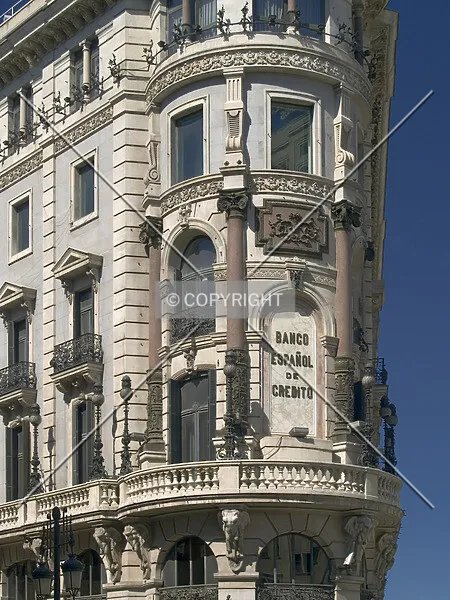
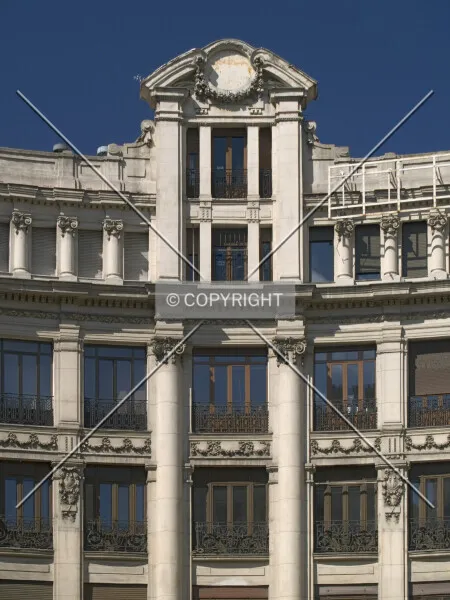
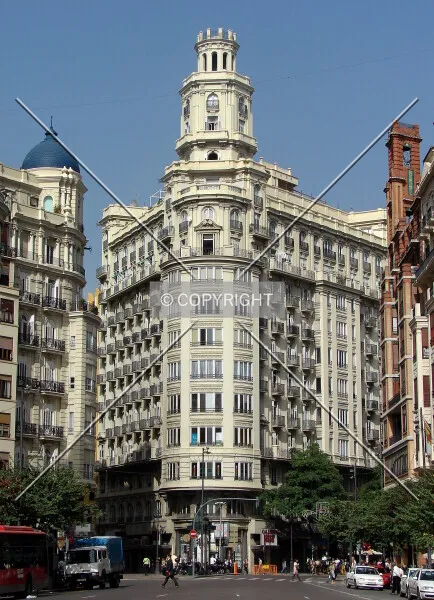
Baroque revival architecture of the late 19th and early 20th centuries with elaborate ornamentation and an emphasis on hierarchies of space.
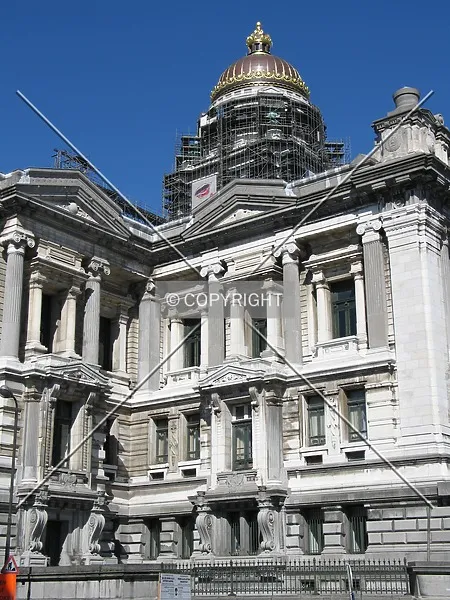
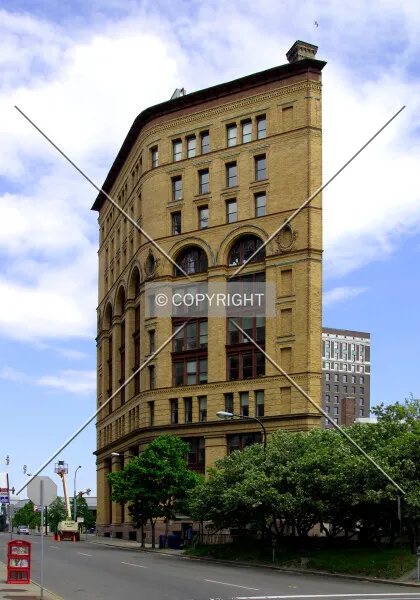
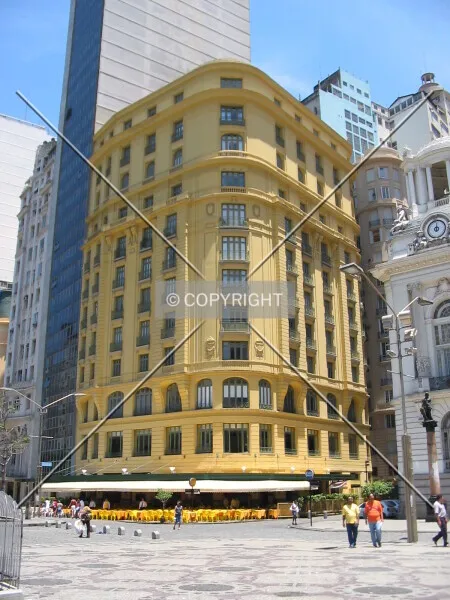
Named after the Êcole des Beaux-Arts in Paris, the beaux-arts style is characterized by disciplined manipulation of classical architectural forms with reliance on the Greek and Roman traditions. It differs from neo-classicism by embracing the exuberance of baroque architecture in addition to the rationality of ancient classicism.
Hallmarks of beaux-arts design include paired columns, nested forms (large motifs enclosing smaller ones), tall parapets or balustrades, and strong central features such as domes, projecting façades, and pavilions.
Ornamentation tends to be very rich in beaux-arts architecture. Garlands, wreaths, cartouches, and human statuary are common. Structures tend to be monumental, with columns and arches several stories high.
Approximate Dates: 1870 to 1930