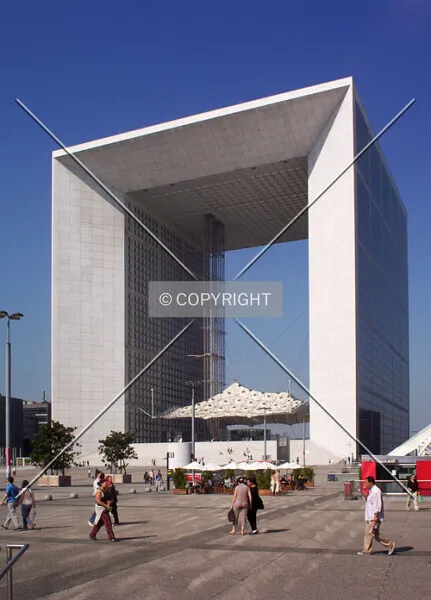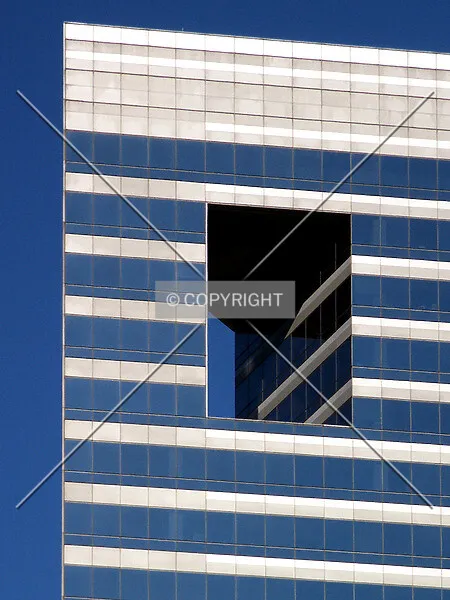




hole
An architectural void penetrating through a building's mass, more significant than a mere passageway.
Pictured: Umeda Sky Building
An architectural hole is a prominent void penetrating through a building from one facade to another, forming an opening far larger than would be required for practical uses such as transportation or ventilation. It does not include tunnels or other such passageways through a building. It must penetrate horizontally or diagonally; a vertical opening such as a light court or courtyard does not count as a hole.
This feature is generally reserved for multi-floor buildings, especially tall buildings. It does not apply to structural forms such as arches or sculptures, where the existence of a hole would be insignificant or assumed. However, it may be used for a multi-floor building that forms an archway.
Architectural holes are often major works of engineering, and have become more common since the later decades of the 20th century. They are featured in various architectural styles, but are commonly associated with deconstructivism.