
rubble masonry
A facade made of uncut stones fitted together loosely or approximately, not in regular courses or patterns.
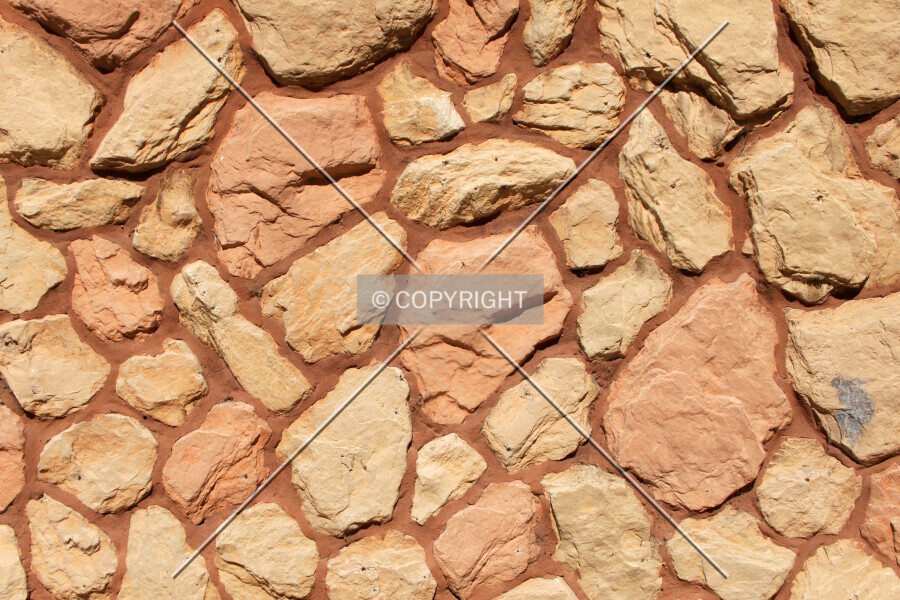
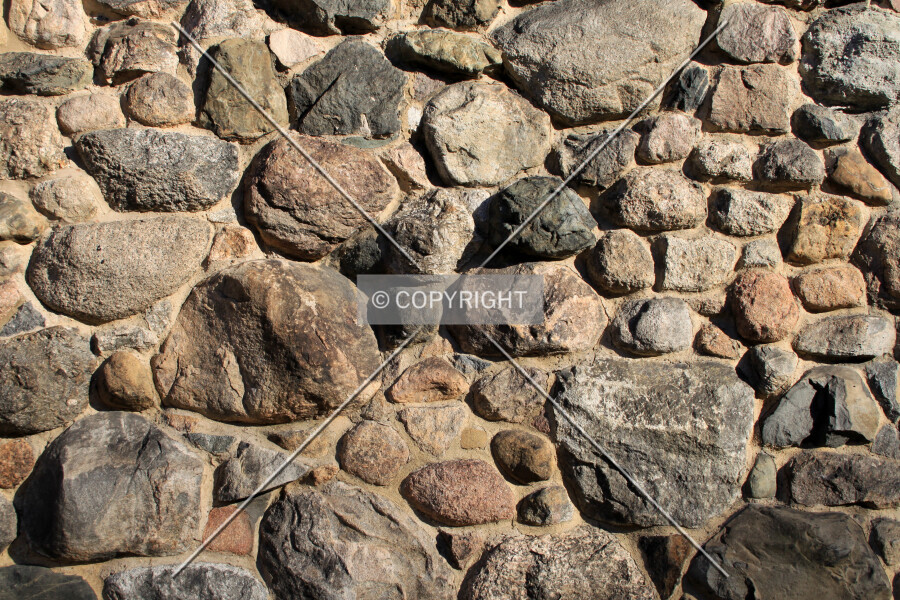
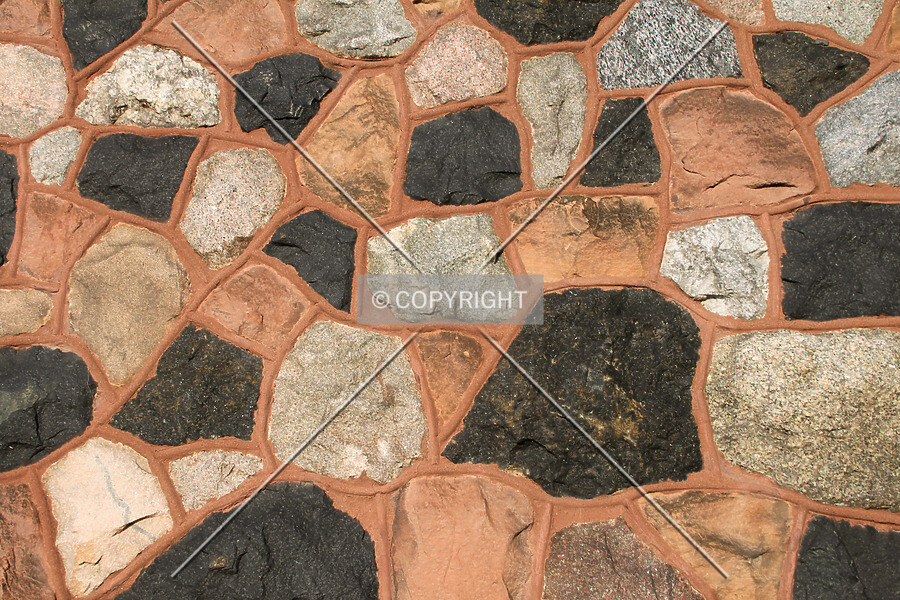
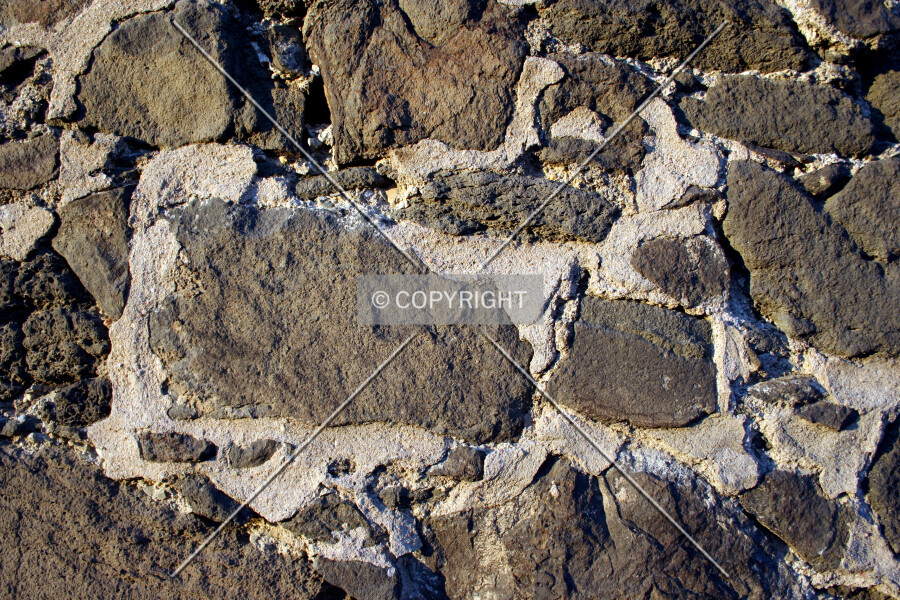
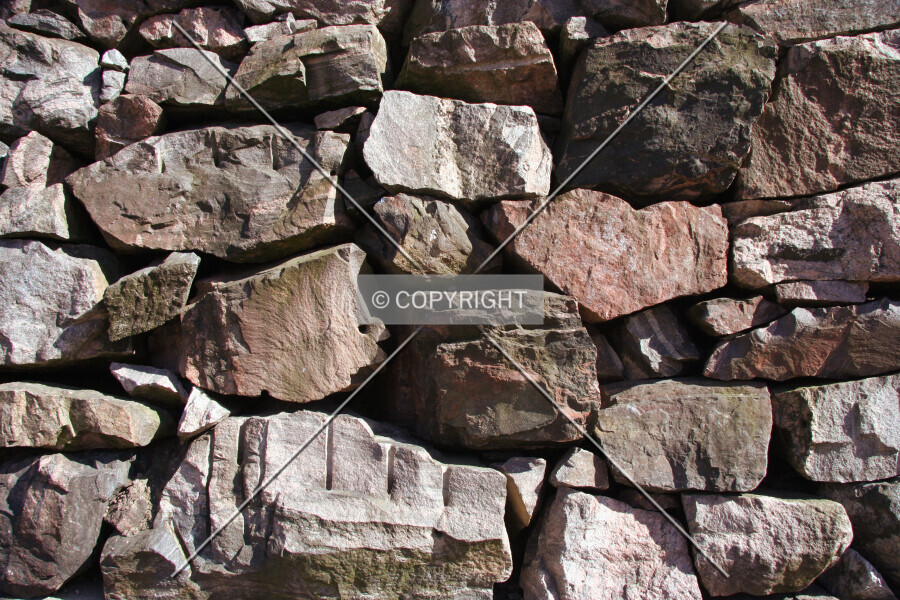
Rubble masonry is a facade system using the materials of masonry but constructed without arranging the units in regular courses or patterns. The stones or other units of rubble masonry are generally uncarved and cannot be matched together exactly - therefore the uneven spaces between them are filled with mortar of varying thickness, or left unfilled if the pieces lend themselves to structurally stable stacking. Construction of rubble masonry may require formwork until the mortar dries.
This system is often used in building facades (or on structures like bridges) for an intentionally rustic effect.
Mortar is not mandatory where the pieces can be stacked stably without it. The irregular fit and lack of regular courses distinguish this system from fitted masonry.
rubble masonry Photos
Related definitions
-
curtain wall
A continuous facade of panels joined to a metal support frame hung outside the building framework. -
double skin
A facade with two separate skins enclosing a continuous cavity that can contain naturally or mechanically ventilated air. -
frame + infill
A facade where the framework grid is exposed, and each opening is filled by windows or any other facade materials. -
logs
A facade of parallel rounded logs joined along their long sides, usually horizontally but also vertically. -
masonry
A facade of fitted blocks stacked in regular courses or patterns, with the units bearing on those below. -
panels
A facade formed by many independent bordering sheets mounted onto the framework. -
plastered coating
A facade covered by a layer of protective or decorative material other than paint, which is applied in wet form. -
shear wall
A facade formed by an exposed continuous structural wall, potentially perforated by windows or doors. -
sheeting
A facade formed by a continuous sheet or membrane mounted over the framework. -
shingles
A facade of many small, thin, flat pieces arranged so that upper pieces overlap the pieces below. -
slats
A facade of parallel long, thin strips fitted flush against neighboring strips without overlapping. -
tiles
A facade composed of many hard units which are individually mounted to a back surface. -
trained plants
A facade constructed out of living plants trained or planted to form an intended shape. -
weatherboarding
A facade of horizontal parallel boards or slats, each angled outward at the bottom to overlap the piece below.