
definition
strict definition
natural history museum
A museum with a variety of exhibits on life forms, minerals, anthropology, and other topics related to the natural world.
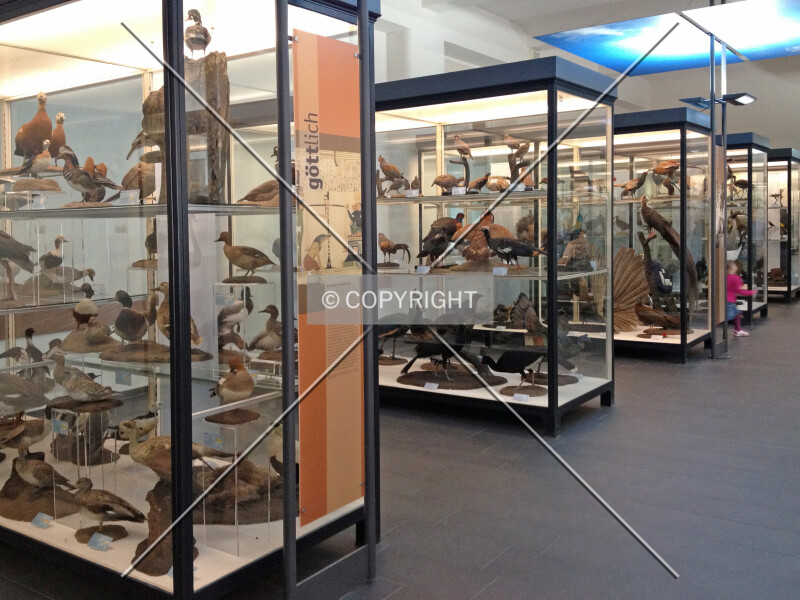
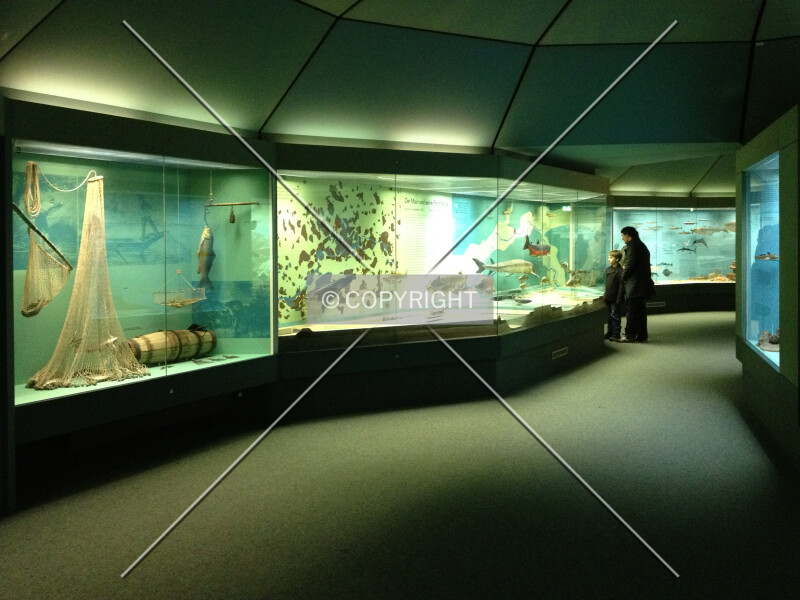
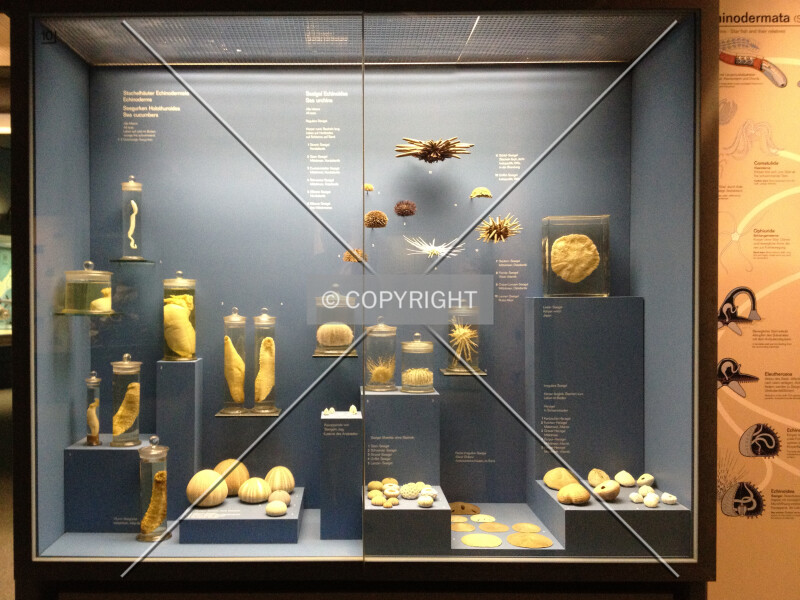
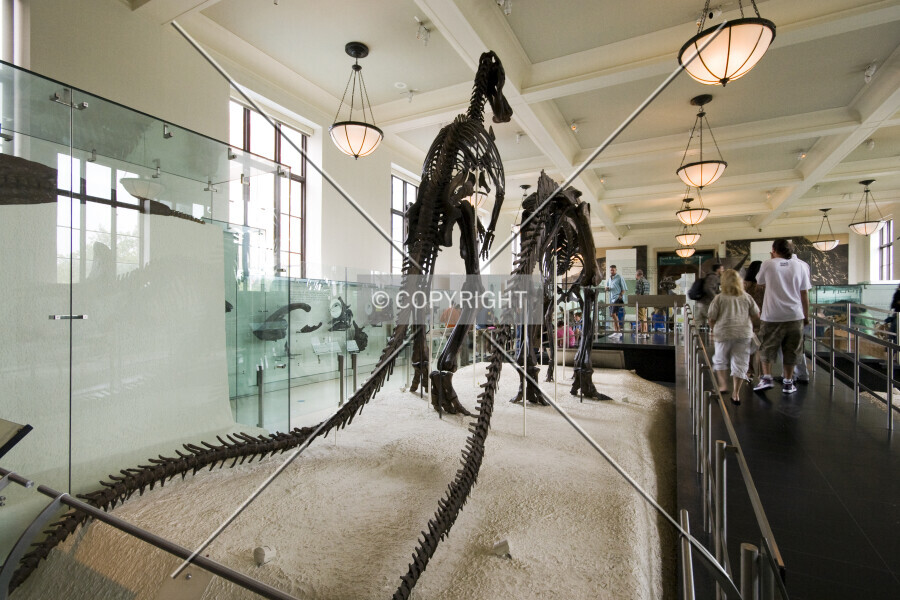
A natural history museum is a common type of museum which contains a large variety of nature-themed exhibits, often including displays on evolutionary biology, ecosystems, minerals, prehistoric humans, and related topics. Typical centerpieces of such museums are fossilized skeletons.
The exhibits cover a variety of topics in the natural world. Fossils can be prominent without being required as the centerpiece of every natural history museum.
The collection can include human prehistory alongside other biological and geological topics. A general museum of human historical events has a separate history museum meaning.
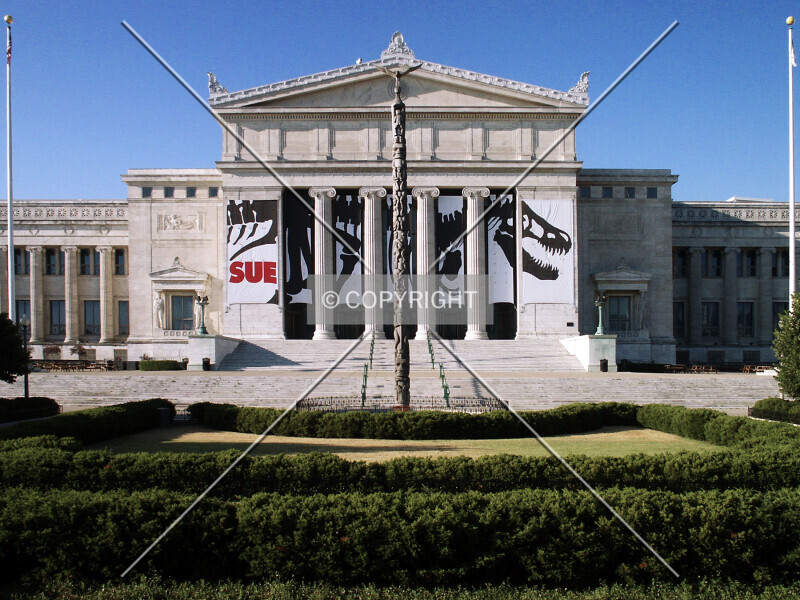
natural history museum Photos


Related definitions
-
applied arts museum
A museum specializing in the application of design to common and manufactured objects. -
art exhibition
Public gallery space for temporary exhibits of paintings and other artworks. -
children's museum
A public play space or learning center with interactive museum-like exhibits. -
fine arts museum
A museum preserving and displaying fine artworks from a permanent collection, distinct from temporary exhibitions and sales galleries. -
hall of fame
A place dedicated to enshrining persons or entities which have excelled in a particular field. -
history museum
A place for exhibits about the historic past, usually with a specific focus. -
planetarium
A facility presenting projected simulations of astronomical views and events on a large, usually domed ceiling. -
preserved site
A structure open to visitors to view its own architecture, history, or original use, including house museums. -
science/technology museum
A museum specializing in various topics related to scientific discoveries and technological developments. -
themed museum
A public space devoted to exhibits on a specific subject, which is not covered by any general category of museum.