
definition
strict definition
history museum
A place for exhibits about the historic past, usually with a specific focus.
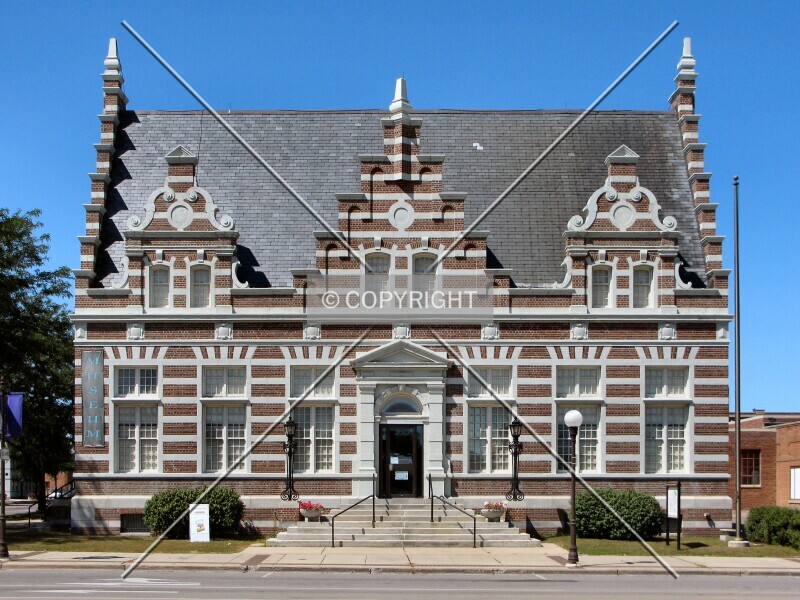
A history museum is a public place for educational exhibits about some particular segment of history. Such museums are usually limited to the history of a particular place, time period, person, movement, or topic, but are general enough to avoid classification as theme museums.
Historical museums do not include museums of art history which concentrate on actual artworks, nor do they include general museums of natural history.
The exhibits provide historical education within a defined scope. A focus on a place or period can still be broad enough to distinguish the museum from a narrowly themed museum.
history museum Photos
Related definitions
-
applied arts museum
A museum specializing in the application of design to common and manufactured objects. -
art exhibition
Public gallery space for temporary exhibits of paintings and other artworks. -
children's museum
A public play space or learning center with interactive museum-like exhibits. -
fine arts museum
A museum preserving and displaying fine artworks from a permanent collection, distinct from temporary exhibitions and sales galleries. -
hall of fame
A place dedicated to enshrining persons or entities which have excelled in a particular field. -
natural history museum
A museum with a variety of exhibits on life forms, minerals, anthropology, and other topics related to the natural world. -
planetarium
A facility presenting projected simulations of astronomical views and events on a large, usually domed ceiling. -
preserved site
A structure open to visitors to view its own architecture, history, or original use, including house museums. -
science/technology museum
A museum specializing in various topics related to scientific discoveries and technological developments. -
themed museum
A public space devoted to exhibits on a specific subject, which is not covered by any general category of museum.