
civil defense
Spaces and structures used for protection of citizenry and maintaining social order.
Civil defense refers to all areas of activity which pertain directly to the maintenance of social order and the safety of the population. This includes protection from disasters, accidents, medical threats, criminal activity, terrorist attacks, and wartime aggression.
The scope includes direct protection against both everyday emergencies and exceptional events. It is not limited to wartime sheltering: police operations, firefighting, and disaster response also fall within the stated protective purpose.
Specific uses identify how protection is provided. An air raid shelter provides refuge, an air raid defense position engages attacking aircraft, and an emergency call center receives calls and relays them to responders.
civil defense Photos
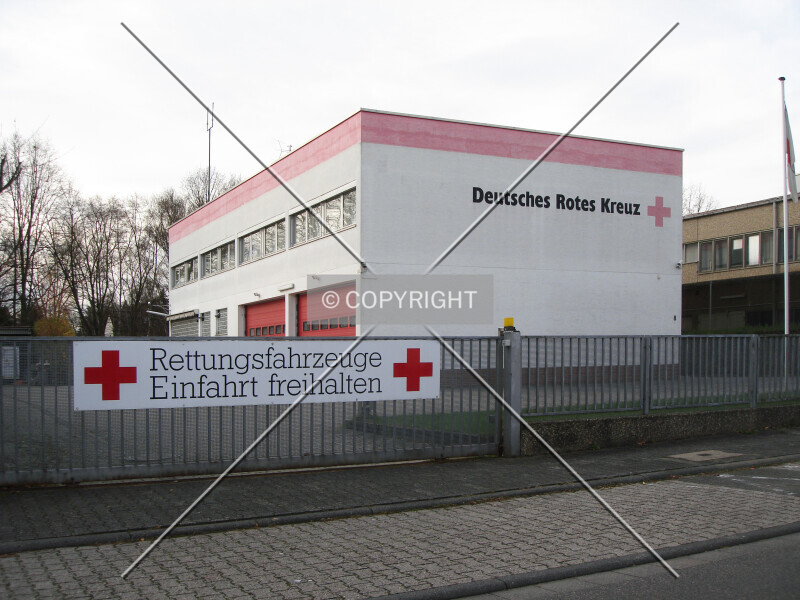
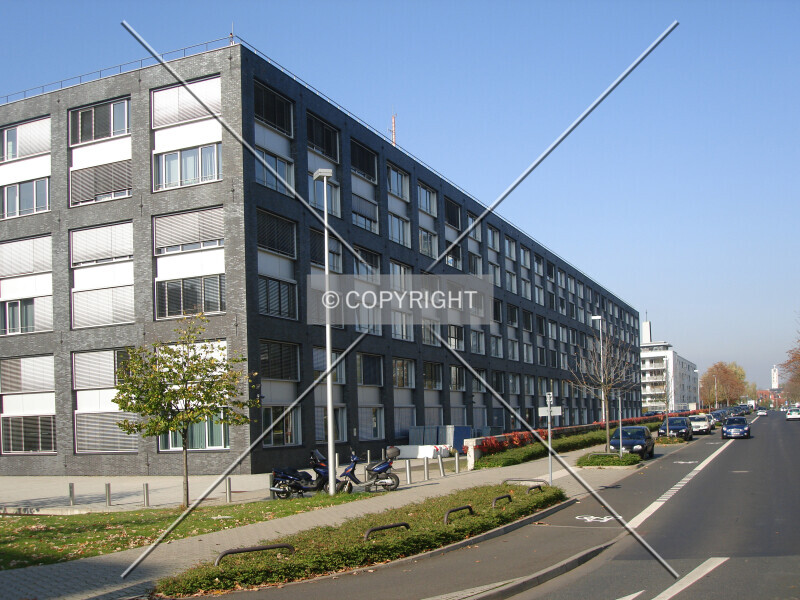
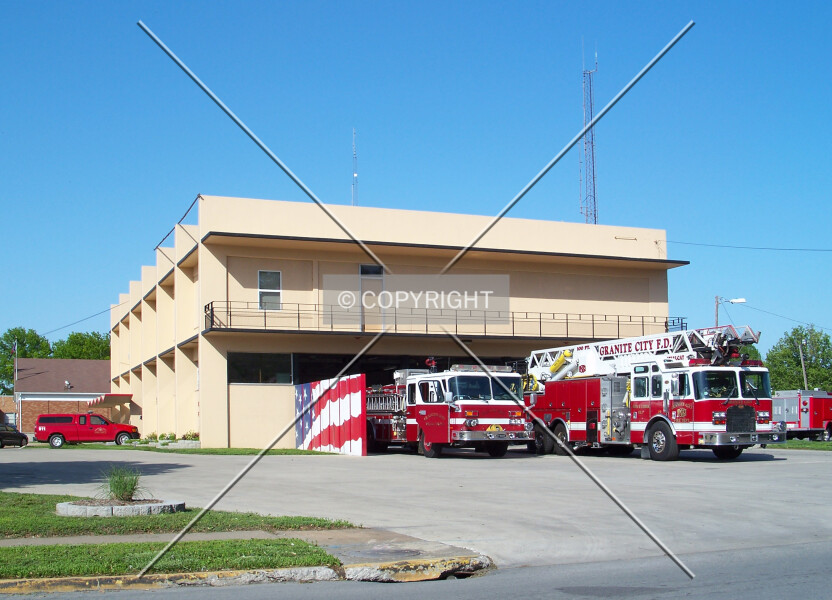
More specific definitions
9 sub-definitions-
air raid defense
A ground-based defensive position designed to engage attacking aircraft, including flak towers and gun emplacements. -
air raid shelter
A space specially designed and designated to protect people during bombardment or air raids. -
ambulance station
A base where ambulances, emergency medical personnel, and equipment are kept ready for deployment. -
disaster control
Space used for mobilization of personnel or resources to control the effects of catastrophes. -
emergency call center
A place that receives emergency telephone calls and relays them to the appropriate responders. -
fire station
A building or complex used to keep firefighting crews and equipment ready and mobilize them for emergencies. -
police headquarters
The administrative offices of a municipal or governmental police department. -
police station
An operational base where a public police force mobilizes personnel and provides law-enforcement services. -
traffic enforcement
A location used directly to detect or enforce traffic-law violations, through personnel or automatic equipment.
Related definitions
-
diplomacy
Facilities for a country's diplomatic representation abroad or its mission to an international body, with associated services. -
government office
Administrative premises used by government institutions, including ministries, military offices, and service administration. -
judiciary
Governmental court facilities and supporting judicial sites, including confinement before trial and incarceration under sentences. -
legislation
Government buildings used for making laws and for meetings of legislatures, parliaments, or municipal councils. -
military
Places for armed forces under a government to train, exercise, test weapons, and conduct related military activities.