
definition
strict definition
architectural division
Modules which are determined by outward physical characteristics and changes across time.
Architectural divisions of a structure are modules (i.e. parts of the structure) defined by physical and temporal demarcations. These include sections of structures that are marked off by walls, by differences in shape or appearance, by date of construction, or by historical events.
The division can follow a visible boundary or a difference in construction history. A wing has a geometric distinction, while an addition follows later attached construction.
An incarnation describes a period in the structure's existence. Temporal and physical divisions can therefore describe different aspects of the same structure.
architectural division Photos
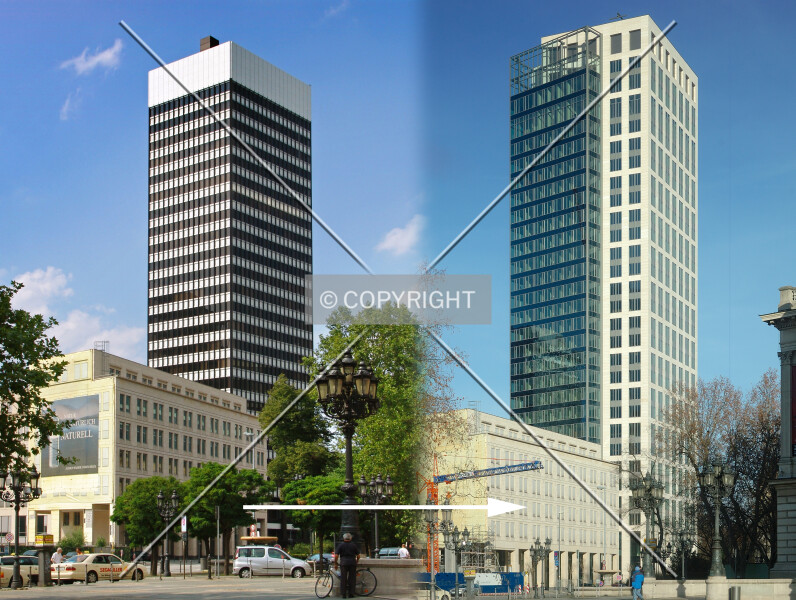

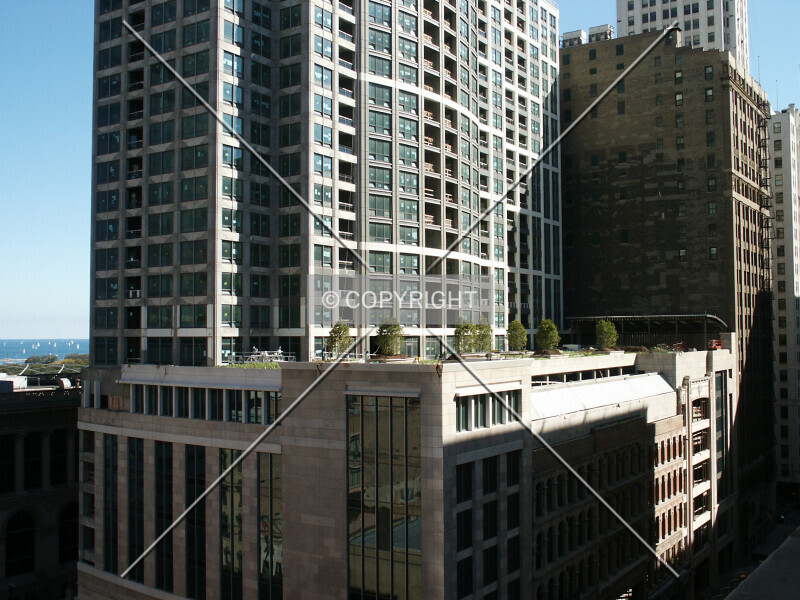
More specific definitions
7 sub-definitions-
addition
An attached section constructed after the original building or structure had been completed. -
incarnation
A temporal phase in a structure's existence, delineated by major changes in the structure. -
podium
A distinct base section, either spread out at the foot of a building or holding entirely different internal areas. -
satellite
A detached part of a structure which nevertheless belongs to that structure as an integral part. -
setback block
A section of a building distinguished from the parts below it by a setback in the building perimeter. -
subtraction
A section removed or intended to be removed from a structure by demolition or destruction. -
wing
A horizontally projecting building section distinguished by narrowness or orientation, excluding separately built later additions.
Related definitions
-
entrance
A point connecting a structure with the surrounding open traffic network for passage of people, vehicles, or goods. -
floor
An entire internal level of a building, bounded by its floorplate and the next floorplate or roof above. -
internal zone
A module defined by an interior division within a building or other structure, rather than by the whole object.