
address format
The way an address is written, depending on the locality and its postal standards.
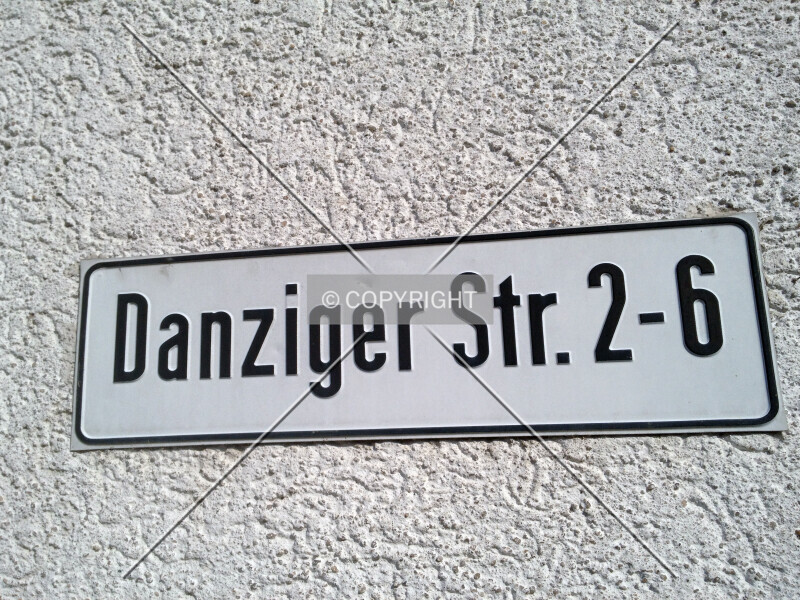
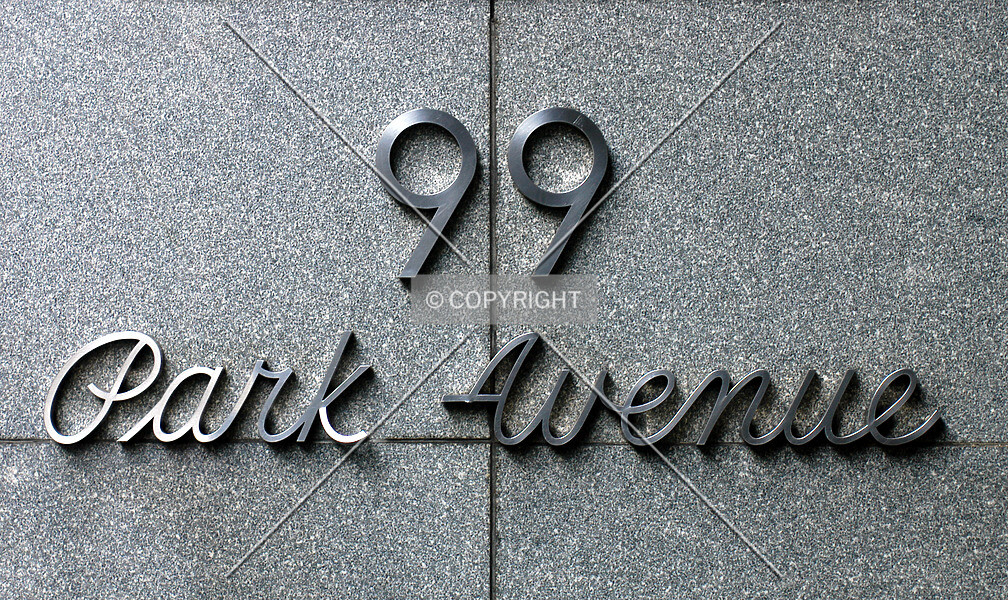
The address format of any locality consists of the elements used in composing exact addresses, and the syntax for ordering them into a properly specified address. For example, certain places put the house number before the street name, while others reverse this order or use a different system altogether.
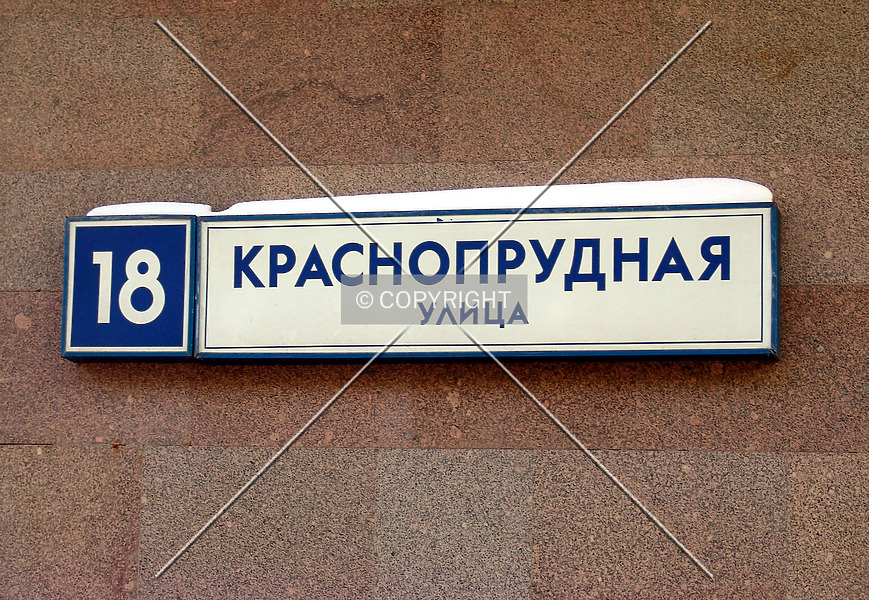
The format determines how the address components fit together in writing. Street-first and number-first formats can identify the same kinds of components while placing them in a different order.
The address sequence instead describes the arrangement of numbered properties along a street or block. Written syntax and spatial numbering are separate aspects of an address system.
address format Photos
More specific definitions
6 sub-definitions-
japanese format
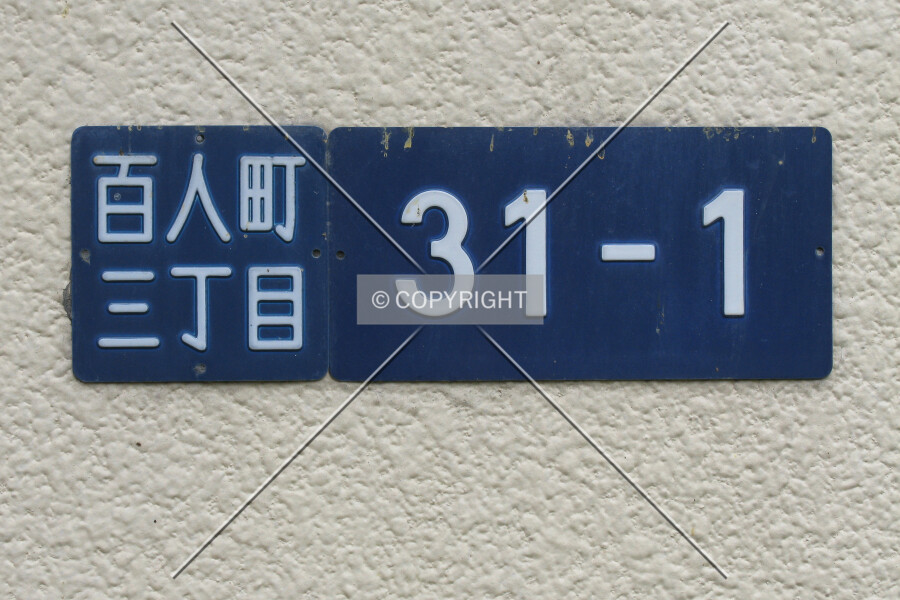
Addresses written in the prevailing Japanese format, incorporating location numbers and district names. -
korean format
Addresses written in the South Korean format, incorporating a numeric house number in combination with text locators. -
number-comma-street format
Addresses written with the house number first, then the street name, separated by a comma. -
number-street format
Addresses written with the house number first, then the street name, without a comma. -
street-comma-number format
Addresses written with the street name first, then the house number, separated by a comma. -
street-number format
Addresses written with the street name first, then the house number, without a comma.
Related definitions
-
address sequence
The spatial arrangement of house numbers relative to one another along a street or within a block. -
address type
An indicator of how official any applicable house number is with respect to a given property. -
location number
A number or alphanumeric string which indicates the precise location of an object. -
maximum address number
The highest house number that occurs on a street, marking the upper end of its address range.