
damage event
A notable event causing significant damage during construction or existence, outside ordinary demolition activity.
A damage event is a notable occurrence during the construction or existence phases of an object's lifespan, in which the object is significantly damaged. This does not include destruction, wrecking, or disassembly in its demolition phase except as an unexpected precipitator of the object's destruction.
Damage events can leave the building standing in a functional state, reduced to ruins, or completely destroyed. They include various sorts of accidental as well as willful occurrences. Causes may arise from nature, human activity, surrounding objects, flaws in the object itself, or from elsewhere.
The damage can range from a serious impairment of a functioning structure to an occurrence that precipitates its complete destruction. The exclusion concerns ordinary demolition activity, rather than every event with a destructive outcome.
damage event Photos
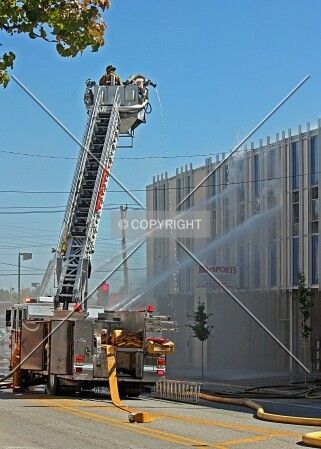
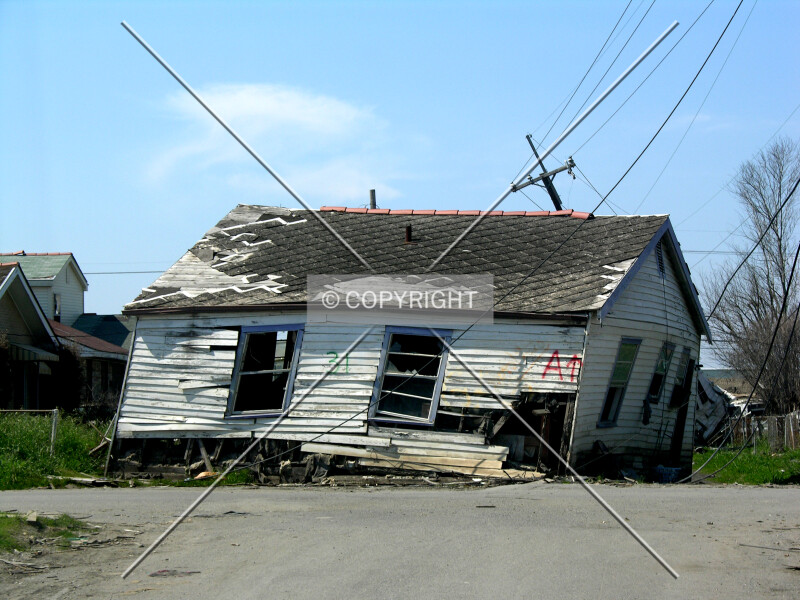
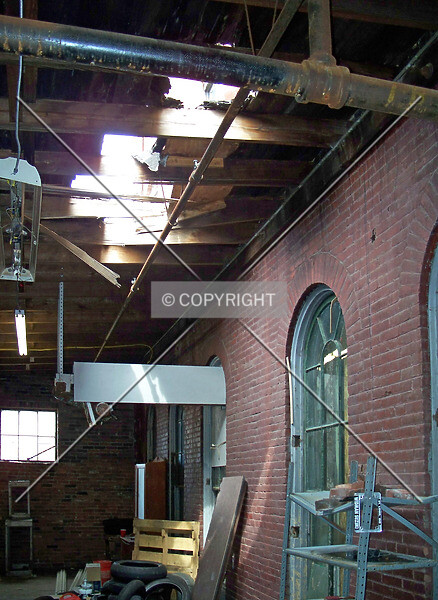
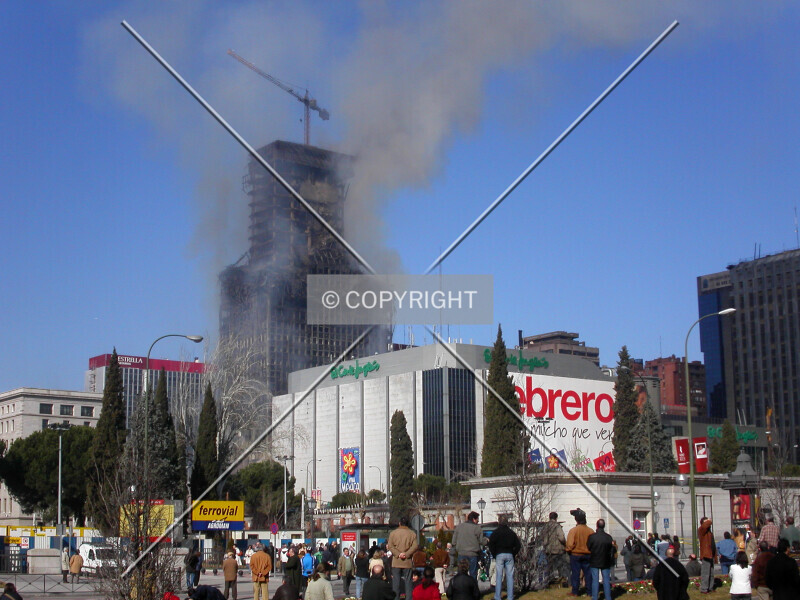
More specific definitions
25 sub-definitions-
damaged by aircraft
A collision with an airplane, helicopter, or other aircraft damages a structure partly or completely. -
damaged by another structure
Impacting material or construction errors from a nearby structure damages a structure partly or completely. -
damaged by avalanche
An accumulated mass of snow, ice, or sludge falls or slides onto a structure and causes notable destruction. -
damaged by bombing
An explosive device damages all or part of a structure outside the owner's deliberate program of demolition. -
damaged by construction errors
Mistakes or inadequacies in a structure's own construction damage it partly or completely. -
damaged by earthquake
Natural earthquake vibrations or ground movements damage or destroy a built object or any of its components. -
damaged by explosion
An explosion of accidental or unknown causes damages a structure partly or completely. -
damaged by falling tree
An impact from a falling tree or branches damages a structure partly or completely. -
damaged by fire
Fire or smoke in a structure or its vicinity degrades, damages, or destroys any of the structure's components. -
damaged by flooding
An inundation with water or other liquid damages a structure partly or completely. -
damaged by hailstorm
Impacts from ice particles falling from clouds damage a structure enough to cause measurable financial loss. -
damaged by hurricane
A tropical storm, including a hurricane, typhoon, or cyclone, damages a structure through wind, rain, or resulting mold. -
damaged by landslide
Impacts from sliding or falling earth or rocks damage a structure partly or completely. -
damaged by lightning
A lightning bolt or natural electric charge damages a structure partly or completely. -
damaged by sandstorm
Windblown sand scratches or impairs a structure or its operational parts enough to cause measurable financial loss. -
damaged by snow overload
The weight of accumulated snow on a structure's roof or sides causes partial or total collapse. -
damaged by soil movements
Shifting or settling ground under a structure damages it partly or completely. -
damaged by theft
Theft of valuable elements damages or destroys a structure, or diminishes its value. -
damaged by tornado
A tornado damages or destroys all or part of a structure through its winds or material carried by those winds. -
damaged by unknown cause
Major structural, functional, or cosmetic damage occurs to a structure, and its cause has not been determined. -
damaged by vandalism
Malicious destruction or defacement, excluding bombing or arson, causes property damage that decreases a structure's value. -
damaged by vehicle
A collision with a boat, road vehicle, or train damages a structure partly or completely. -
damaged by volcanic eruption
A natural volcanic event damages or destroys a structure through lava, ash, hot water, or other volcanic effects. -
damaged by wind
Wind gusts, microbursts, or storms other than hurricanes and tornadoes cause damage to a structure. -
tower crane collapses
A tower crane used in construction or renovation loses structural integrity and largely falls or hangs from the structure.
Related definitions
-
construction event
Events associated with the original construction of a built object or any additions to it. -
demolition event
A lifecycle milestone associated with final demolition, destruction, disassembly, or subsequent reuse of components. -
historic event
A noteworthy occurrence in the lifecycle of an object which is not directly associated with its status or functioning. -
physical alteration
An event associated with physical changes in an object, especially improvements and reconfigurations. -
planning event
Events associated with the planning, design, and development of a built object. -
usage event
A lifecycle event associated with the use, occupancy, management, maintenance, or related activity of an object.