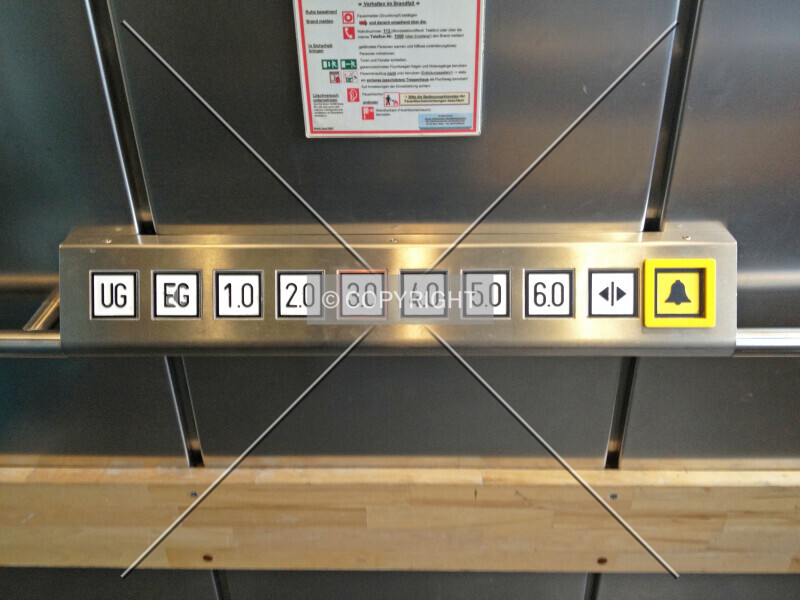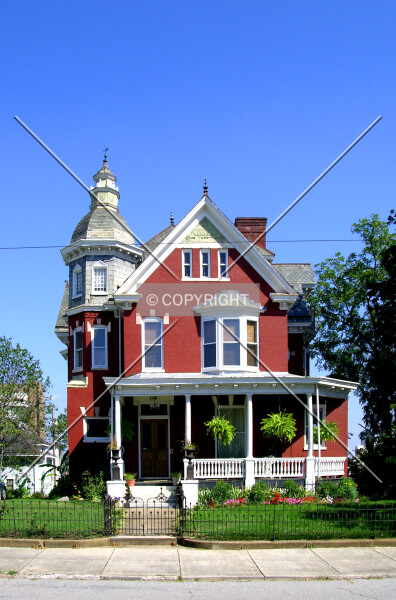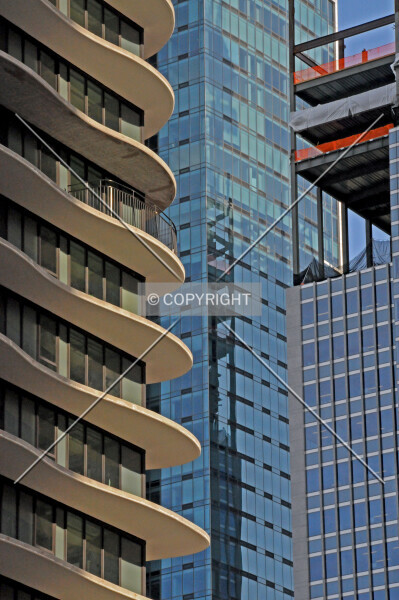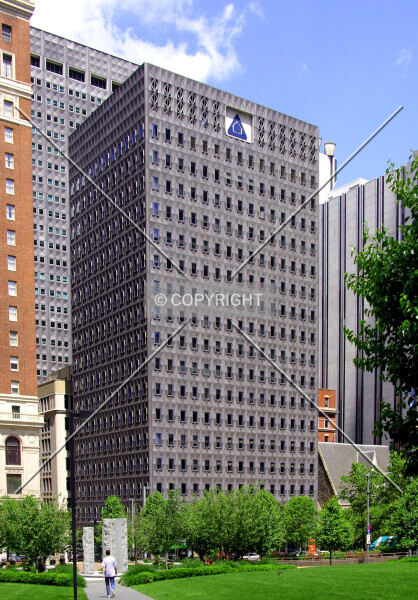
floors above ground
The number of floor levels at or above the building base, including qualifying mezzanines and mechanical floors.
The number of overground floors is the total number of all floor levels whose floorplate is at or above the base of the building. This includes mezzanines and full-width mechanical floors, but does not include half- or partial-height floors (less than standing room), mechanical penthouses, or decorative floors (enclosed areas with no capacity for internal usage). A mechanical penthouse (which does not count as a floor) is any enclosed space at the top of a building which is set back from the perimeter and contains mechanical equipment (without any significant living space). However, any mechanical floor below the top occupied floor, or which is flush with the top occupied floor, does count in the number of floors above ground.
The position of the floorplate relative to the building base determines the above-ground boundary. A floorplate at the base belongs to this count, while one below it belongs to floors underground.
The exclusions concern spaces that do not qualify as floor levels under the stated conditions. The distinction between a top mechanical penthouse and a qualifying mechanical floor depends on its position, setback, and capacity for internal use as described above.
In other languages
- Deutsch
- Die Anzahl von bewohnbaren internen Ebenen oberhalb vom Boden.