
definition
strict definition
usage
The intended purpose of a place, structure, property, or other object at a given time, including while it is vacant.
The usage of any place, property, structure, or other object is the general purpose for which it is intended at any given time. If a place is vacant or unused, the intended usage still applies to it.
Usages are distinguished from amenities, which are subordinate to the usages they belong to (for example a swimming pool in a hotel belongs to the hotel usage, and should not be identified as a usage itself).
Intended use is distinct from the object's physical form and from its momentary occupancy. A vacant place retains its intended use, and a subordinate amenity remains associated with the usage it supports.
usage Photos


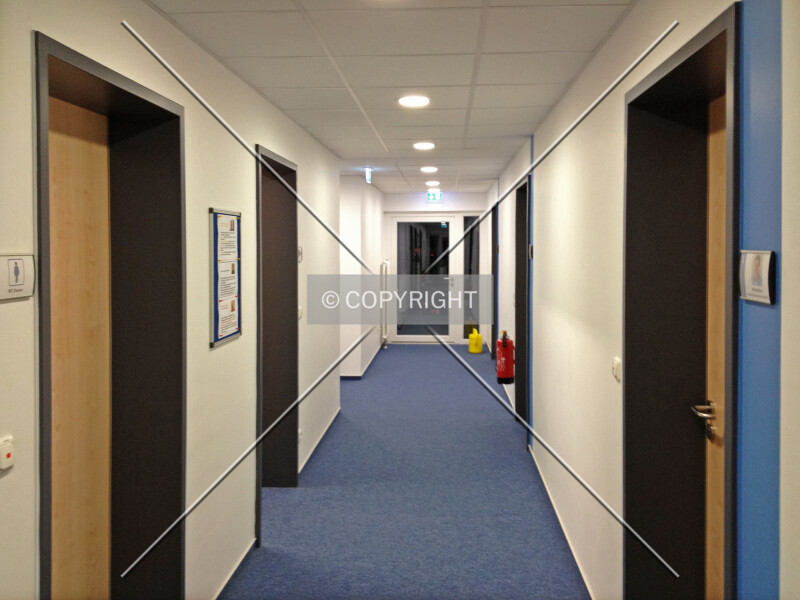
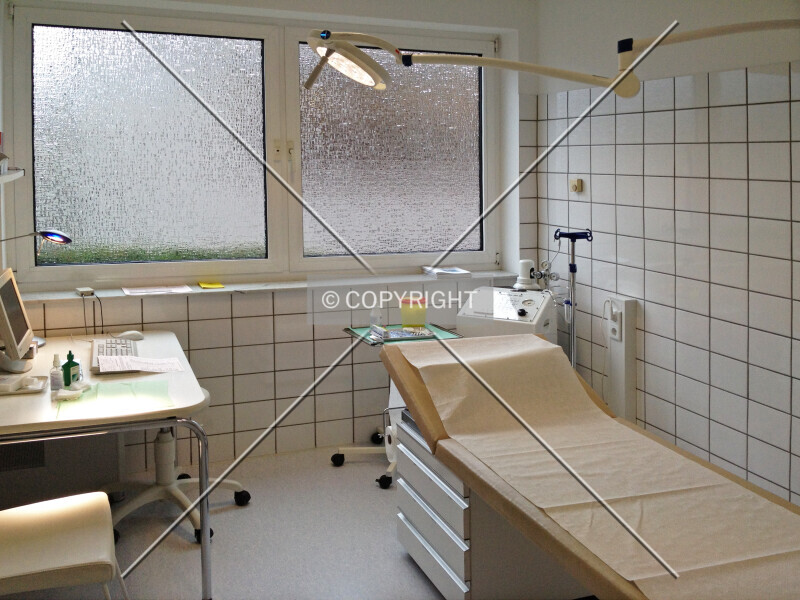

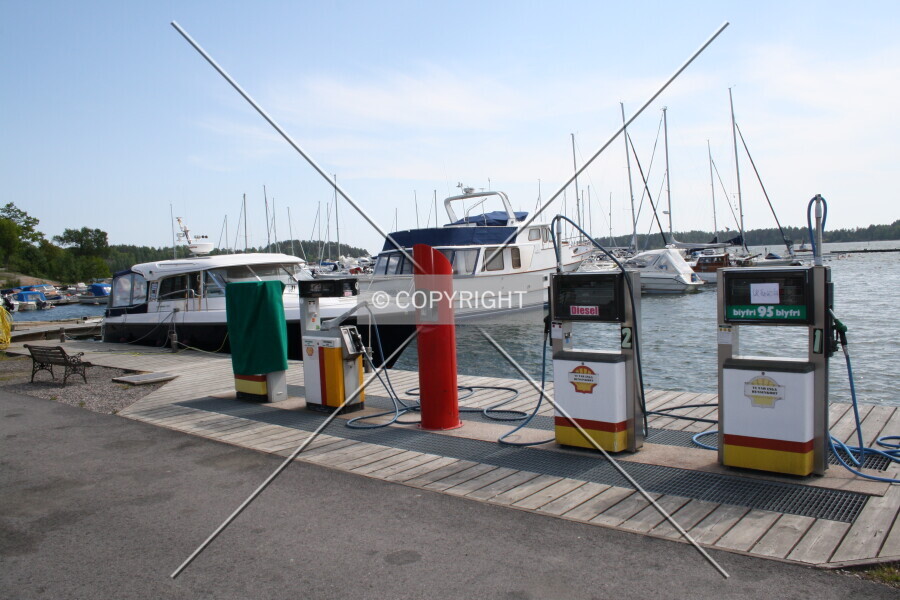
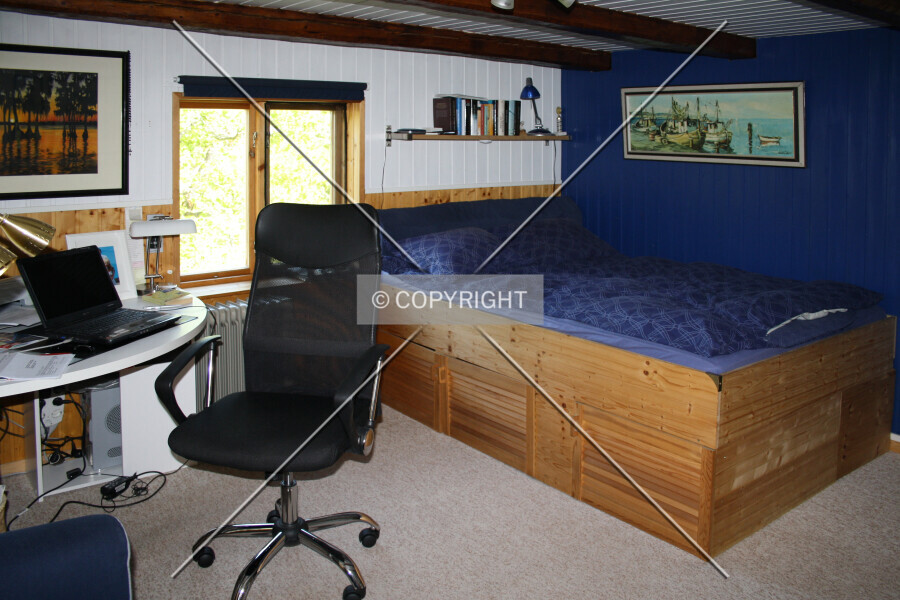
More specific definitions
20 sub-definitions-
agriculture
Spaces which service the harnessing of natural bounty, especially crops and livestock. -
education
Spaces for classroom teaching or designated academic study, excluding separate research, library, administrative, and dormitory uses. -
government
Governmental premises for public interaction and receipt of government services, excluding regular administrative offices. -
health
Space used for medical and recuperative care, or for maintenance of well-being. -
industry
Spaces associated with direct production of material goods, including manufacturing, mining, and assembly. -
infrastructure
Structures and spaces which serve basic civil functions as part of extensive built networks. -
leisure
Places used for free-time enjoyment, including cultural attractions and spaces for fun, recreation, or relaxation. -
library
A space housing a large book collection with areas for study, research, or reading, subject to the small institutional exclusions. -
lodging
Guest accommodation with housekeeping and a self-determined stay, including serviced apartments with flexible leasing. -
office
Places for desk-based work where people administer any kind of business activities. -
parking
Space for temporarily leaving automobiles and other roadworthy transport vehicles when they are not in use. -
religion
Spaces dedicated to worship, prayer, or other spiritual activities prescribed by an organized or defined religious tradition. -
research
Spaces for experimental research and scientific and technological development. -
residential
Building space used as a home by people living there on at least a semi-permanent basis. -
retail
Space used for the trading of goods and services between vendors and consumers. -
services
Space used by a business to deliver services outside a customer-facing retail setting. -
social
Areas intended to bring people together for friendly, communal, or charitable purposes. -
sports
Spaces intended for athletic performance, training, practice, exercise, or recreational sport, subject to the amenity exclusions. -
storage
Places where goods are kept while not in use, excluding shipping hubs used only for rapid transfer between route stages. -
symbolic
Objects and places intended to convey meaning or attract visual or auditory attention, including attention to themselves.
Related definitions
-
access data
Numerical data describing the limitations or parameters of access to any place. -
financial data
Data fields pertaining to costs, rents, incomes, expenses, and all other monetary measurements. -
identification
Fields which point to an object and distinguish it from others or from its context. -
lifecycle
Information describing changes and events in an object's past, present, or future existence. -
measurements
Quantitative descriptions expressed in standard units, distinct from counts of discrete objects or components. -
qualities
Predefined properties describing an object through qualitative labels, distinct from counts or measured dimensions. -
quantities
Numerical expressions of discrete objects or components expressed as a simple count or tally. -
relationships
Connections that describe how an object is associated with other objects or defined entities. -
usage level
The importance of an intended function within a place, distinguishing main purposes from subsidiary ones.