
ceramic tiles
A roof covering of baked clay or similar ceramic tiles, usually overlapping or interlocking on a sloping roof.
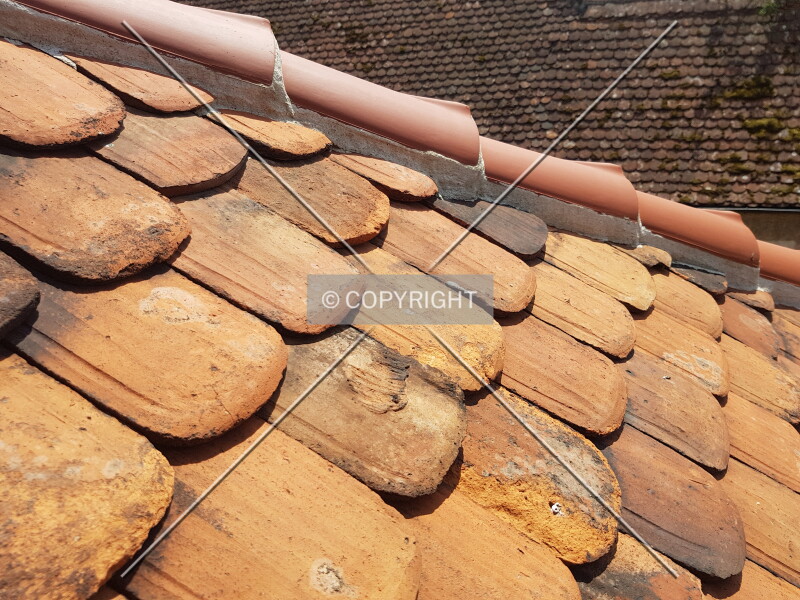
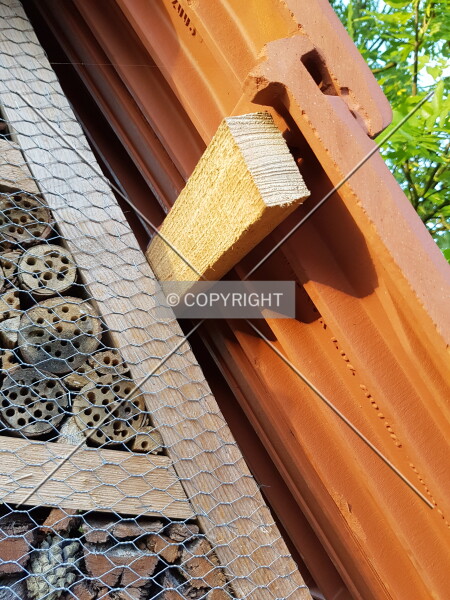
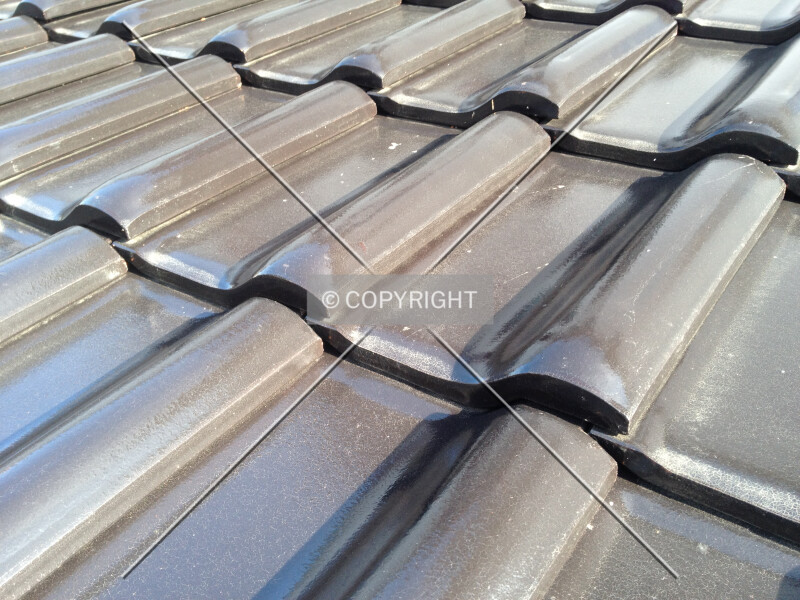
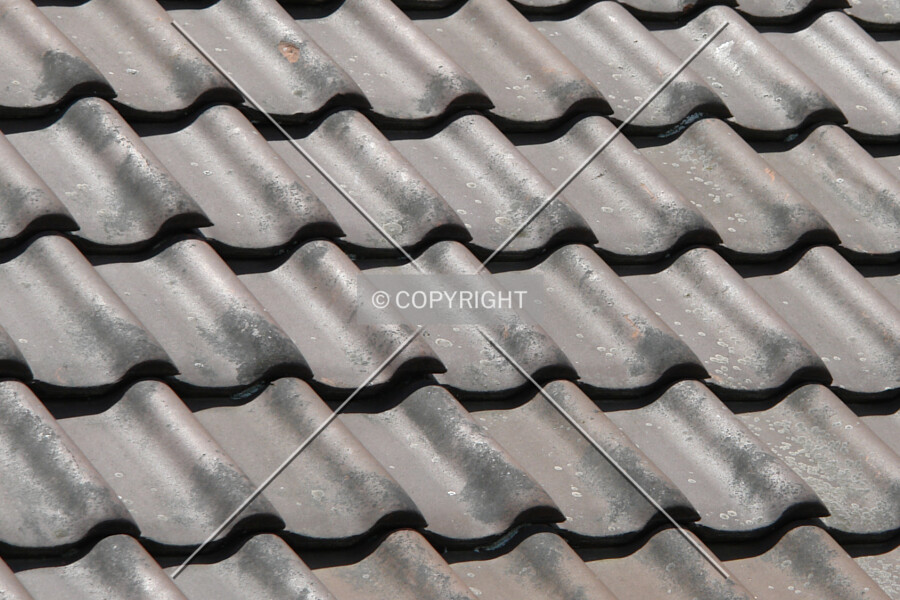
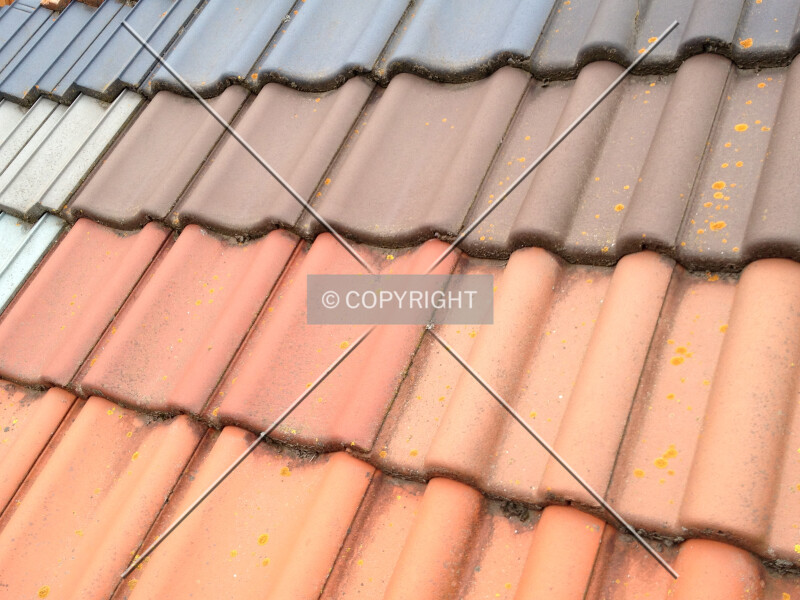
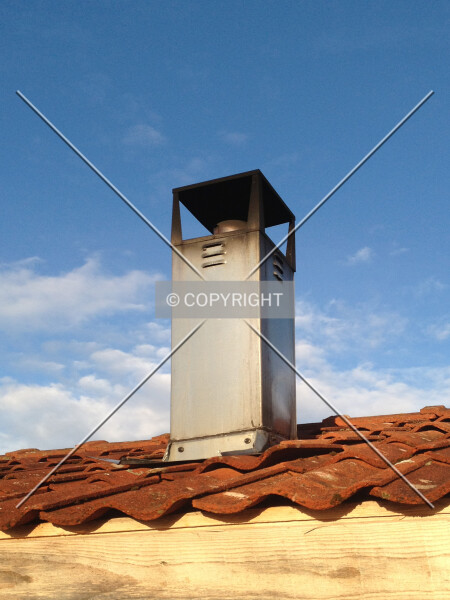
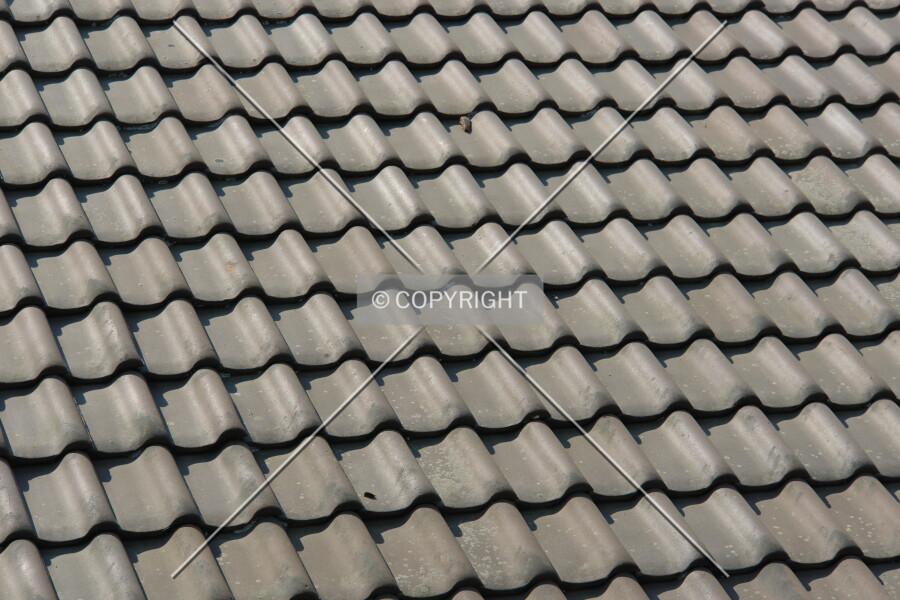
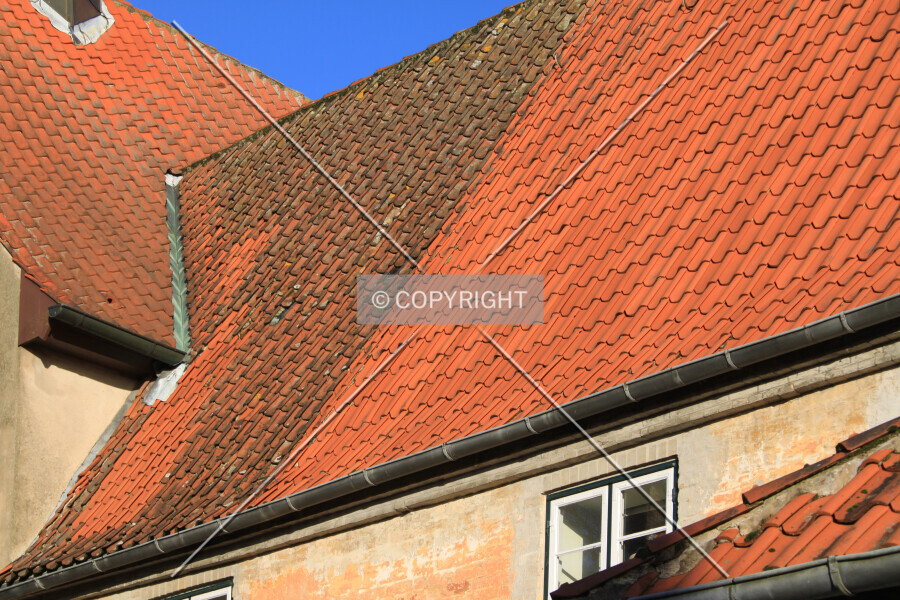
Ceramic tile roofs are made of baked clay or similar tiles, usually interlocking with each other to cover and protect the roof surface. The most common form is dark red tiles which are curved in a U-shape; these are an extremely common roofing material across much of the world, including Latin America, Europe, and Asia. Ceramic tiles are used most frequently on old buildings and on houses. They are generally used only on sloping roofs, and have a decorative, picturesque, or historicizing effect.
There are two common forms of ceramic tile roofing:
1. Imbrex and tegula - consisting of flat tiles with raised side edges (tegulae) and separate curved cover tiles (imbrices). The curved tiles cover the joints between adjacent flat tiles.
2. Monk and nun - consisting of alternating files of identical tiles, every other file upturned so that the tiles fit into each other.
ceramic tiles Photos
Related definitions
-
aluminum sheeting
A roof covering formed from large sheets or slats of aluminum, commonly interlocked along their edges. -
asbestos sheeting
A roof covering of large asbestos-containing sheets, typically asbestos cement and often corrugated. -
asbestos shingles
A roof covering of small overlapping asbestos-containing shingles, typically made from asbestos cement. -
asphalt sheeting
A roof covering of large continuous membrane sheets coated on one or both sides with asphalt or tar. -
asphalt shingles
A roof covering of small overlapping asphalt-coated units, commonly reinforced with fiberglass or organic felt. -
brick
A roof covering with an outer layer of small fired masonry blocks, usually joined by mortar. -
concrete slab
A roof covering with a continuous, exposed concrete surface formed from precast or cast-in-place concrete. -
concrete tiles
Roofing made from tile or shingles of concrete, often reinforced with fiberglass. -
copper sheeting
A roof covering of large copper sheets or slats joined together, excluding small overlapping copper shingles. -
fabric
A roof covering formed from suspended cloth or a similar flexible, tent-like sheet material. -
fiberglass sheeting
A roof covering of rigid plastic sheets or panels reinforced with glass fibers, often formed with corrugations. -
glass
Roofing made of glass, either as an opaque coating or in the form of an extended skylight. -
iron sheeting
A roof covering of large iron sheets or slats joined together, excluding small overlapping iron shingles. -
metal shingles
A roof covering of small, overlapping rolled-metal plates arranged in successive courses. -
slate
A roof covering made from pieces of natural slate split into thin sheets, usually laid in overlapping courses. -
sod
A roof covering of living grass rooted in soil, including lawns over underground buildings. -
steel sheeting
A roof covering of large steel sheets or slats joined together, often corrugated or shaped to resemble tiles. -
stone slab
A roof covering of natural stone in large slabs or masses, excluding small stone tiles and shingles. -
synthetic membrane
A roof covering formed from sheets of plastic, rubber, or similar synthetic material joined into a watertight layer. -
tar
A roof surface coated with tar, directly or on a fabric or felt carrier, with any underlying wood fully obscured. -
tar and gravel
A roof covering with gravel or small stones laid over a tar layer, commonly used on flat roofs. -
thatch
A roof covering formed from thick overlapping mats of cut grasses or other plant stalks. -
wood planks
A roof covering of wooden boards fitted together, normally in parallel, with possible overlap at their joints. -
wood shingles
A roof covering of small wooden plates laid in overlapping courses, generally on a sloping roof.